Why Iran’s religious leadership relies on popular consensus rather than a formal hierarchy
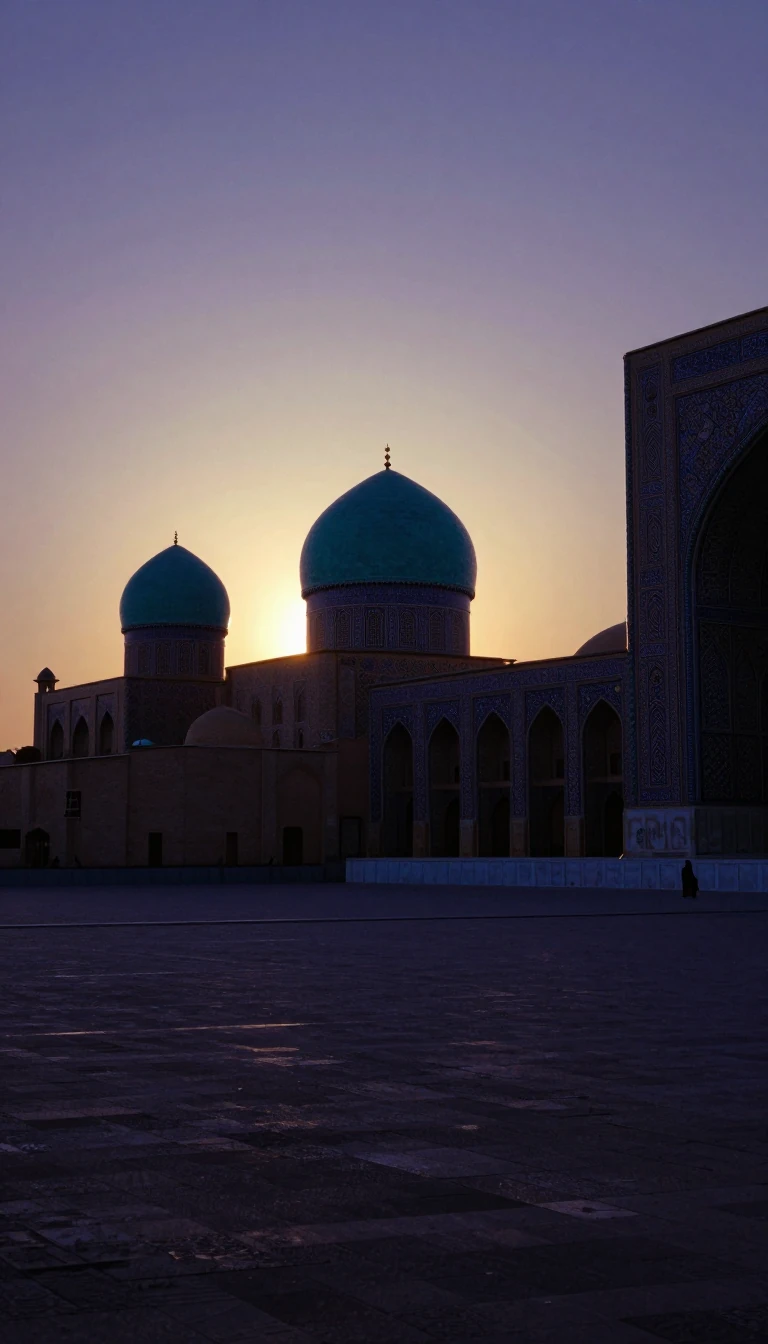
In short: In Iran, religious authority is not granted by institutional appointment but earned through scholarly reputation and public following. This unique structure, centered on the Twelver Shiʿi branch of Islam, empowers a community of scholars to act as mediators to the divine, a role that has profoundly shaped the nation's political landscape.
The vast majority of Iranians adhere to the Ithnā ʿAsharī, or Twelver, Shiʿi branch of Islam, which serves as the official state religion. Central to this faith is the belief in the return of the 12th imam, Muḥammad al-Mahdī al-Ḥujjah, and the veneration of his martyred forebears. Since the 1979 revolution, the Shiʿi clergy—the ulama—have emerged as the dominant social and political force in the country. Unlike many other religious traditions, there is no formal concept of ordination in Islam. Instead, the clergy consists of a community of scholars who attain their status through academic advancement and, crucially, the recognition of their peers and the public.
The path to becoming a recognized religious leader begins at a traditional Islamic college, or madrasah, where students study Islamic jurisprudence. A low-level clergyman is commonly known as a mullah. Those who demonstrate higher scholarly competence and gain a substantial following may be recognized as mujtahids, scholars capable of independent legal reasoning. High-ranking figures are often called ayatollah, while the most esteemed, those whose expertise is deemed worthy of emulation, are titled grand ayatollah. These titles are not awarded by a central authority but are attained through general consensus and popular appeal, reflecting the absence of a rigid religious hierarchy.
This system has elevated the role of the marjaʿ-e taqlīd, or model of emulation, whom believers follow to avoid sin. This dynamic has significantly increased the power of the ulama, positioning them as essential mediators to the divine. While the 1979 constitution recognizes Christians, Jews, and Zoroastrians as official minorities, the post-revolutionary environment has often been challenging for non-Muslims. The Bahāʾī faith, despite being founded in Iran, has faced severe persecution and remains unrecognized by the government, illustrating the complex and often fraught relationship between the state's official religious identity and its diverse minority communities.
Opens the Intellect+ feed with this card first. Swipe up for the next one.
Sources
- Summary by Intellect · source: Iran - Religion, Islam, Shia | Britannica
- Also: Religion in Iran
To cite this card, link to https://intellectplus.co.uk/app/ideas-religion-in-iran.
How we source, check and correct cards: Editorial standards.
General information, not professional advice. Spotted an error? Flag the card or see corrections and complaints.
Intellect Plus is a visual educational discovery platform for exploring fascinating facts and ideas. Brain Food, Not Brain Rot. What is Intellect Plus?
Related
More in Religion and spirituality · More in Ideas & Philosophy · Latest · A–Z · All topics
