The eighteenth-century polymath who decoded the secret lives of insects and industrial steel.
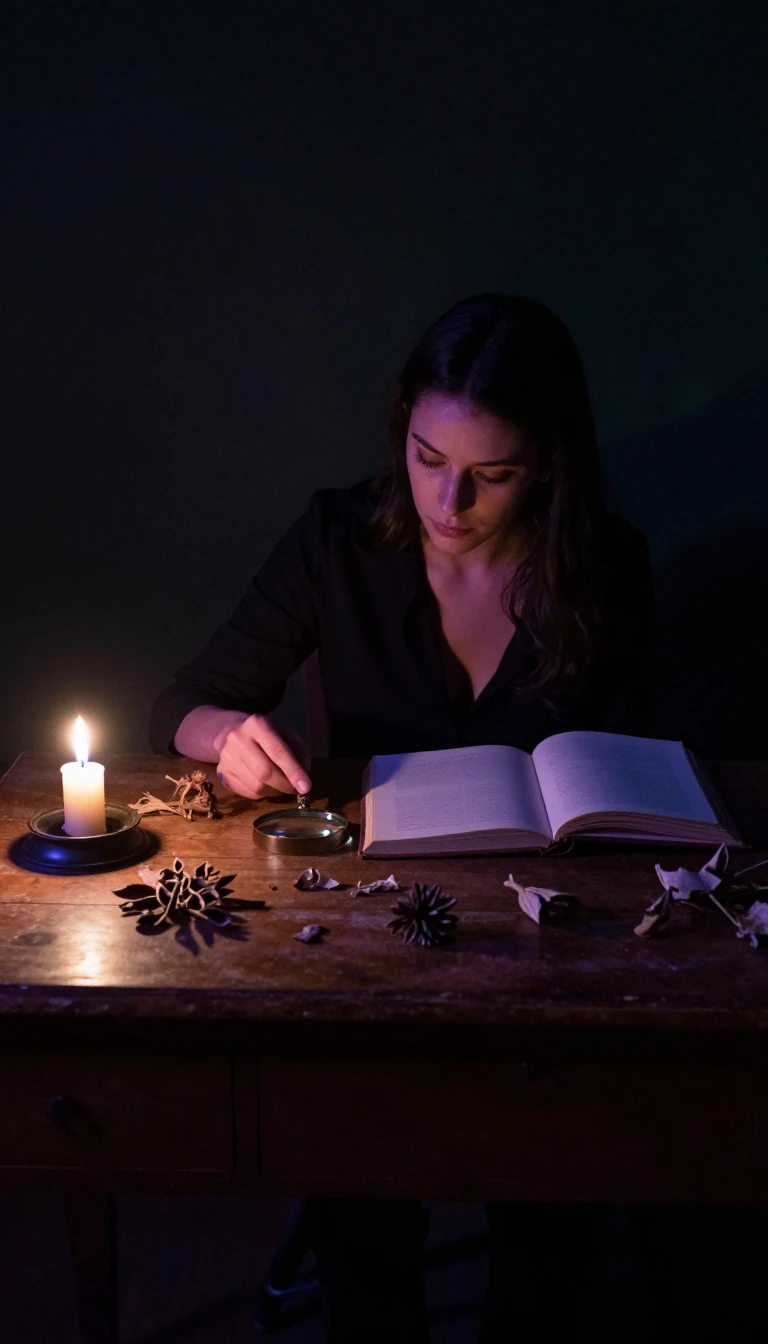
In short: René Antoine Ferchault de Réaumur was a French intellectual whose curiosity spanned from the chemical composition of steel to the social habits of wasps. Often called the Pliny of his century, he revolutionized manufacturing, pioneered artificial incubation, and laid the groundwork for modern ethology through his meticulous, patient observations.
Born in 1683 into a prominent family in La Rochelle, Réaumur was a man of immense intellectual breadth. By 1708, he had been elected to the Académie des Sciences, beginning a half-century of prolific scientific output. His work was not confined to a single discipline; he moved fluidly between geometry, meteorology, and natural history. His peers held him in such high regard that his friends dubbed him the Pliny of the 18th century, a testament to his encyclopedic approach to the natural world.
His contributions to industry were as significant as his biological research. In 1710, he took charge of a government project to revive French manufacturing, leading to innovations in metallurgy. He correctly identified that carbon content dictates the properties of iron and steel, a discovery detailed in his 1722 book. Remarkably, when awarded a pension of 12,000 livres for his metallurgical discoveries, he requested the funds be redirected to the Académie des Sciences to support further industrial experimentation.
In the biological sciences, Réaumur was a pioneer of patient, systematic observation. His six-volume work on insects, published between 1734 and 1742, remains a marvel of accuracy. He was among the first to suggest that wasps create paper from wood fibers—a precursor to industrial paper-making—and he proved that corals are animals rather than plants. His interest in the growth rates of insect populations led him to conclude that natural checks must exist to prevent theoretical geometric population explosions.
Réaumur’s life ended in 1757 following a fall from a horse at his country estate, La Bermondière. He left behind 138 portfolios of manuscripts and extensive natural history collections. Today, he is remembered not only for the temperature scale that bears his name but for his foundational role in ethology and his enduring influence on the study of the natural world.
Opens the Intellect+ feed with this card first. Swipe up for the next one.
Sources
- Summary by Intellect · source: René Antoine Ferchault de Réaumur
To cite this card, link to https://intellectplus.co.uk/app/ideas-ren-antoine-ferchault-de-r-aumur.
How we source, check and correct cards: Editorial standards.
General information, not professional advice. Spotted an error? Flag the card or see corrections and complaints.
Intellect Plus is a visual educational discovery platform for exploring fascinating facts and ideas. Brain Food, Not Brain Rot. What is Intellect Plus?
Related
More in Philosophers · More in Ideas & Philosophy · Latest · A–Z · All topics
