René Dubos: The Scientist Who Taught Us to Think Globally and Act Locally
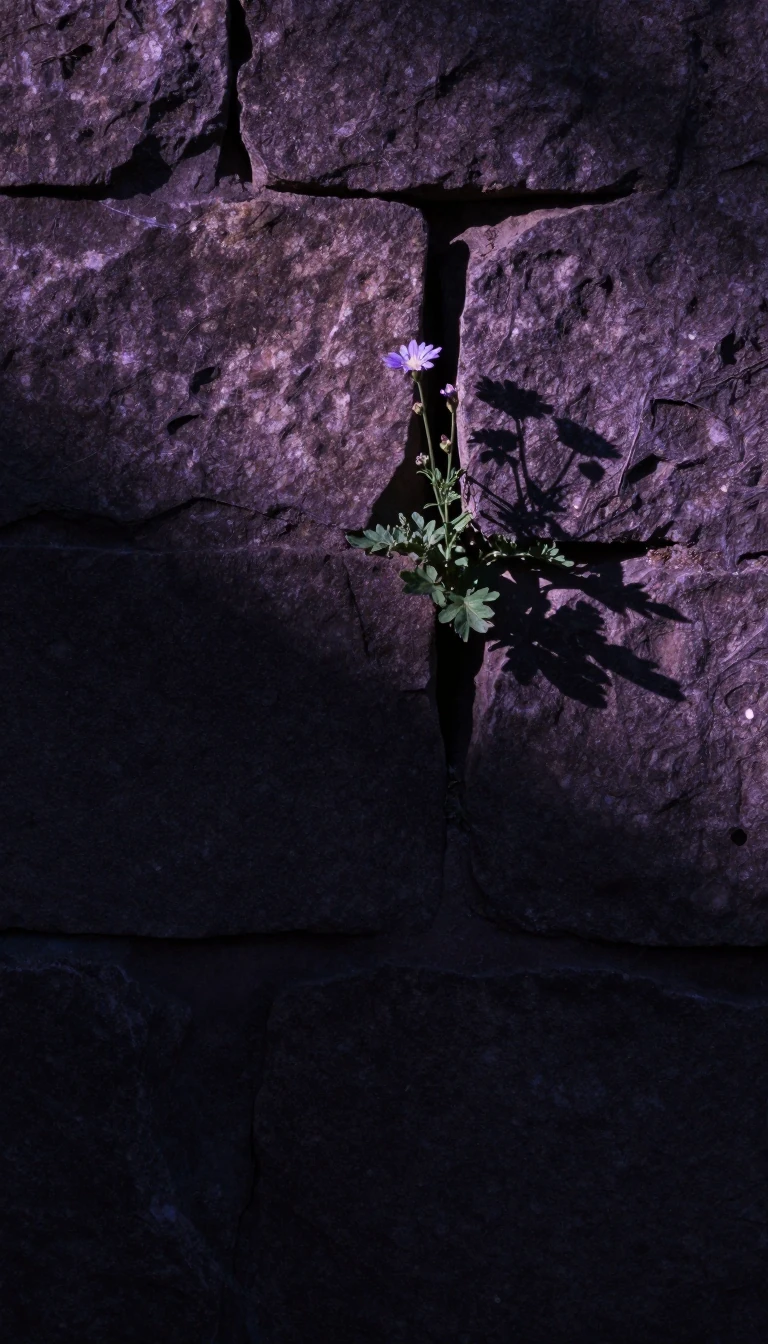
In short: Before he became a celebrated environmentalist, René Dubos was a pioneering microbiologist who discovered the first modern antibiotics in soil. His career spanned from isolating life-saving compounds to shaping global ecological policy, proving that our greatest challenges are best understood through the lens of our immediate, local surroundings.
Born in 1901 in France, René Dubos began his scientific journey at The Rockefeller Institute in 1927. Working under Oswald Avery, he sought microbes capable of breaking down bacterial capsules, mirroring how soil bacteria decompose organic matter. By 1939, he successfully isolated tyrothricin and gramicidin from Bacillus brevis. These substances were among the first antibiotics, yet Dubos was remarkably prescient, warning as early as 1942 that bacterial resistance to such treatments was an inevitable consequence of their use.
Dubos eventually shifted his focus from the laboratory to the broader interplay between human health and the environment. His 1968 book, So Human An Animal, earned him a Pulitzer Prize and solidified his reputation as a humanist thinker. He argued that human progress is not a linear march but a complex negotiation with nature. He believed that because human life is resilient, we possess the capacity to learn from past environmental errors and steer our social evolution toward a more balanced, sustainable future.
Today, Dubos is most famous for the maxim 'Think globally, act locally,' a phrase that emerged in the late 1970s. This philosophy suggests that global environmental crises are essentially collections of local issues, requiring solutions tailored to specific cultural, climatic, and physical contexts. He maintained that ecological consciousness must start at home, advocating for a world where distinct social units maintain their unique identities while communicating within a larger, interconnected system. Even after his death in 1982, his approach remains a cornerstone of environmental thought, emphasizing that meaningful change is rooted in the specificities of our own backyards.
Opens the Intellect+ feed with this card first. Swipe up for the next one.
Sources
- Summary by Intellect · source: René Dubos
To cite this card, link to https://intellectplus.co.uk/app/ideas-ren-dubos.
How we source, check and correct cards: Editorial standards.
General information, not professional advice. Spotted an error? Flag the card or see corrections and complaints.
Intellect Plus is a visual educational discovery platform for exploring fascinating facts and ideas. Brain Food, Not Brain Rot. What is Intellect Plus?
Related
More in Philosophers · More in Ideas & Philosophy · Latest · A–Z · All topics
