The ghostwriter behind the world's most famous operetta never met his co-author
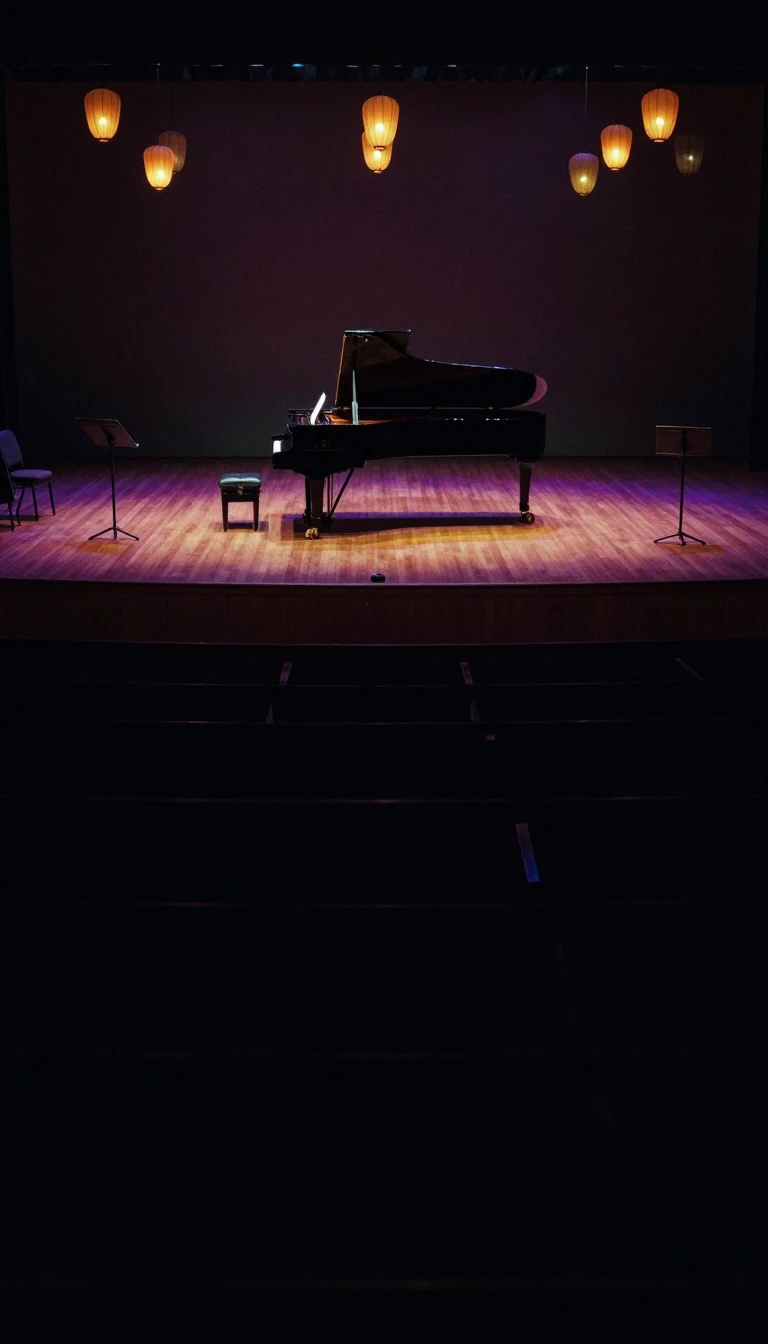
In short: Richard Genée was the engine of 19th-century operetta, yet his most celebrated work, Die Fledermaus, was born from a strange collaboration. He wrote the actual text while his top-billed partner, Karl Haffner, provided only character names. Genée’s influence extended from the stage to the chess board, shaping European musical history.
Born in Danzig in 1823, Franz Friedrich Richard Genée became a central figure in the Austrian operetta scene. Though he held roles as a conductor, such as his 1857 tenure with the Philharmonic Orchestra Mainz, his legacy is defined by his prolific output as a librettist and composer. He worked extensively with collaborators like Camillo Walzel, who wrote under the pseudonym Friedrich Zell, to produce dozens of operettas throughout the late 19th century.
His most enduring contribution remains the libretto for Johann Strauss II’s Die Fledermaus. The project was marked by a peculiar division of labor: while Karl Haffner was credited for constructing the story—which was adapted from a play by Henri Meilhac and Ludovic Halévy—Genée never actually met him. Genée disregarded Haffner’s structural work, writing the entire text himself and retaining only the character names. This creative independence allowed Genée to shape the operetta into a masterpiece that would later inspire numerous film adaptations across Germany, France, and the UK.
Genée’s creative reach was surprisingly eclectic. In 1876, he composed the operetta Der Seekadett, which featured a chess game in its second act. This inclusion was so notable that the operetta lent its name to a specific chess opening trap, the Seekadettenmatt, now commonly known in English as the Légal Trap. Beyond the stage, he experimented with musical form, such as in his work Insalata Italiana, where he set Italian musical expressions to music according to their literal meanings.
By the time of his death in 1895 in Baden bei Wien, Genée had cemented his status as a titan of the genre. His collaborations with composers like Franz von Suppé, Carl Millöcker, and Carl Zeller ensured his influence permeated the era's light opera. From the enduring popularity of Der Bettelstudent to his innovative approach to musical composition, Genée remains a pivotal, if often overlooked, architect of the operetta tradition.
Opens the Intellect+ feed with this card first. Swipe up for the next one.
Sources
- Summary by Intellect · source: Richard Genée
To cite this card, link to https://intellectplus.co.uk/app/ideas-richard-gen-e.
How we source, check and correct cards: Editorial standards.
General information, not professional advice. Spotted an error? Flag the card or see corrections and complaints.
Intellect Plus is a visual educational discovery platform for exploring fascinating facts and ideas. Brain Food, Not Brain Rot. What is Intellect Plus?
Related
More in Writers · More in Ideas & Philosophy · Latest · A–Z · All topics
