How a nineteenth-century poet became the enduring face of Galician identity and culture.
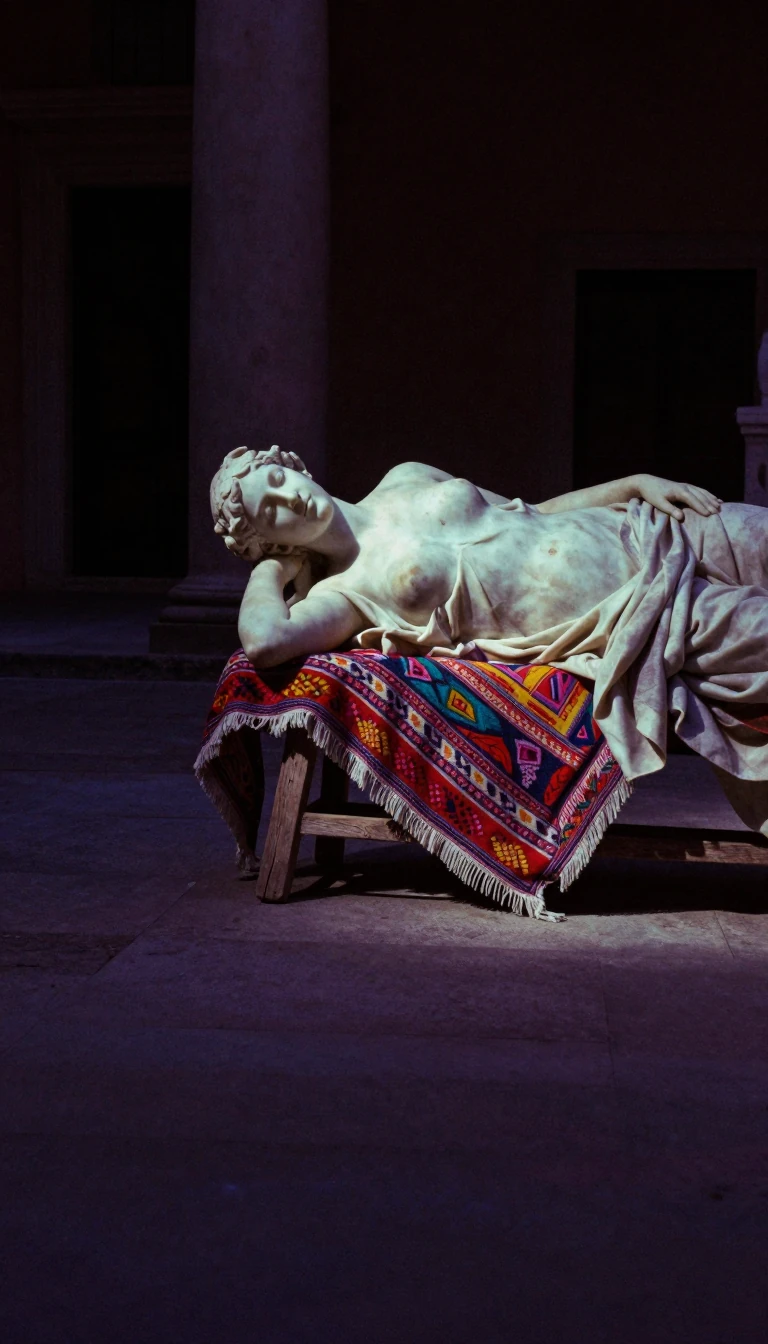
In short: Rosalía de Castro transformed Galician literature, defying those who dismissed her language as fit only for the illiterate. Today, she is a global icon, honored on banknotes, airplanes, and even a star in the night sky. Her life was marked by sorrow, yet her voice remains a powerful symbol of resilience.
Born in 1837, Rosalía de Castro emerged as a central figure of the Rexurdimento, or Galician Renaissance. Writing in both Galician and Spanish, she infused her work with saudade—a profound, melancholic longing. Her decision to write in Galician was a radical act of defiance against contemporary critics who viewed the language as a crude dialect. By elevating the vernacular, she became the greatest cultural icon of Galicia, challenging the traditional archetype of the female writer while advocating for the defenseless and women's rights.
Her personal life was defined by relative poverty and significant tragedy. She and her husband, Manuel Murguía, had seven children, but the family line ended with them as none of their descendants survived. Despite her struggles, her influence grew exponentially after her death from uterine cancer in 1885. She was laid to rest in the Panteón de Galegos Ilustres in Santiago de Compostela, a testament to her status as the poet laureate of her homeland.
The reach of her legacy is vast and global. Since 1963, May 17—the anniversary of the 1863 publication of her seminal collection Cantares gallegos—has been celebrated as Día das Letras Galegas. Her name adorns schools, parks, and streets from Russia to Uruguay. She even broke barriers in finance; in 1979, she became the only non-allegorical woman to appear on the obverse of a Spanish banknote. Her reach now extends beyond Earth, with the International Astronomical Union naming a star in her honor in 2019.
Today, her work continues to resonate through translations and musical adaptations by composers like Osvaldo Golijov. While her life was marked by sadness, her commitment to Galician identity ensured that her voice would transcend her time. She remains a symbol of cultural pride, proving that a language once deemed unworthy could become the foundation of a nation's soul.
Opens the Intellect+ feed with this card first. Swipe up for the next one.
Sources
- Summary by Intellect · source: Rosalía de Castro
To cite this card, link to https://intellectplus.co.uk/app/ideas-rosal-a-de-castro.
How we source, check and correct cards: Editorial standards.
General information, not professional advice. Spotted an error? Flag the card or see corrections and complaints.
Intellect Plus is a visual educational discovery platform for exploring fascinating facts and ideas. Brain Food, Not Brain Rot. What is Intellect Plus?
Related
More in Writers · More in Ideas & Philosophy · Latest · A–Z · All topics
