Russian cosmism was a radical movement aiming to conquer death and colonize the stars.
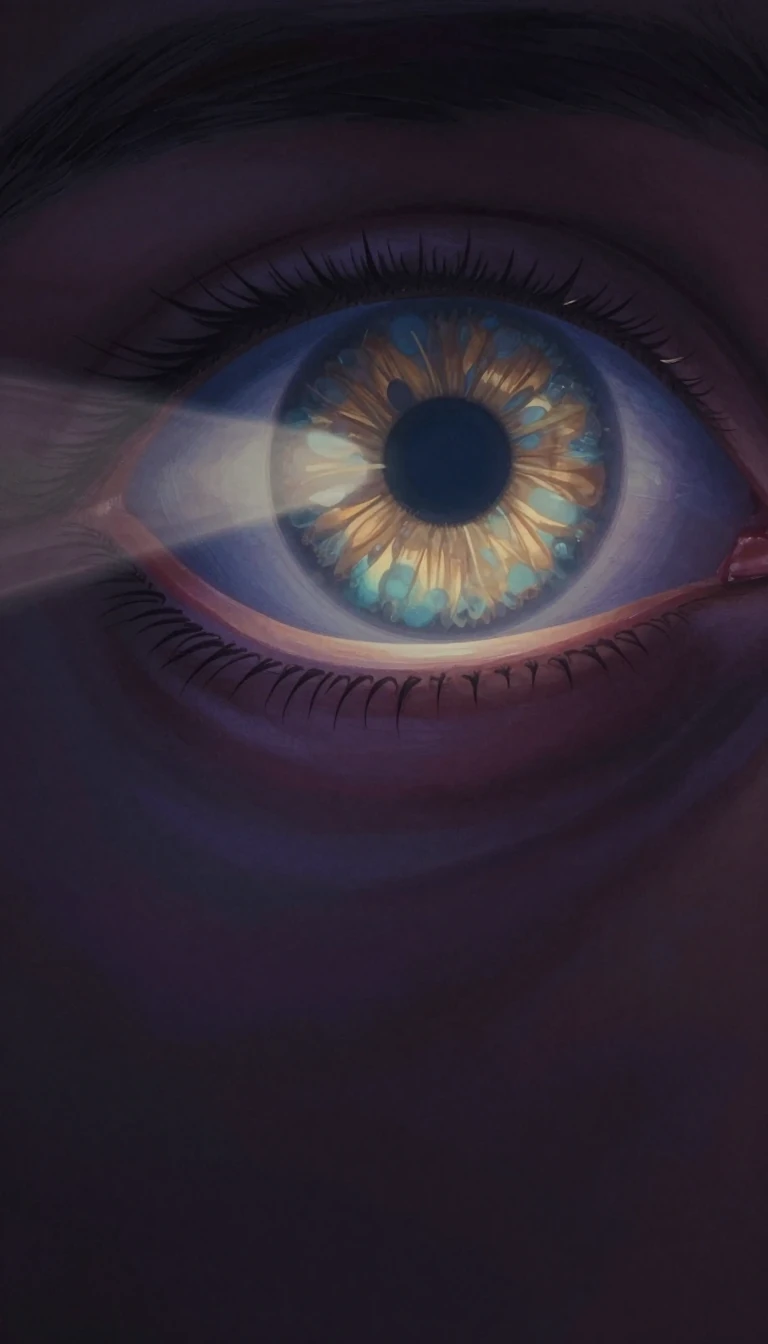
In short: Emerging in late 19th-century Russia, cosmism fused science, religion, and metaphysics into a singular, ambitious worldview. Its proponents sought to use technology to achieve immortality, resurrect the dead, and expand humanity into the cosmos. This movement profoundly shaped early space exploration and continues to influence modern transhumanist thought today.
At the heart of Russian cosmism lies the philosophy of the Common Task, pioneered by Nikolai Fyodorov. He argued that humanity has an ethical duty to move beyond merely exploiting nature, instead choosing to regulate its forces to defeat death and resurrect ancestors. This vision was not merely abstract; it demanded a unified humanity capable of governing the universe. While Fyodorov provided the philosophical foundation, others translated these ideas into scientific and artistic pursuits, viewing space as a realm of infinite resources and potential immortality.
The movement branched into scientific, philosophical, and artistic domains. Konstantin Tsiolkovsky, a pioneer of theoretical astronautics, laid the groundwork for modern space travel, imagining a future where humans colonize the Milky Way. Others, like Alexander Bogdanov, explored biological rejuvenation through blood transfusions, reflecting the movement's intense focus on overcoming human limitations. Meanwhile, artists like Alexander Scriabin sought to realize these cosmic goals through immersive projects like his Mysterium, aiming to unite humanity through shared spiritual and artistic experiences.
Though the movement faced suppression during the Soviet era—with many members executed or imprisoned under Stalin in the 1930s—its influence persisted. It left a lasting mark on Soviet space exploration and inspired later thinkers in fields ranging from heliobiology to transhumanism. Today, the movement is experiencing a resurgence of interest. As contemporary discussions on space colonization and technological immortality gain momentum, the radical, biopolitical visions of the Russian cosmists appear newly relevant, bridging the gap between historical philosophy and the future of human evolution in the Solar System.
Opens the Intellect+ feed with this card first. Swipe up for the next one.
Sources
- Summary by Intellect · source: Russian cosmism
- Also: Russian Cosmism
To cite this card, link to https://intellectplus.co.uk/app/ideas-russian-cosmism.
How we source, check and correct cards: Editorial standards.
General information, not professional advice. Spotted an error? Flag the card or see corrections and complaints.
Intellect Plus is a visual educational discovery platform for exploring fascinating facts and ideas. Brain Food, Not Brain Rot. What is Intellect Plus?
Related
More in Philosophy · More in Ideas & Philosophy · Latest · A–Z · All topics
