The Russian nobility was not a static caste but a fluid, state-manufactured social project.
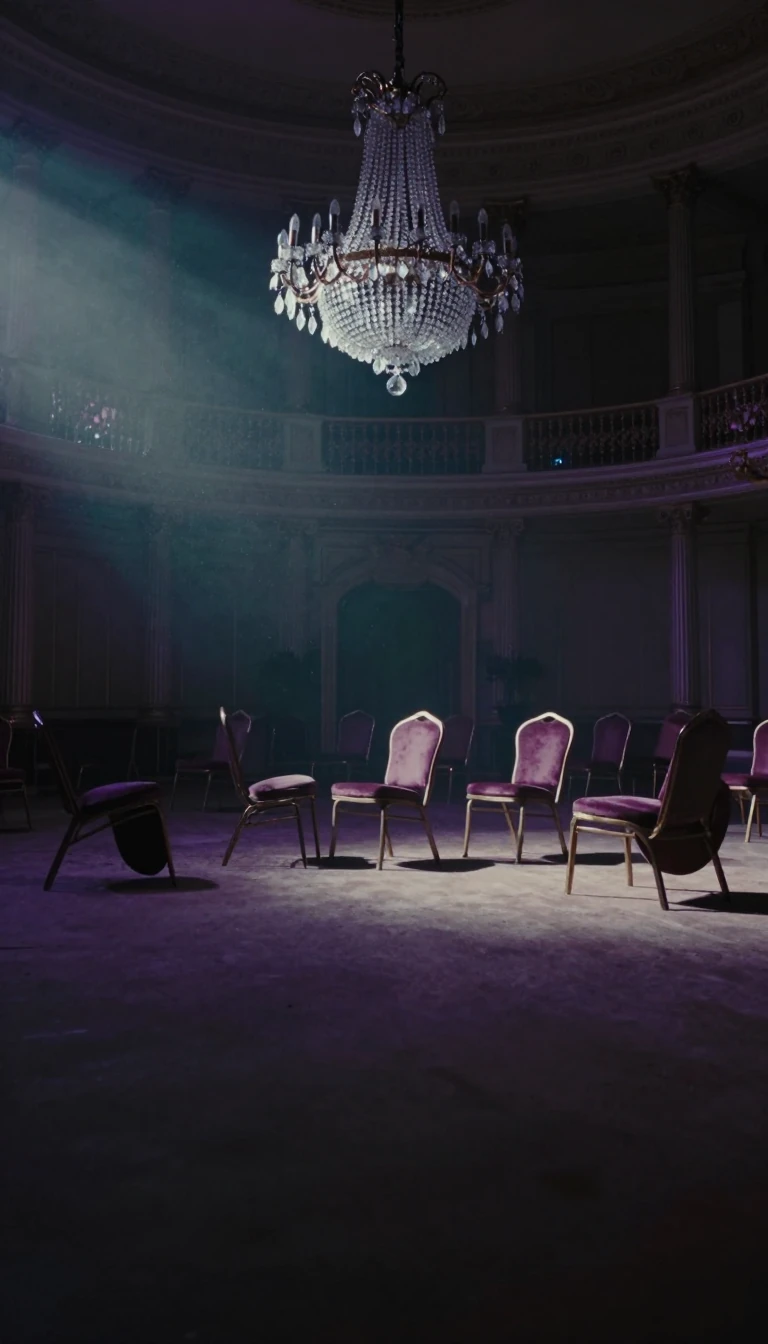
In short: Far from a rigid hereditary elite, the Russian nobility was a dynamic, state-engineered class. By the 19th century, commoners frequently ascended into its ranks, while ancient aristocratic families saw their status vanish. This evolving social category was ultimately dismantled by the Bolsheviks, forcing a global diaspora of former elites.
The Russian nobility, or dvoryanstvo, originated in the Middle Ages as a military class serving princes. By the 18th century, Peter the Great had transformed this status into a formal, state-regulated institution. He abolished the boyar title and used the Table of Ranks to integrate commoners into the nobility, effectively creating a 'new race' of elites designed to mirror Western European customs. This westernization, while often superficial and confined to the imperial court, was enforced through strict dress codes, beard taxes, and mandatory foreign education.
The nobility’s power was inextricably linked to land ownership and serfdom. However, the class was inherently unstable. The lack of primogeniture laws led to the fragmentation of estates, and by the 19th century, many noble families faced financial ruin due to poor management and extravagance. The 1861 Emancipation reform further eroded their economic base, as nobles lost their exclusive control over local government and saw their landholdings steadily sold off to the peasantry. By 1914, the nobility comprised about 1.9 million people, or 1.38% of the population, yet their influence was already in steep decline.
The October Revolution of 1917 marked the final collapse of the nobility as a legal class. While high-ranking aristocrats fled as 'White émigrés' to cities like Paris and New York, many lower-ranking nobles remained in the Soviet Union. Some adapted to the new regime, serving as civil servants or even joining the Bolshevik leadership. Today, the legacy of this once-dominant class persists through global nobility associations and the descendants of those who survived the purges and the transition to Soviet rule.
Opens the Intellect+ feed with this card first. Swipe up for the next one.
Sources
- Summary by Intellect · source: Russian nobility
To cite this card, link to https://intellectplus.co.uk/app/ideas-russian-nobility.
How we source, check and correct cards: Editorial standards.
General information, not professional advice. Spotted an error? Flag the card or see corrections and complaints.
Intellect Plus is a visual educational discovery platform for exploring fascinating facts and ideas. Brain Food, Not Brain Rot. What is Intellect Plus?
Related
More in Writers · More in Ideas & Philosophy · Latest · A–Z · All topics
