The underground art of self-publishing to evade the KGB
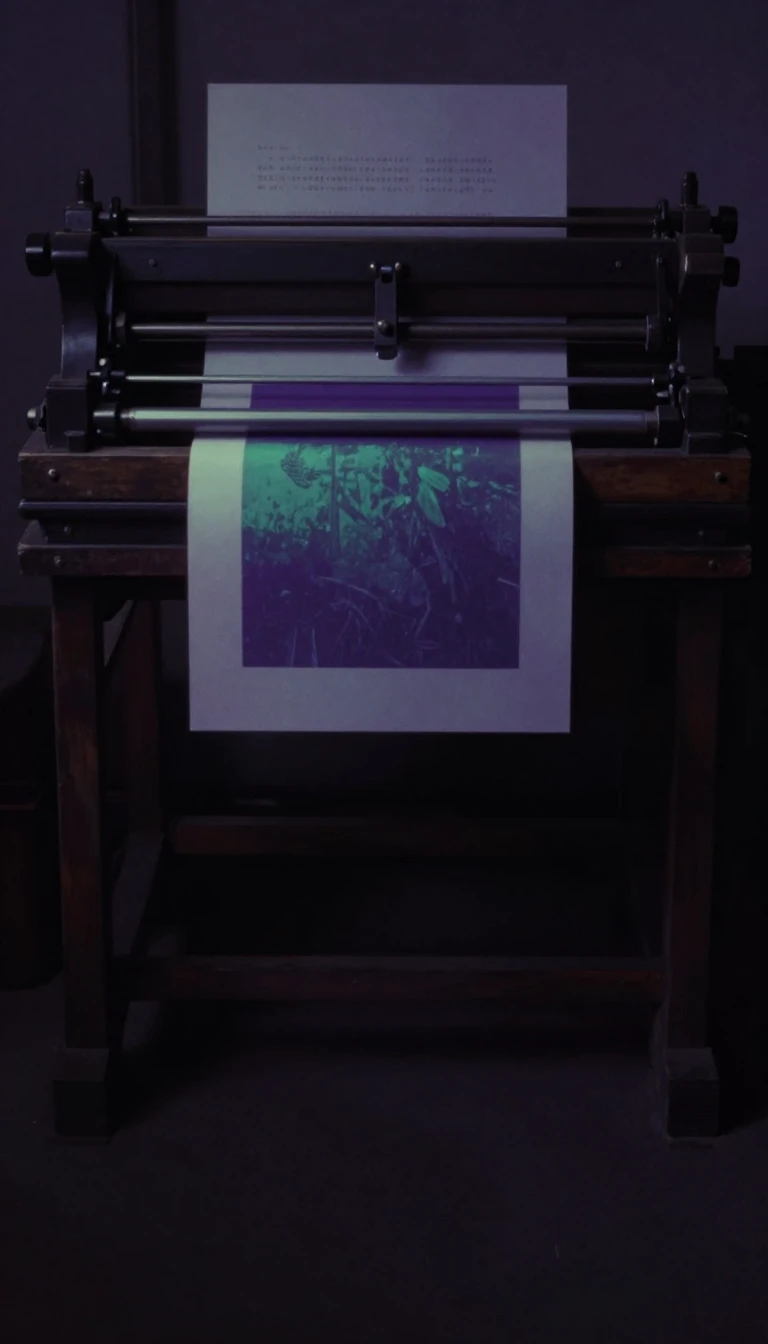
In short: In the Soviet Union, a typewriter was a weapon of mass communication. To avoid detection, dissidents created 'samizdat'—hand-typed, blurry, and intentionally inconspicuous documents passed through trusted networks to bypass a state that monitored even the typeface of every office machine.
Samizdat, meaning 'self-published,' was a grassroots phenomenon used to circumvent official Soviet censorship. Because the KGB's Fifth Directorate and Agitprop Department required authorization for photocopiers, individuals relied on privately owned typewriters. This was a necessity of survival: the authorities even required businesses to submit samples of their typewriter fonts to local KGB branches to trace illegal printed materials back to their source.
The physical nature of these texts became a symbol of resistance. Unlike the smooth, polished publications from state-controlled presses, samizdat was often wrinkled, error-strewn, and typed on inexpensive carbon or tissue paper to remain easy to conceal. Over time, the Soviet intelligentsia began to prize this ragged aesthetic, viewing the very form of the document as a testament to the resourcefulness and rebellious spirit of the people.
While the movement began with literary focuses—such as the underground circulation of Boris Pasternak's 1957 novel *Doctor Zhivago*—it evolved into a complex political landscape. By the 1970s and 80s, the content shifted toward human rights, religious expression, and intense political debate. While some authors promoted democratic reforms, others held socialist or Slavophile views, even advocating for a return to Russian autocracy and Orthodoxy.
The scale of the movement was significant yet clandestine. While the general public often lacked access to expensive texts, the circulation reached an average of approximately 200,000 readers, many of whom held positions of cultural power. This network included not only dissidents but also government officials who read the underground press to understand the very information they were tasked with censoring.
Opens the Intellect+ feed with this card first. Swipe up for the next one.
Sources
- Summary by Intellect · source: Samizdat
To cite this card, link to https://intellectplus.co.uk/app/ideas-samizdat.
How we source, check and correct cards: Editorial standards.
General information, not professional advice. Spotted an error? Flag the card or see corrections and complaints.
Intellect Plus is a visual educational discovery platform for exploring fascinating facts and ideas. Brain Food, Not Brain Rot. What is Intellect Plus?
Related
More in Philosophers · More in Ideas & Philosophy · Latest · A–Z · All topics
