How the Soviet state used censorship to rewrite history and control every citizen's mind.
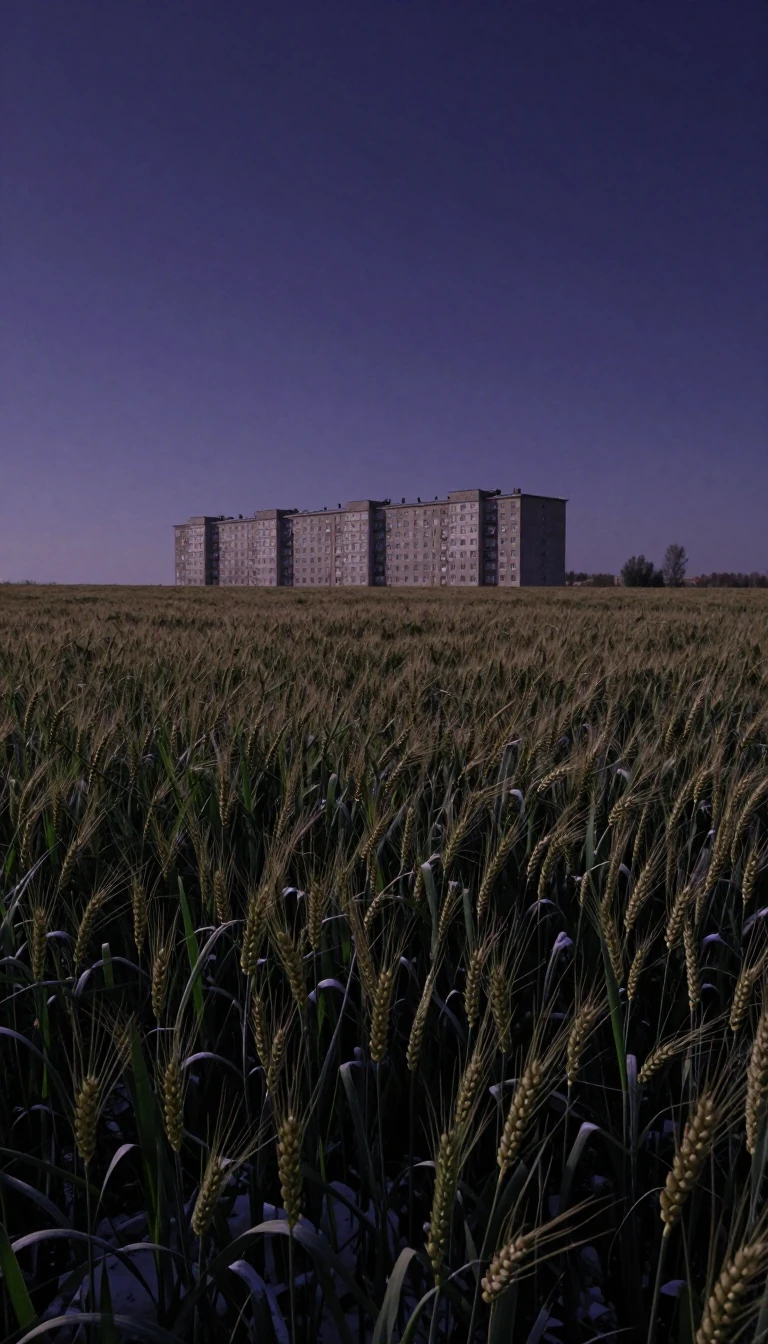
In short: In the Soviet Union, censorship was not merely about removing forbidden words; it was a totalizing project to engineer reality. From airbrushing purged officials out of photographs to jamming foreign radio signals for sixty years, the state maintained a grip on information that dictated everything from literature to personal identity.
The Soviet censorship apparatus was pervasive, managed by specialized agencies like Glavlit, which oversaw state secrets, and Goskomizdat, which controlled all printed matter. This system was designed to enforce the official ideology of the Communist Party, ensuring that art, literature, and media served as tools for propaganda. Under the doctrine of socialist realism, creative works were expected to portray the Soviet Union positively while vilifying capitalist nations and suppressing any depiction of domestic hardship, such as food shortages or military failures.
Control extended far beyond simple editing. The state routinely falsified history to suit shifting political needs. Following the 1953 arrest of Lavrentiy Beria, subscribers to the Great Soviet Encyclopedia were instructed to replace pages containing his biography with expanded information on George Berkeley. Similarly, historical figures like Trotsky and Zinoviev were retrospectively branded as foreign spies in official texts, while Stalin was elevated to the role of chief revolutionary discipline. Libraries were purged of politically incorrect material, with restricted items relegated to special collections accessible only by KGB permit.
To circumvent these controls, citizens developed ingenious methods of resistance. Samizdat, or self-published underground literature, became a vital channel for information, despite the severe risk of persecution. Others employed the 'dog method,' intentionally inserting an absurd or offensive scene into a work to distract censors; once the censors demanded the removal of that specific 'distraction,' they often left the remainder of the work untouched. Despite these efforts, the state maintained its dominance through the total ownership of all production and distribution facilities, ensuring that every writer, artist, and broadcaster was ultimately a state employee.
The intensity of censorship fluctuated over time, peaking under Stalin, who personally micro-managed film productions. The post-Stalin 'Khrushchev Thaw' brought a temporary loosening of restrictions, yet censorship remained a defining feature of Soviet life until the end of the Cold War. By controlling the flow of information, the state aimed to prevent citizens from being misled, effectively creating a closed loop where the only permitted reality was the one sanctioned by the party.
Opens the Intellect+ feed with this card first. Swipe up for the next one.
Sources
- Summary by Intellect · source: Censorship in the Soviet Union
- Also: www.britannica.com — How did the Soviet Union use censorship to control news media and literature? | Britannica
To cite this card, link to https://intellectplus.co.uk/app/science-censorship-in-the-soviet-union.
How we source, check and correct cards: Editorial standards.
General information, not professional advice. Spotted an error? Flag the card or see corrections and complaints.
Intellect Plus is a visual educational discovery platform for exploring fascinating facts and ideas. Brain Food, Not Brain Rot. What is Intellect Plus?
Related
More in Mathematicians · More in Science · Latest · A–Z · All topics
