The Second Temple era was not a monolith but a crucible of competing identities.
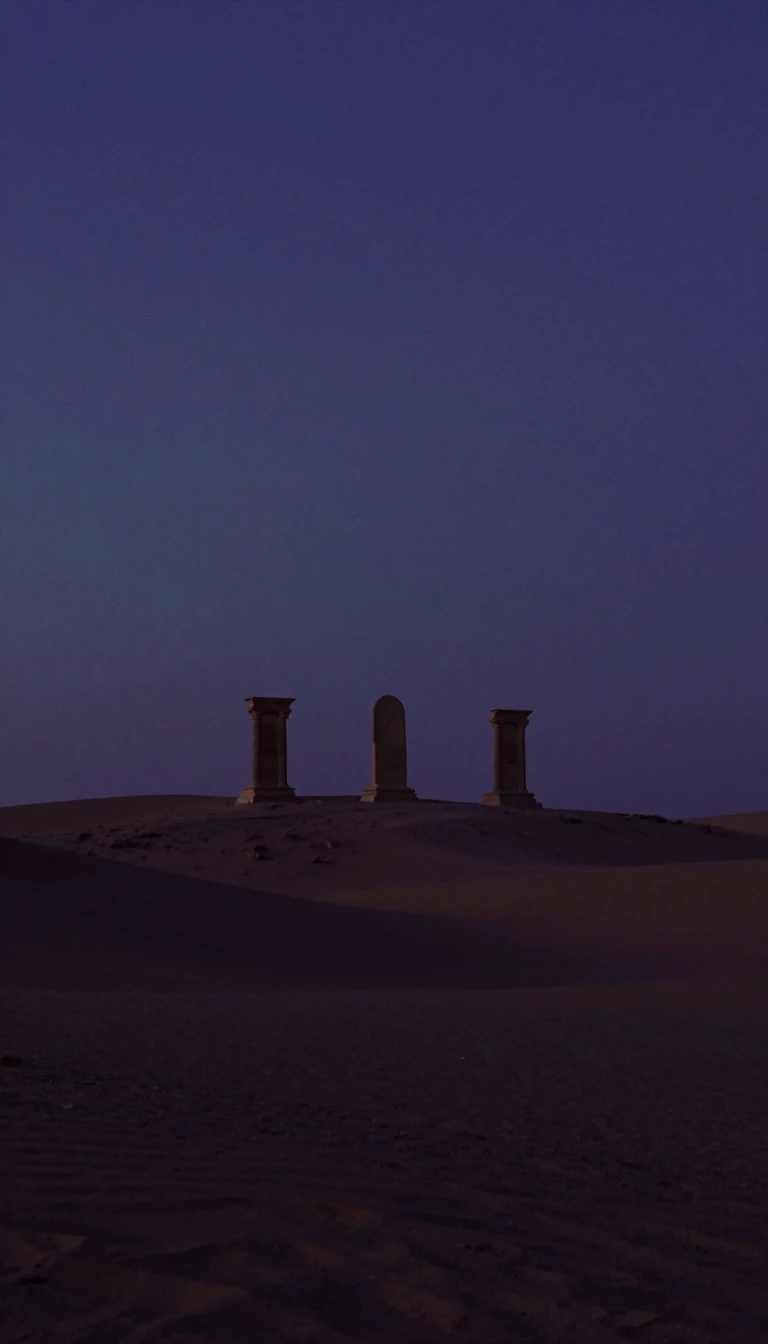
In short: Far from a uniform religious practice, the Second Temple period was a volatile era of sectarian rivalry, Hellenistic tension, and radical theological innovation. From the rise of the Pharisees to the influence of Idumean culture, this formative epoch redefined Jewish identity and laid the foundations for both Rabbinic Judaism and Christianity.
Spanning from the construction of the Second Temple around 516 BCE to its destruction by the Roman general Titus in 70 CE, this period marked a profound shift in Jewish life. Following the Babylonian exile, the returnees emphasized strict monotheism and genealogical purity, moving away from the polytheistic traditions of the pre-exilic era. As the monarchy faded, the priesthood gained unprecedented independence, effectively turning the province of Yehud into a theocracy under the High Priest, though their actual autonomy remained limited under successive Persian, Hellenistic, and Roman rulers.
The era was defined by the emergence of distinct schools of thought. The Pharisees, who eventually became the dominant force, valued both the Written Torah and ancestral traditions, while the aristocratic Sadducees rejected the resurrection of the dead. Meanwhile, the Essenes criticized the Temple rituals as flawed, and the Zealots maintained xenophobic stances. These groups often clashed over the integration of gentiles and the definition of Jewishness itself. The Hasmonean dynasty, which rose after the Maccabean Revolt against the Seleucid Empire, further complicated these dynamics by blurring lines between political and religious authority, even incorporating Idumean cultural practices like ritual immersion into the broader Jewish experience.
The period was also a literary and theological turning point. The Hebrew Bible was largely assembled and edited to reflect the challenges of the Persian era, and new concepts like messianism began to take root. Even the daily life of the Temple was a highly choreographed liturgical cycle, where priests performed sacrifices intended to erase sins. When the Roman army destroyed the Temple in 70 CE, the religion underwent a radical transformation. Sectarianism vanished, and the focus shifted from animal sacrifice to Torah study and ethical deeds, cementing the transition toward the Rabbinic Judaism that has persisted since late antiquity.
Opens the Intellect+ feed with this card first. Swipe up for the next one.
Sources
- Summary by Intellect · source: Second Temple Judaism
To cite this card, link to https://intellectplus.co.uk/app/ideas-second-temple-judaism.
How we source, check and correct cards: Editorial standards.
General information, not professional advice. Spotted an error? Flag the card or see corrections and complaints.
Intellect Plus is a visual educational discovery platform for exploring fascinating facts and ideas. Brain Food, Not Brain Rot. What is Intellect Plus?
Related
More in Religious figures · More in Ideas & Philosophy · Latest · A–Z · All topics
