Why ancient cultures looked at the night sky and saw exactly seven heavens
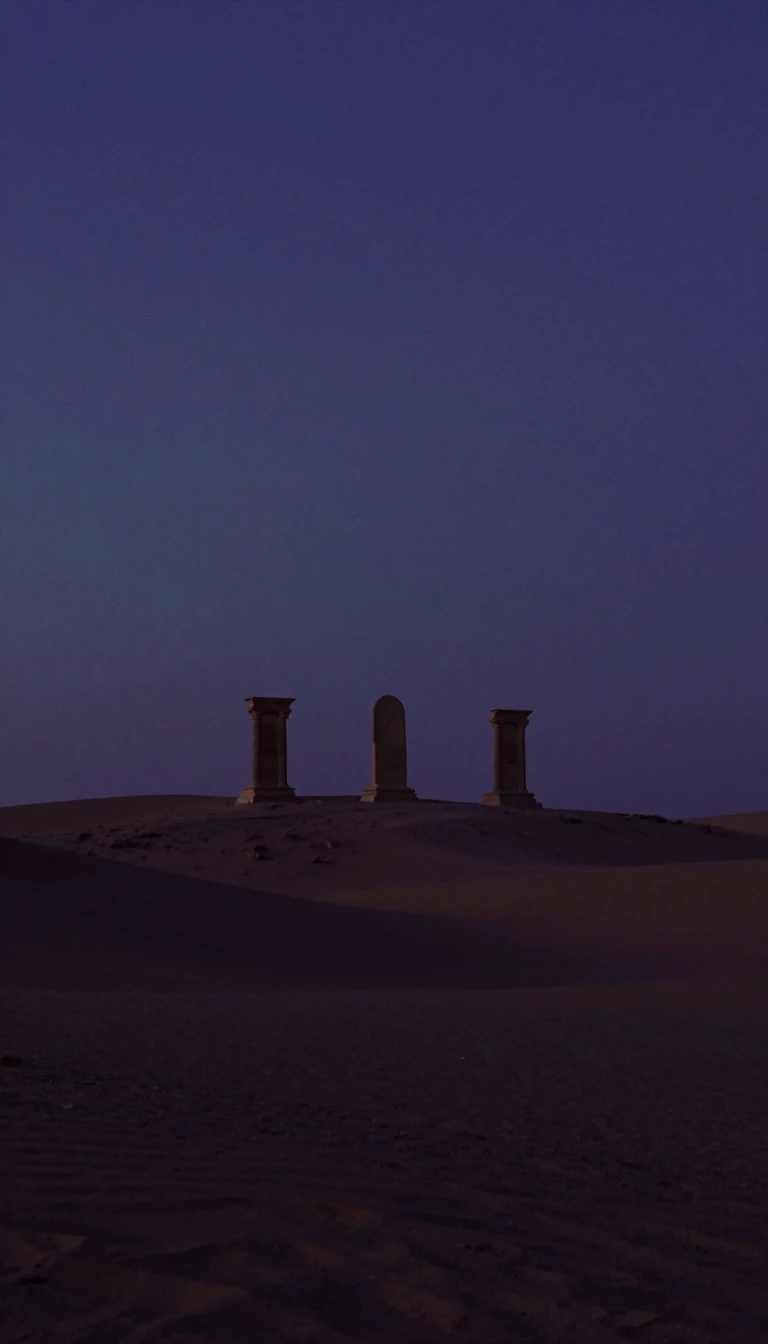
In short: Across Mesopotamia, Judaism, and Islam, the cosmos was often envisioned as a tiered structure of seven distinct heavens. This recurring number likely stems from the seven visible celestial bodies—the Sun, the Moon, and the five planets known to antiquity—which were believed to exert profound influence over the world below.
The concept of seven heavens originated in ancient Mesopotamian cosmology, where the sky was viewed as a series of domes covering a flat Earth. These layers were often associated with specific precious stones and celestial deities. While the number seven held symbolic and magical significance, it was not the only model; ancient texts frequently fluctuated between three, seven, or even hundreds of heavens. This structural division served as a way to map the divine, with the heavens acting as the exclusive abode of gods, inaccessible to mortal souls who instead descended to a shadowy underworld upon death.
As the tradition spread, it evolved into complex hierarchies. In Jewish and Islamic thought, the heavens became distinct regions populated by angels and prophets, each layer possessing unique characteristics and materials—from water and pearls to iron and divine light. Some traditions, such as those found in the Second Book of Enoch or medieval Scholasticism, expanded this framework to ten tiers, illustrating the fluidity of these cosmic maps. These structures were not merely physical; they functioned as spiritual geographies where the proximity to the divine increased with each ascent.
The persistence of the seven-fold model suggests a deep-seated human desire to impose order on the vastness of the universe. Whether interpreted as literal firmaments, metaphorical states of being, or distinct celestial spheres, the seven heavens reflect an ancient effort to bridge the gap between the earthly realm and the infinite. Today, these traditions remain a testament to how early astronomers and theologians synthesized observation of the planets with their deepest spiritual convictions, creating a legacy that continues to influence esoteric and religious thought.
Opens the Intellect+ feed with this card first. Swipe up for the next one.
Sources
- Summary by Intellect · source: Seven heavens
To cite this card, link to https://intellectplus.co.uk/app/ideas-seven-heavens.
How we source, check and correct cards: Editorial standards.
General information, not professional advice. Spotted an error? Flag the card or see corrections and complaints.
Intellect Plus is a visual educational discovery platform for exploring fascinating facts and ideas. Brain Food, Not Brain Rot. What is Intellect Plus?
Related
More in Religion and spirituality · More in Ideas & Philosophy · Latest · A–Z · All topics
