Why do ancient cultures almost always place their supreme rulers in the sky?
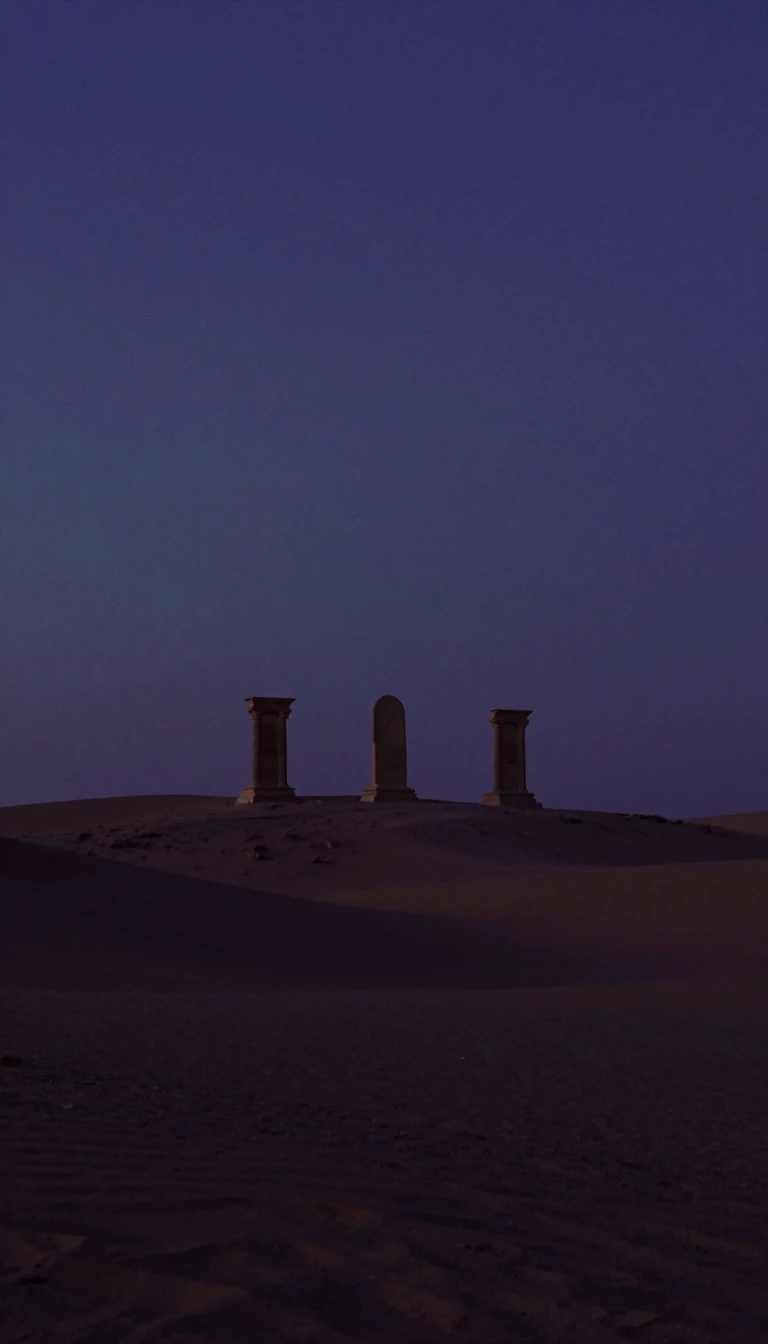
In short: Across human history, the sky has held profound religious significance, often serving as the domain of supreme deities. From the primordial Uranus to the Yoruba Olorun, these celestial figures frequently embody the archetype of the sky father, acting as patriarchs who balance the cosmic order against the earth below.
The concept of the sky deity is a recurring feature in polytheistic traditions, where the heavens are often divided into distinct realms. Scholars like Stith Thompson have categorized these figures into daytime gods, nighttime deities, and star gods, reflecting the sky's shifting nature. These celestial rulers typically occupy an upper world, standing in stark opposition to chthonic or underworld deities like the Greek Hades. This spatial hierarchy often mirrors a social one, with the masculine sky god frequently assuming the role of king or patriarch within a pantheon.
A common structural pattern in these belief systems is the pairing of a sky father with an earth mother, a duality that helps define the cosmic landscape. While sky fathers are often supreme, sky goddesses also hold significant power, frequently appearing as queens of heaven in ancient Egypt, Mesopotamia, and the Near East. In some cases, such as the ancient Semitic tradition, supreme gods like El were paired with fertility goddesses like Asherah. Historical shifts, however, could drastically alter these roles; for instance, Asherah was potentially demonized following the rise of Yahweh as the Israelite religion transitioned toward monotheism.
The reach of these deities often extends beyond the atmosphere to encompass creation, weather, and the sun itself. Figures like the Egyptian Ra or the Japanese Amaterasu demonstrate how solar power and universal authority are frequently intertwined. In other traditions, such as those of the Dinka or the Yoruba, the sky god is explicitly linked to rain, fertility, and the heavens as a whole. Wilhelm Schmidt even hypothesized that these sky deities might represent early, foundational forms of monotheism, suggesting that the human impulse to look upward for divine authority is a deeply rooted, perhaps universal, religious instinct.
Opens the Intellect+ feed with this card first. Swipe up for the next one.
Sources
- Summary by Intellect · source: Sky deity
To cite this card, link to https://intellectplus.co.uk/app/ideas-sky-deity.
How we source, check and correct cards: Editorial standards.
General information, not professional advice. Spotted an error? Flag the card or see corrections and complaints.
Intellect Plus is a visual educational discovery platform for exploring fascinating facts and ideas. Brain Food, Not Brain Rot. What is Intellect Plus?
Related
More in Religion and spirituality · More in Ideas & Philosophy · Latest · A–Z · All topics
