Why the animated skeleton remains our most versatile cultural symbol of death and life
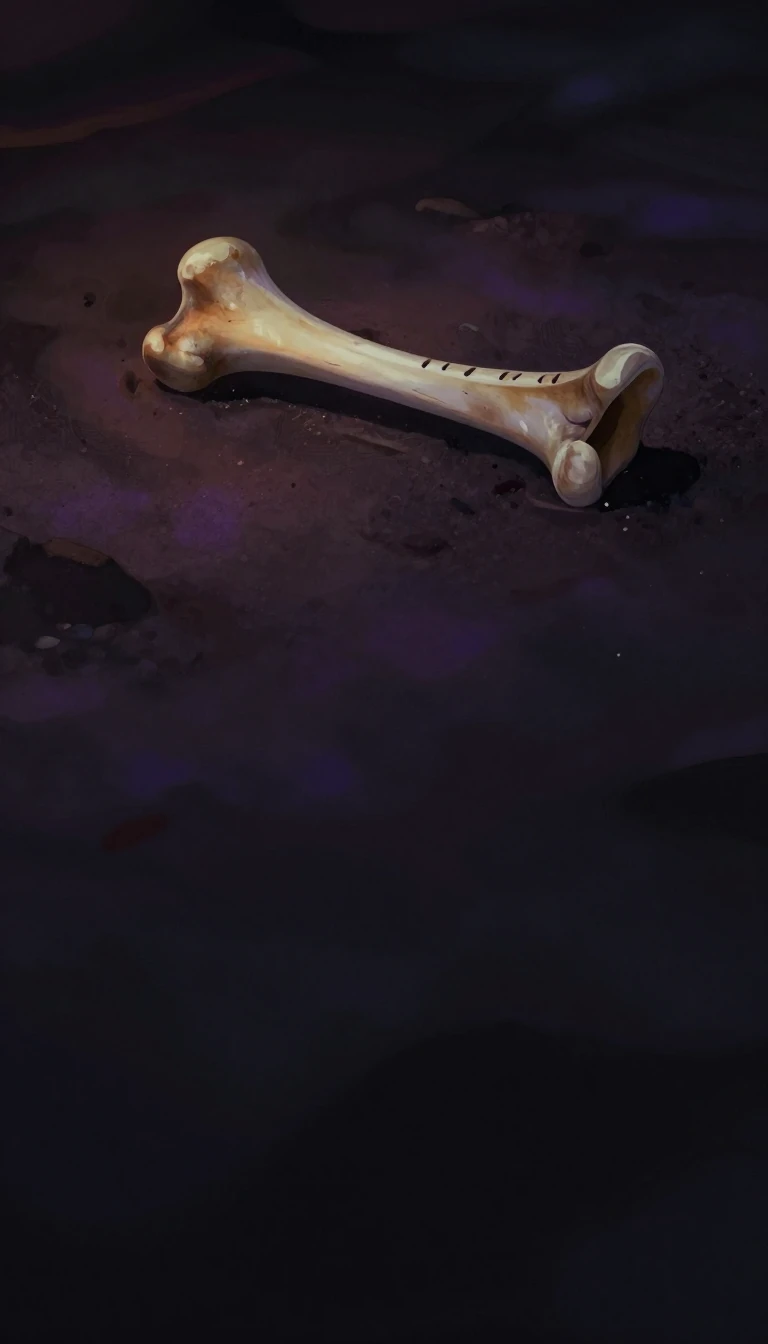
In short: From the grim reaper of medieval art to the comic relief of modern video games, the animated skeleton is a global chameleon. It serves as a terrifying harbinger of doom, a satirical critique of vanity, and a low-level gaming foe, proving that bones can tell any story we need.
The skeleton as a personification of death has deep roots in Western culture, potentially tracing back to the biblical valley of the dry bones. By the Middle Ages, this imagery was firmly established, later solidified by Hans Holbein the Younger’s 1538 depictions of the Grim Reaper. Artists like Pieter Bruegel the Elder further cemented this trope in 1562 with his painting The Triumph of Death, which portrayed a skeletal army laying waste to a town.
However, the skeleton is not merely a vessel for terror. In Mexico, the calacas of the Day of the Dead celebration use skeletal imagery to invite levity and honor life. This tradition evolved significantly in the 20th century through José Guadalupe Posada’s La Calavera Catrina, an etching originally intended as a satire of social vanity that transformed into a cherished national icon. Similarly, Thai television dramas often portray skeletons as humorous characters, illustrating a cultural spectrum that ranges from the macabre to the lighthearted.
In contemporary media, the skeleton has become a staple of interactive entertainment. In role-playing games like Dungeons & Dragons, skeletons are often treated as 'bare life'—disposable enemies that can be killed without moral hesitation. Yet, games like Undertale and Divinity: Original Sin II have subverted these expectations, presenting skeletons as complex, playable characters. Whether they are the bow-wielding monsters of Minecraft or the sentient, wisecracking skull Morte from Planescape: Torment, these figures continue to adapt, proving that the most ancient symbol of mortality is also one of our most enduringly flexible narrative tools.
Opens the Intellect+ feed with this card first. Swipe up for the next one.
Sources
- Summary by Intellect · source: Skeleton (undead)
To cite this card, link to https://intellectplus.co.uk/app/ideas-skeleton-undead.
How we source, check and correct cards: Editorial standards.
General information, not professional advice. Spotted an error? Flag the card or see corrections and complaints.
Intellect Plus is a visual educational discovery platform for exploring fascinating facts and ideas. Brain Food, Not Brain Rot. What is Intellect Plus?
Related
More in Mythology · More in Ideas & Philosophy · Latest · A–Z · All topics
