A teenage poet forged a medieval legacy, then died in a London attic.
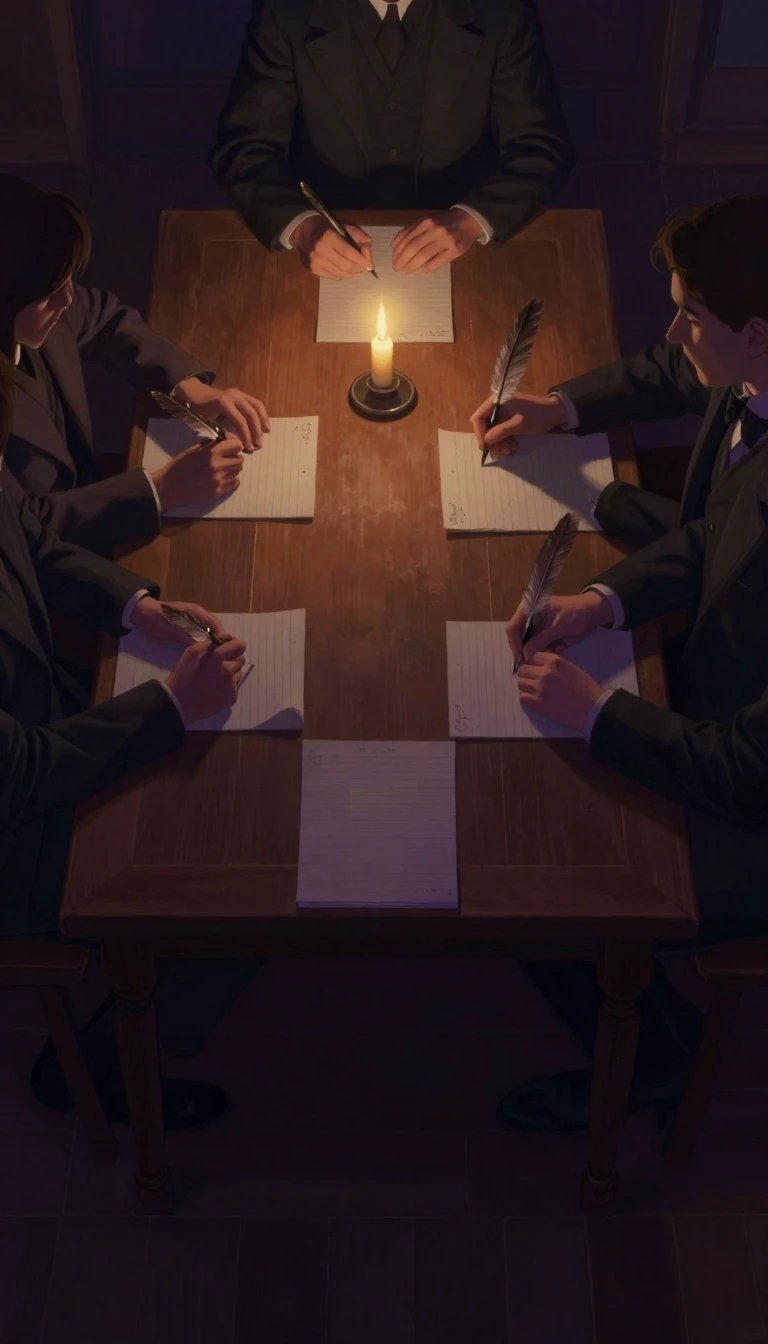
In short: Thomas Chatterton was a brilliant, impoverished youth who captivated the Romantic era by inventing a 15th-century monk named Thomas Rowley. His elaborate literary forgeries fooled scholars and patrons alike, but his short life ended in suicide at seventeen, leaving behind a haunting myth that continues to inspire artists today.
Born in Bristol in 1752, Chatterton was a fatherless child who found solace in an imagined world. By age eleven, he was already publishing work, eventually creating the persona of Thomas Rowley to present his own poetry as ancient discoveries. He relied on dictionaries and anthologies to craft a convincing, archaic jargon, projecting his desire for a wealthy patron onto the historical figure of William Canynges, a 15th-century merchant. Psychoanalyst Louise J. Kaplan argued that this elaborate imposture was a psychological attempt to reconstitute a lost father figure while escaping the poverty of his upbringing.
Chatterton’s ambition led him to London in 1770, where he sought political influence and literary success. Despite his extraordinary diligence and ability to mimic styles ranging from Alexander Pope to the political satirist Junius, he could not earn a living wage. His rejection by Horace Walpole—who initially praised the poems but turned hostile upon discovering the author's age—dealt a severe blow to his prospects. As his financial situation worsened, he turned to political writing, yet remained trapped in extreme poverty, often going days without food.
On 24 August 1770, at seventeen years and nine months old, Chatterton died in his Brook Street attic after consuming arsenic. While his death was long viewed as a tragic suicide, some modern accounts, including Peter Ackroyd’s 1987 novel, suggest it may have been an accidental overdose while treating a venereal disease. Regardless of the cause, his death became a potent symbol for later generations. Artists like Henry Wallis, whose painting The Death of Chatterton remains iconic, and poets like Keats and Shelley, cemented his status as a martyred genius whose life and work remain a subject of intense fascination.
Opens the Intellect+ feed with this card first. Swipe up for the next one.
Sources
- Summary by Intellect · source: Thomas Chatterton
To cite this card, link to https://intellectplus.co.uk/app/ideas-thomas-chatterton.
How we source, check and correct cards: Editorial standards.
General information, not professional advice. Spotted an error? Flag the card or see corrections and complaints.
Intellect Plus is a visual educational discovery platform for exploring fascinating facts and ideas. Brain Food, Not Brain Rot. What is Intellect Plus?
Related
More in Writers · More in Ideas & Philosophy · Latest · A–Z · All topics
