A forgotten seventeenth-century poet who rediscovered the world through the eyes of a child.
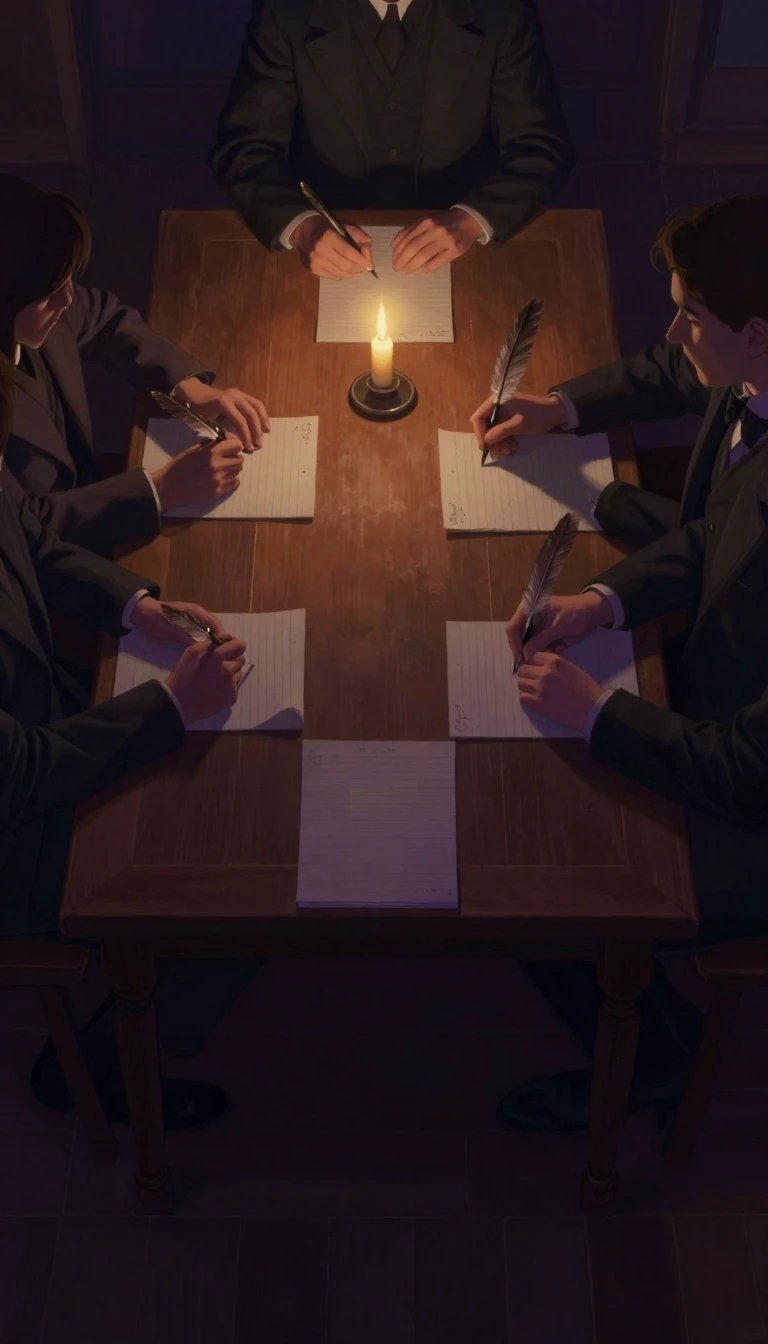
In short: Thomas Traherne lived as an obscure country priest, leaving behind manuscripts that languished for two centuries. When finally discovered in a pile of discarded books, his writings revealed a visionary who viewed creation with intense, childlike wonder, bridging the gap between ancient philosophy and the later Romantic movement.
Born in Hereford around 1636, Traherne was an Anglican cleric whose literary legacy remained almost entirely hidden during his lifetime. While he published a polemical critique of Roman Catholicism titled Roman Forgeries in 1673, his most profound work—the Centuries of Meditations—did not reach the public until 1908. His manuscripts were bequeathed to his brother Philip upon his death in 1674, eventually passing into the possession of the Skipp family, where they remained largely forgotten for nearly two hundred years.
The rediscovery of his work began in the winter of 1896–97, when William T. Brooke found anonymous manuscripts in a bookstall. Initially misattributed to Henry Vaughan, the papers were correctly identified as Traherne’s by Bertram Dobell. This recovery unveiled a unique voice that explored the glory of existence through a lens of 'felicity.' Traherne argued that true happiness, or bliss, is found by aligning human understanding with the divine will, a process he described with an ardent, almost childlike appreciation for the natural world.
Traherne’s theology was deeply influenced by the Cambridge Platonists, who believed that reason was a divine echo within the human soul. While some critics have noted his work borders on pantheism, his writing remains rooted in a structured, rational examination of faith. He sought to reconcile the limitations of human nature with the infinite love of God, viewing the senses as spiritual tools. Today, he is recognized as a significant figure in seventeenth-century devotional poetry, celebrated for his ability to perceive the splendor of God within the hidden depths of the soul.
Recent scholarship continues to expand the Traherne canon. In 1996, an unfinished epic poem was identified in the Folger Library, and in 1997, Jeremy Maule discovered several additional prose works in the Lambeth Palace Library. These findings have solidified his reputation as a major Anglican divine, offering fresh perspectives on his views regarding ethics, morality, and the nature of sin.
Opens the Intellect+ feed with this card first. Swipe up for the next one.
Sources
- Summary by Intellect · source: Thomas Traherne
To cite this card, link to https://intellectplus.co.uk/app/ideas-thomas-traherne.
How we source, check and correct cards: Editorial standards.
General information, not professional advice. Spotted an error? Flag the card or see corrections and complaints.
Intellect Plus is a visual educational discovery platform for exploring fascinating facts and ideas. Brain Food, Not Brain Rot. What is Intellect Plus?
Related
More in Writers · More in Ideas & Philosophy · Latest · A–Z · All topics
