Why the Aztec rain god Tlaloc promised a watery paradise to the sick and drowned
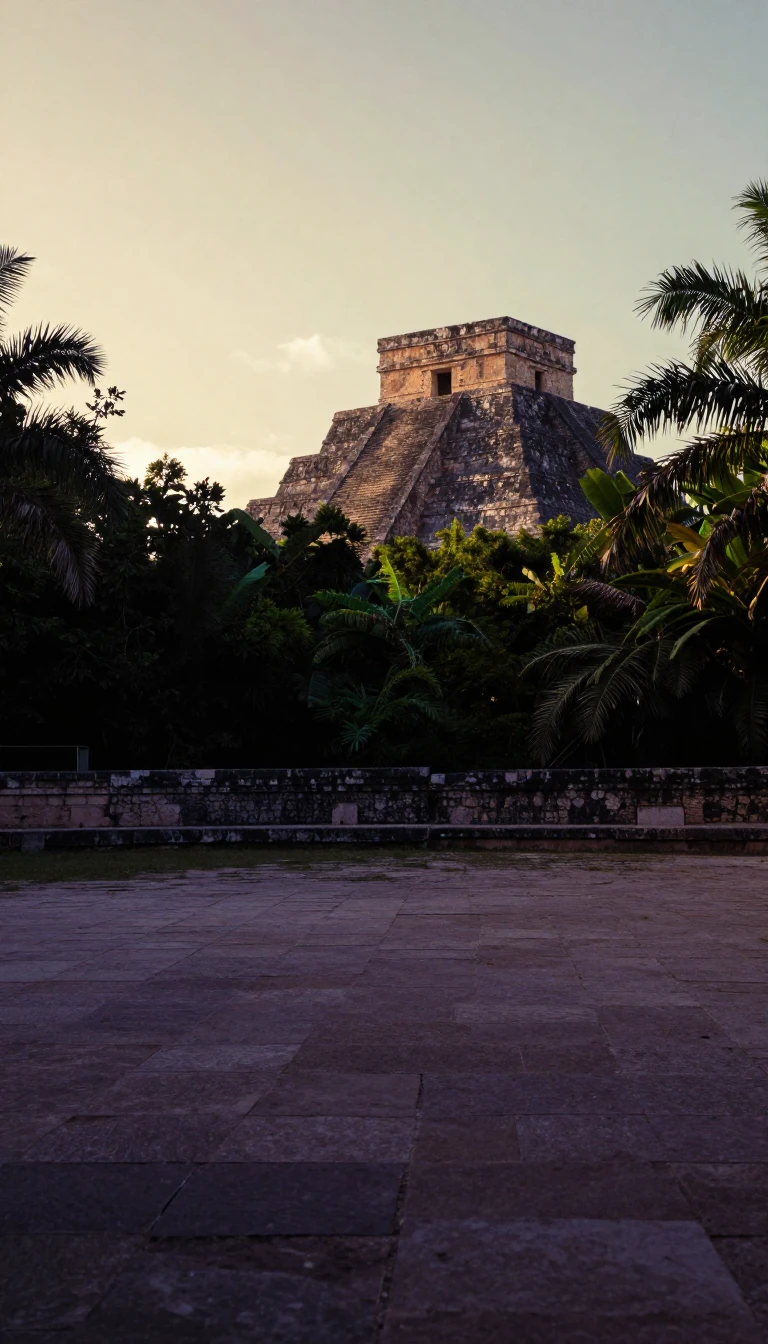
In short: Tlaloc was a central figure in Aztec cosmology, governing rain, fertility, and the terrifying power of storms. Unlike the warriors who ascended to the heavens, those who died from specific diseases or water-related accidents were claimed by Tlaloc, finding an eternal home in his lush, paradisiacal garden.
Tlaloc stands as one of the most enduring and universal figures in ancient Mexican religion. His iconography, characterized by large, round eyes, long fangs, and a mustache-like lip shape, dates back to the Teotihuacán culture between the 3rd and 8th centuries AD. As a deity of rain, water, and earthly fertility, he was both revered as a giver of life and feared for his control over lightning, hail, and thunder. His influence was so profound that he remained a significant presence even after the Spanish conquest, with his imagery occasionally appearing within the walls of 16th-century churches.
The deity's domain extended beyond the living world. While warriors and women who died in childbirth joined the sun in the heavens, Tlaloc offered a unique afterlife. His paradise was reserved for those who died by drowning, lightning, or specific ailments such as leprosy, dropsy, gout, or lung diseases. It was believed that Tlaloc himself caused these deaths, effectively choosing these individuals to reside in his gardens. This afterlife was distinct from Mictlan, the grim underworld where most others traveled for four years before vanishing entirely.
Worship of Tlaloc was highly institutionalized, with a dedicated high priest overseeing his temples at Tenochtitlán. Rituals were often held on mountaintops, most notably at Cerro Tlaloc, which served as a primary site for ceremonies and human sacrifice. The complexity of his worship is reflected in the diverse symbols associated with him, including jaguars, serpents, butterflies, and the Mexican marigold. Because of his long history and widespread adoption across Mesoamerican cultures, scholars sometimes struggle to distinguish his true representations from other deities, leading to frequent historical misidentifications of his statues and iconography.
Opens the Intellect+ feed with this card first. Swipe up for the next one.
Sources
- Summary by Intellect · source: Tlaloc | Aztec Rain God & Nature Deity | Britannica
- Also: Tláloc
To cite this card, link to https://intellectplus.co.uk/app/ideas-tl-loc.
How we source, check and correct cards: Editorial standards.
General information, not professional advice. Spotted an error? Flag the card or see corrections and complaints.
Intellect Plus is a visual educational discovery platform for exploring fascinating facts and ideas. Brain Food, Not Brain Rot. What is Intellect Plus?
Related
More in Mythology · More in Ideas & Philosophy · Latest · A–Z · All topics
