Umay: The Ancient Turkic Goddess Who Governs the Sacred Cycle of Life and Birth
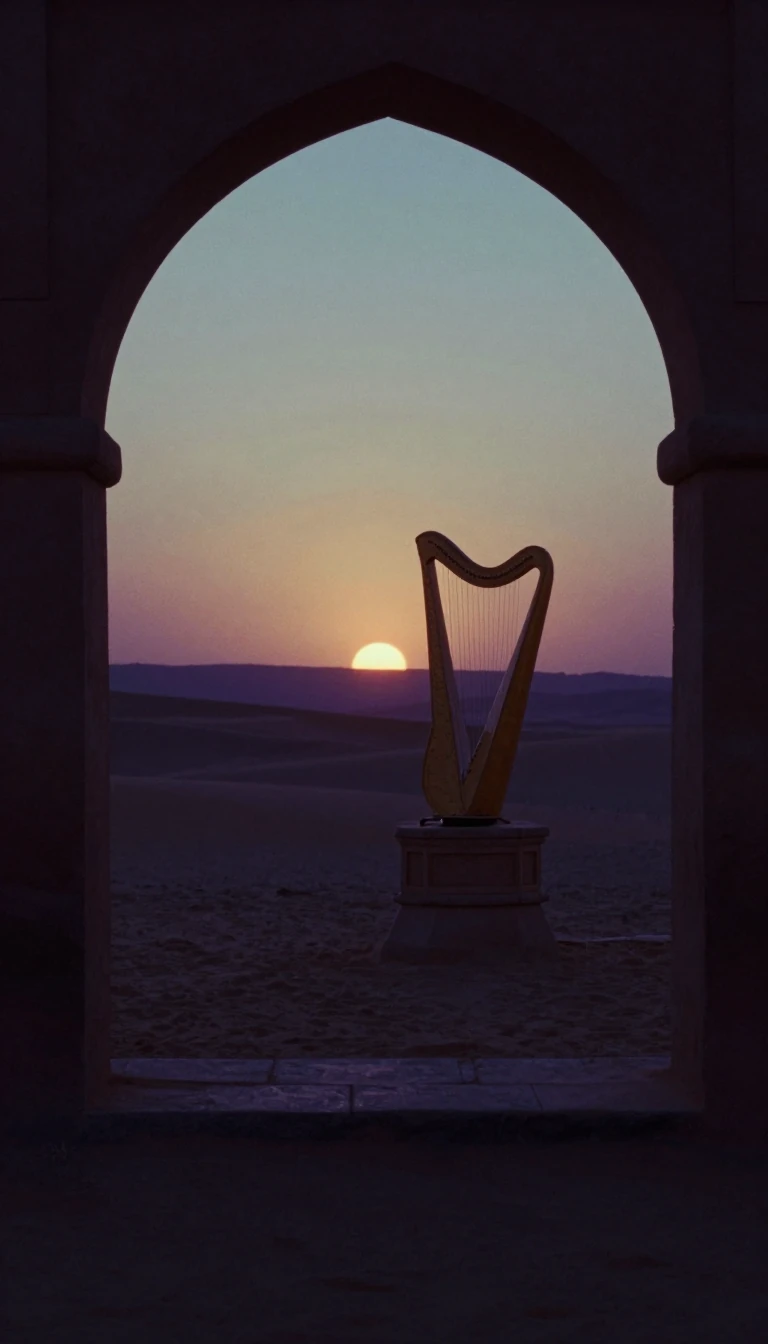
In short: In the vast pantheon of Turkic mythology, Umay stands as the invisible guardian of mothers, children, and the very essence of fertility. From the 8th-century Orkhon monuments to modern Anatolian traditions, this celestial figure bridges the gap between the heavens and the cradle, shaping the destiny of empires and families.
The name Umay carries deep biological roots, originating from terms for the placenta or womb. This linguistic connection underscores her primary role as a protector of women and children. In Turkic belief, she is not merely a distant deity but an active participant in human life, residing in the heavens while keeping the souls of the unborn within a temple on Mount Ymay-tas. Her presence is felt in the everyday: a sleeping baby’s smile is interpreted as a sign of her proximity, while a child’s illness or crying is often seen as a signal that she has departed, requiring the intervention of a shaman to call her back.
Beyond her domestic duties, Umay held significant political weight. In the 8th-century inscription of Kul Tigin, the status of a queen was elevated by comparing her to the goddess, suggesting that the fertility of a khagan’s wife was the literal guarantee of the empire’s future. This association between the divine and the state meant that royal women were often considered earthly manifestations of Umay. Her influence extended to the broader community as well; she was believed to bestow luck, food, and prosperity upon the people, cementing her status as a foundational figure in Tengrism.
Umay’s imagery is as vibrant as her influence. Often depicted with sixty golden tresses resembling sun rays, she is associated with the color yellow and the sun itself. This solar connection links her to the essence of fire and nature. Her legacy persists in surprising ways, such as the 1,800-year-old olive tree at the Teos Archaeological Site, known as 'Umay Nine.' This living monument serves as a silent testament to her enduring role as a guardian of the circle of life, bridging ancient Central Asian mythology with the cultural landscape of modern Turkey.
Opens the Intellect+ feed with this card first. Swipe up for the next one.
Sources
- Summary by Intellect · source: Umay
To cite this card, link to https://intellectplus.co.uk/app/ideas-umay.
How we source, check and correct cards: Editorial standards.
General information, not professional advice. Spotted an error? Flag the card or see corrections and complaints.
Intellect Plus is a visual educational discovery platform for exploring fascinating facts and ideas. Brain Food, Not Brain Rot. What is Intellect Plus?
Related
More in Mythology · More in Ideas & Philosophy · Latest · A–Z · All topics
