Why the Tridentine Mass remains a flashpoint for modern Roman Catholic identity
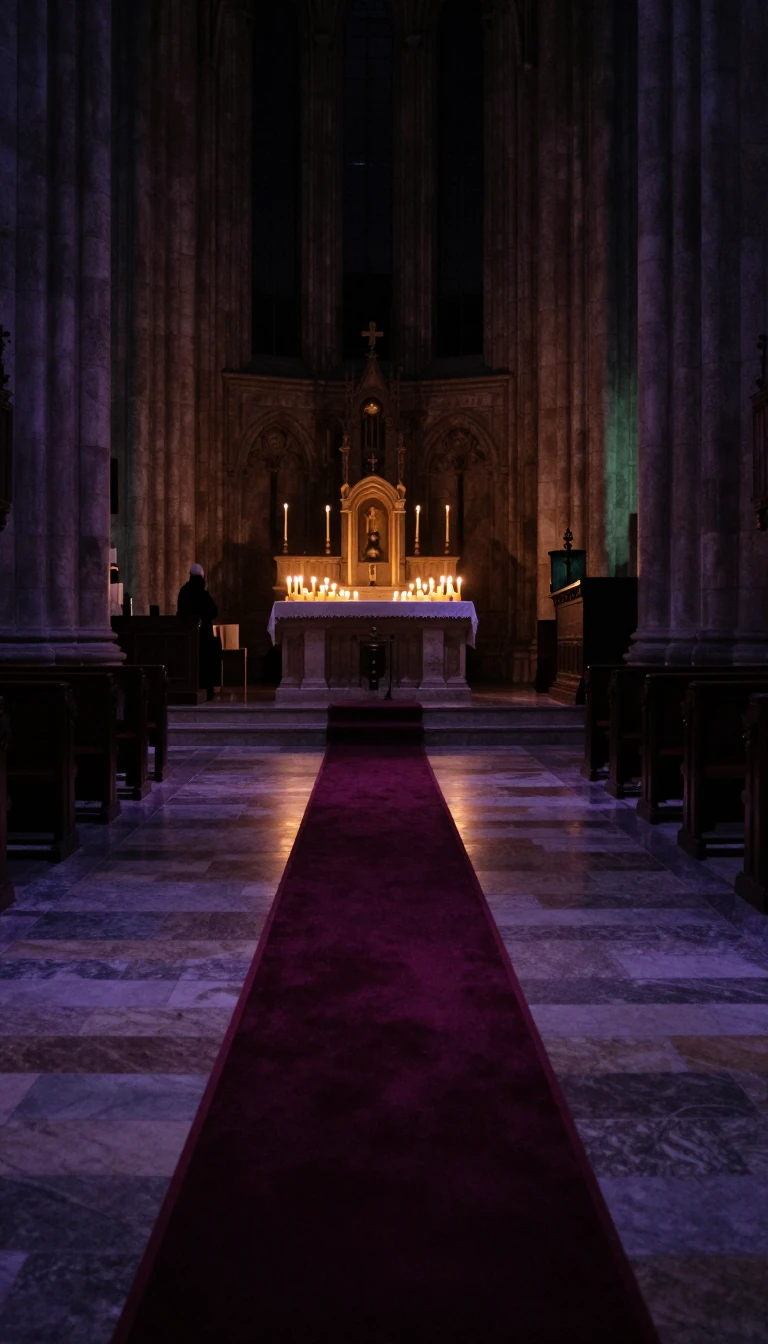
In short: For centuries, the Tridentine Mass defined Roman Catholic worship, characterized by Latin liturgy and priests facing away from the congregation. Since the Second Vatican Council, this ancient rite has been largely replaced by modern vernacular forms, sparking a persistent, contentious divide between traditionalists and those embracing liturgical reform.
The Tridentine Mass traces its formal origins to the Council of Trent (1545–1563), which prompted Pope Pius V to promulgate a standardized Roman Missal in 1570. This rite, which solidified liturgical practices that had been developing since the 6th and 7th centuries, remained the standard for the Latin Church for nearly four hundred years. It was defined by its use of Ecclesiastical Latin, the priest’s orientation toward the altar rather than the people, and a solemn, often inaudible recitation of the central eucharistic canon.
The Second Vatican Council (1962–1965) sought to modernize Catholic worship to foster spiritual renewal and active participation among the laity. This led to the 1970 promulgation of a revised Roman Missal, which introduced vernacular languages, allowed communion under both species for laypeople, and encouraged a simpler, more accessible liturgical style. While many Catholics welcomed these changes, a traditionalist movement emerged, viewing the shift as a loss of reverence and transcendence. Pope Benedict XVI later described the pre- and post-conciliar rites as a twofold use of the same Roman Rite, though tensions regarding their coexistence persist.
The status of the 1962 Roman Missal remains a subject of ecclesiastical regulation and debate. While the revised rite can still be celebrated in Latin, the specific Tridentine form has faced increasing restrictions, most notably through Pope Francis’s 2021 decree, Traditionis custodes. For traditionalists, this rite represents a vital link to the Church of the Apostles, while for others, it is a relic of a time when the liturgy was largely the preserve of the clergy, inaccessible to the average believer.
Opens the Intellect+ feed with this card first. Swipe up for the next one.
Sources
- Summary by Intellect · source: Traditional Latin mass | Vs Novus Ordo, Allowed, Pope, History, Movement, Tridentine, & Facts | Britannica
- Also: Tridentine Mass
To cite this card, link to https://intellectplus.co.uk/app/ideas-tridentine-mass.
How we source, check and correct cards: Editorial standards.
General information, not professional advice. Spotted an error? Flag the card or see corrections and complaints.
Intellect Plus is a visual educational discovery platform for exploring fascinating facts and ideas. Brain Food, Not Brain Rot. What is Intellect Plus?
Related
More in Religious figures · More in Ideas & Philosophy · Latest · A–Z · All topics
