The Catholic Mass is a ritual bridge between the Last Supper and Calvary
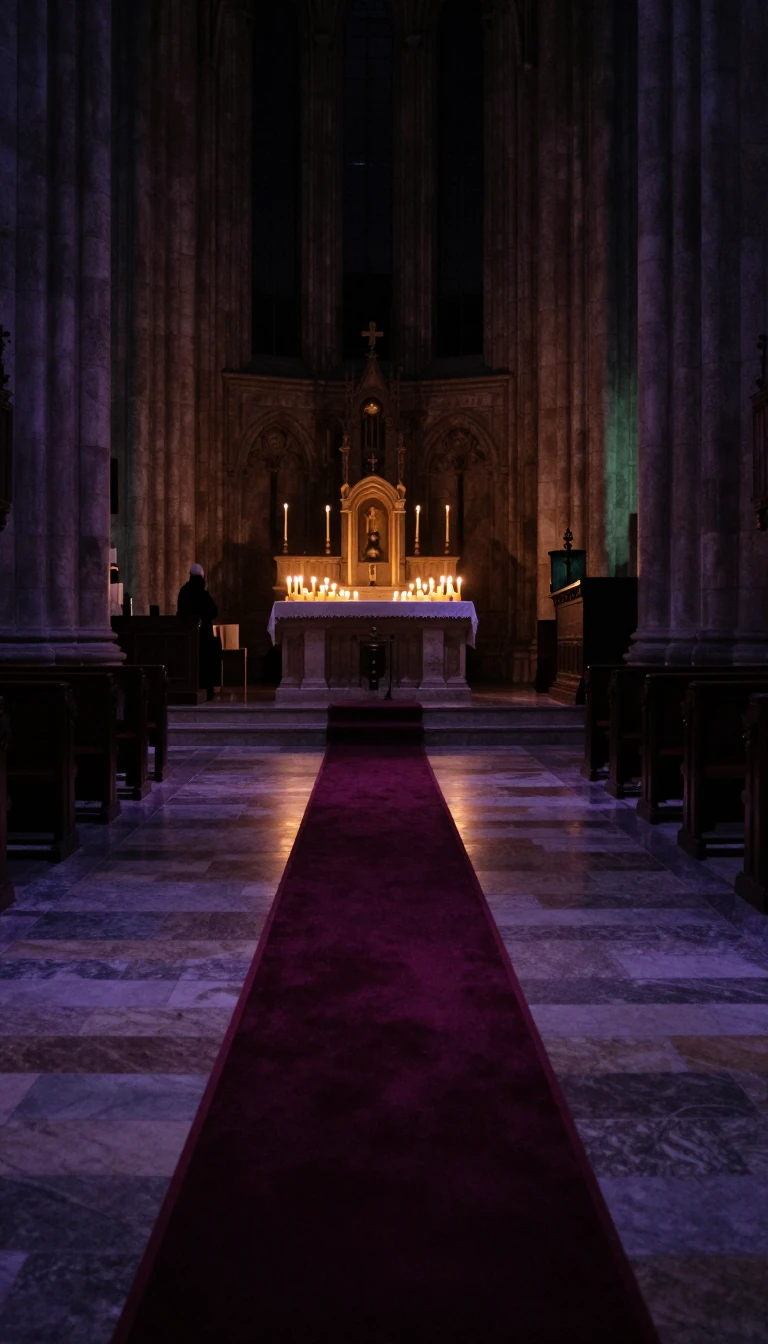
In short: For Catholics, the Mass is the central liturgy of the Eucharist, where bread and wine are transformed into the body and blood of Christ. It is not merely a memorial, but a real, unbloody sacrifice that makes the events of Calvary present again on the altar for the faithful.
The term 'Mass' originates from the Latin 'Ite, missa est,' the final dismissal of the Roman Rite, which implies a mission for the congregation. Catholic teaching views this liturgy as the fulfillment of Old Covenant sacrifices, serving as an inexhaustible fountain of grace. Instituted by Christ at the Last Supper, the Mass unites that event with his death on the cross, functioning as a sacrifice offered for adoration, atonement, thanksgiving, and petition.
The structure of the Mass has evolved significantly over centuries. While early Christian gatherings involved shared meals, by the second and third centuries, these rites shifted toward the reading of Scripture and the use of bread and wine. Following the Council of Trent (1545–1563), Pope Pius V enforced the Tridentine Mass in 1570, which remained the standard until the Second Vatican Council. In 1969, Pope Paul VI promulgated a revised Roman Missal, which is now the most widely used form.
Modern liturgical practice is defined by the post-Vatican II Roman Rite, though the 1962 Tridentine form remains accessible under specific conditions. Pope Francis, in his 2021 letter 'Traditionis custodes,' emphasized that the books promulgated by Paul VI and John Paul II are the unique expression of the Roman Rite's prayer. The liturgy itself is a single act of worship, incorporating the proclamation of the Word, the consecration of elements, and the participation in a sacred banquet.
The Mass is deeply structured, moving from the Liturgy of the Word—featuring readings from the Bible and the homily—to the Eucharistic celebration. The priest, acting as an earthly representative of Christ, leads the assembly through fixed prayers and variable readings that reflect the liturgical season or specific commemorations. Only baptized Catholics in a state of grace are permitted to receive the Eucharist, which the Church considers the 'source and summit' of Christian life.
Opens the Intellect+ feed with this card first. Swipe up for the next one.
Sources
- Summary by Intellect · source: Mass in the Catholic Church
To cite this card, link to https://intellectplus.co.uk/app/ideas-mass-in-the-catholic-church.
How we source, check and correct cards: Editorial standards.
General information, not professional advice. Spotted an error? Flag the card or see corrections and complaints.
Intellect Plus is a visual educational discovery platform for exploring fascinating facts and ideas. Brain Food, Not Brain Rot. What is Intellect Plus?
Related
More in Abrahamic religions · More in Ideas & Philosophy · Latest · A–Z · All topics
