How a schoolboy's cruel prank on a teacher birthed the modern theatre of absurdity
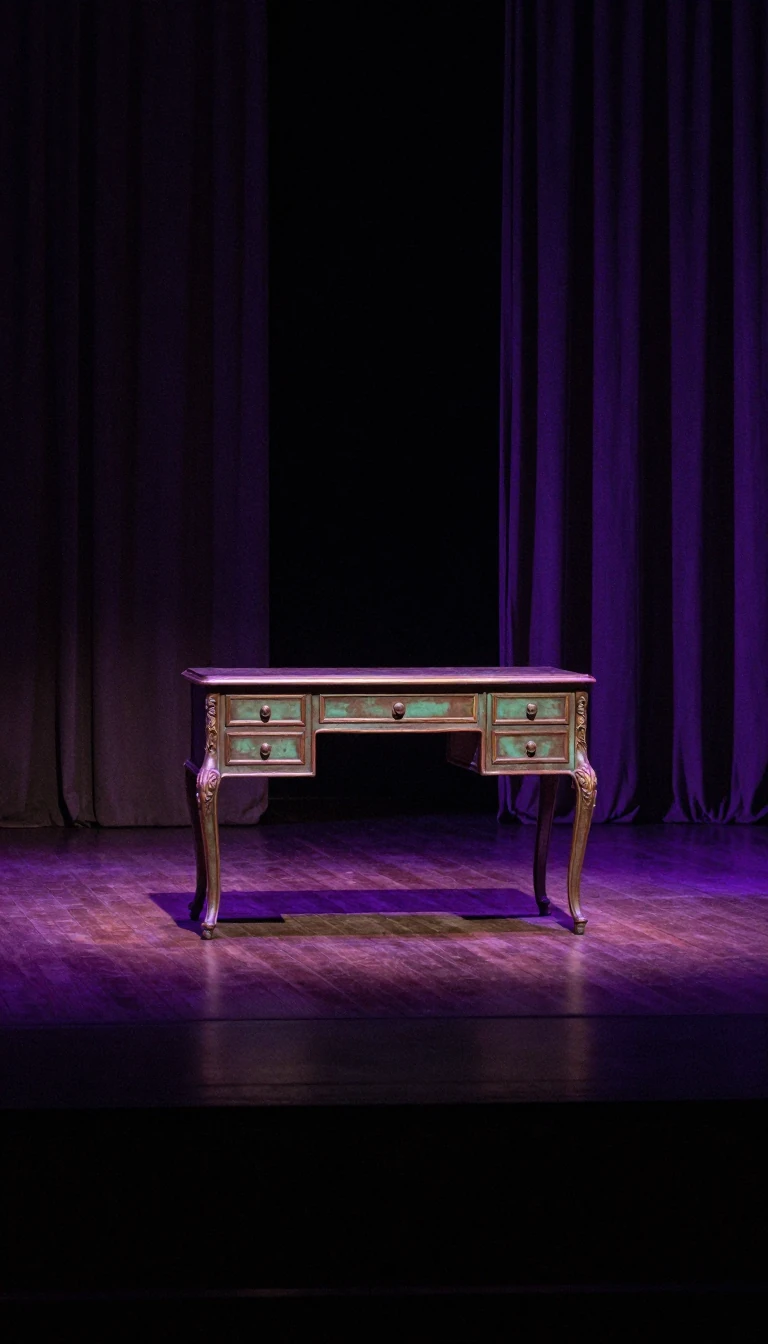
In short: When Alfred Jarry’s Ubu Roi premiered in 1896, the audience rioted. This grotesque, scatological farce—born from a student’s mockery of a physics teacher—shattered cultural norms. By introducing a gluttonous, infantile antihero, Jarry inadvertently opened the door to modernism, Dadaism, and the Theatre of the Absurd, forever changing the stage.
The origins of Ubu Roi are rooted in the adolescent rebellion of Alfred Jarry. As a fifteen-year-old student at the Lycée in Rennes in 1888, Jarry encountered a farcical sketch titled Les Polonais, written by his friends Henri and Charles Morin. The play was a biting satire of their physics teacher, Félix-Frederic Hébert, whom the students ridiculed for his greed and incompetence. Jarry spent the rest of his short life expanding and refining this material, transforming a local schoolboy joke into a universal metaphor for the corrupt, complacent bourgeoisie.
When the play finally reached the stage in Paris on December 10, 1896, the reaction was explosive. The opening word, a vulgarity, combined with the play's bizarre, non-naturalistic staging—which Jarry envisioned as a puppet show—baffled and offended the public. The production was marked by a riotous audience response and scathing reviews. For observers like W. B. Yeats, the play represented a terrifying shift toward a 'Savage God,' signaling the end of the subtle, spiritual-themed literature of the era and the arrival of a raw, objective, and brutal new form of comedy.
At the heart of the work is Père Ubu, an antihero defined by his infantile engagement with the world. He is a creature of pure self-gratification, driven by greed, stupidity, and cruelty. Jarry’s innovation was to place this monster in a world where actions lack consequences, allowing the audience to witness the acting out of their own most childish rages. This 'ubuesque' character has since become a recurring figure in political discourse, serving as a lens through which to view the grotesque nature of power, from the fall of the American Empire to the complexities of post-apartheid South Africa.
While Jarry’s later sequels, Ubu Cocu and Ubu Enchaîné, were not performed during his lifetime, the legacy of his creation has proven remarkably durable. Scholars now recognize Ubu Roi as a foundational text for the 20th century, bridging the gap between the comic grotesque of Rabelais and the later movements of Surrealism and the Theatre of the Absurd. Through his pseudo-science of 'pataphysics'—the science of imaginary solutions—Jarry provided a framework for understanding a universe governed by exceptions, ensuring that his schoolboy caricature would remain a permanent, disruptive fixture in the history of drama.
Opens the Intellect+ feed with this card first. Swipe up for the next one.
Sources
- Summary by Intellect · source: Ubu Roi
- Also: www.britannica.com — Ubu roi | Avant-garde, Absurdism, Satire | Britannica
To cite this card, link to https://intellectplus.co.uk/app/ideas-ubu-roi.
How we source, check and correct cards: Editorial standards.
General information, not professional advice. Spotted an error? Flag the card or see corrections and complaints.
Intellect Plus is a visual educational discovery platform for exploring fascinating facts and ideas. Brain Food, Not Brain Rot. What is Intellect Plus?
Related
More in Writers · More in Ideas & Philosophy · Latest · A–Z · All topics
