Experimental theatre began as a radical rejection of the dominant, passive bourgeois stage traditions.
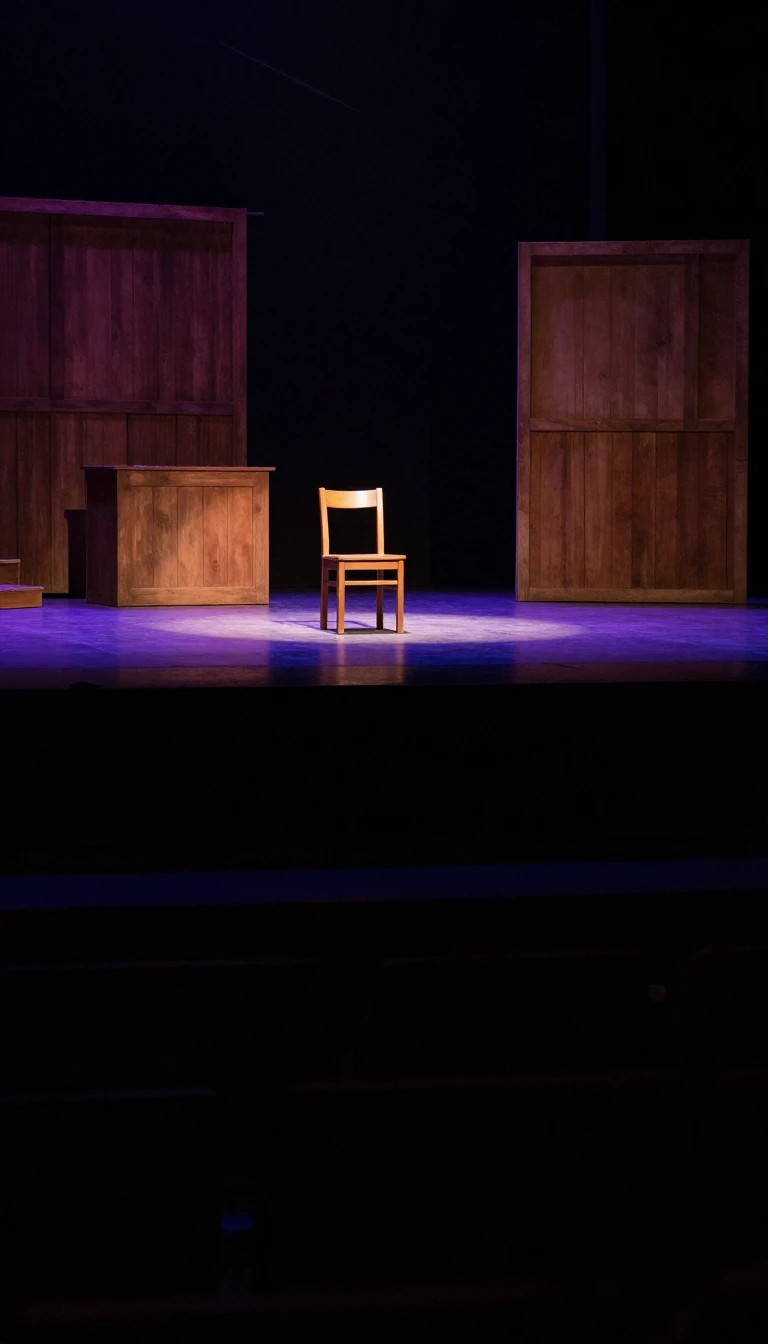
In short: Experimental theatre is not just a new style; it is a fundamental quest to dismantle the barrier between performer and audience. By breaking the fourth wall and abandoning traditional proscenium arches, practitioners aim to transform passive observers into active participants, using the stage as a tool for social and spiritual change.
Emerging in the late 19th century with Alfred Jarry, experimental theatre—or avant-garde theatre—was born from a perceived cultural crisis. It sought to reject the naturalism and bourgeois conventions of the time. Directors like Peter Brook have defined the core mission as creating a 'necessary theatre,' where the distinction between actor and audience is practical rather than fundamental. This shift often involves subverting the proscenium arch, moving performances into non-theatrical spaces, or using audience participation to provoke direct emotional and intellectual responses.
During the 1950s and 1960s, the movement became deeply intertwined with socio-political activism. In the United States, theatre served as a reaction against issues like racial injustice, sexism, and the military-industrial complex. Meanwhile, in South America, the Nuevo Teatro Popular used collective-driven performances to explore class and cultural identity. Practitioners like Augusto Boal even utilized 'Legislative Theatre' in Rio to influence community legislation, demonstrating how performance could function as a catalyst for real-world social change.
The movement also frequently looked eastward for inspiration, though often through a lens of exoticization. Modernists like Artaud, Brecht, and Yeats incorporated elements from Balinese dance, Peking Opera, and Noh drama to challenge Western realism. However, these borrowings were often filtered through personal agendas, with practitioners frequently isolating rituals from their original cultural contexts. While these experiments helped break the primacy of the director and writer, critics argue that this 'orientalism' often distorted the very traditions the artists sought to emulate, prioritizing aesthetic and intellectual quests over genuine cultural understanding.
Opens the Intellect+ feed with this card first. Swipe up for the next one.
Sources
- Summary by Intellect · source: Experimental theatre
To cite this card, link to https://intellectplus.co.uk/app/science-experimental-theatre.
How we source, check and correct cards: Editorial standards.
General information, not professional advice. Spotted an error? Flag the card or see corrections and complaints.
Intellect Plus is a visual educational discovery platform for exploring fascinating facts and ideas. Brain Food, Not Brain Rot. What is Intellect Plus?
Related
More in Social scientists · More in Science · Latest · A–Z · All topics
