Was the Viking expansion driven by a desperate search for wives and silver?
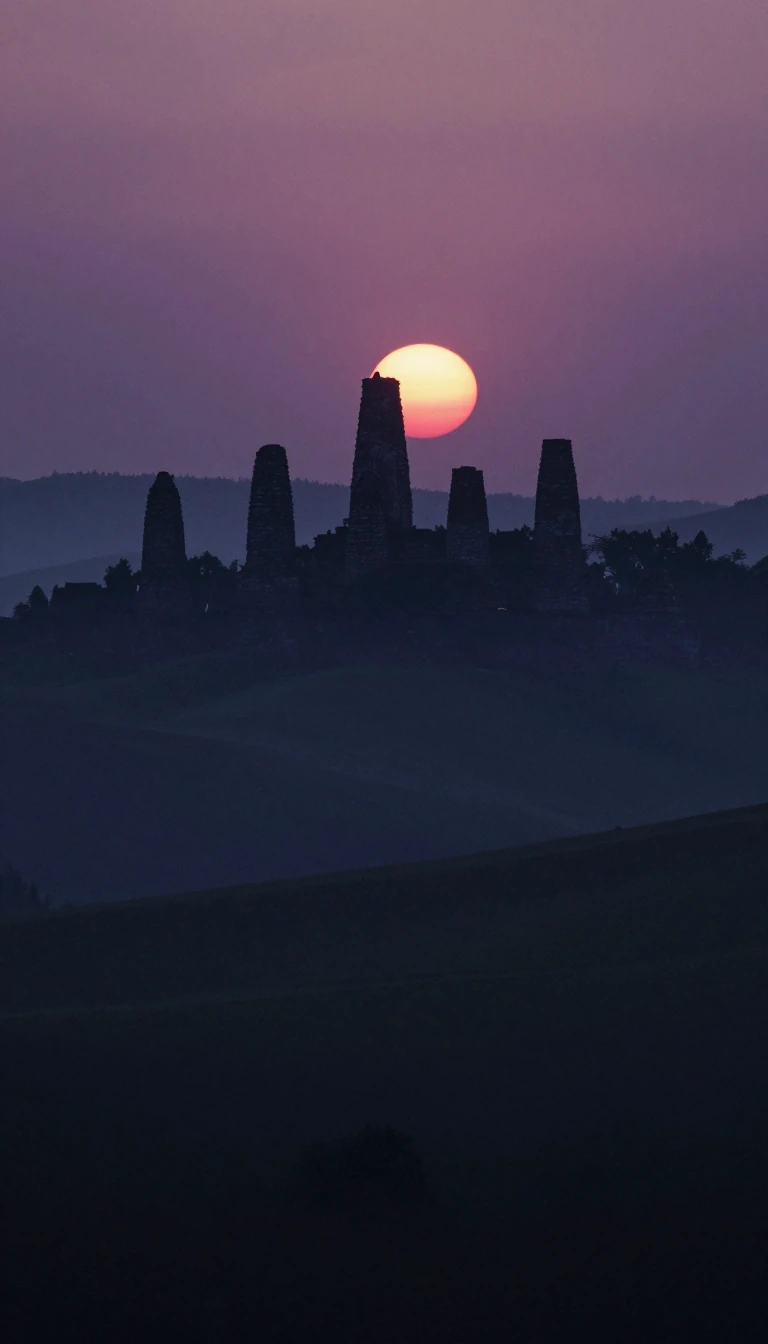
In short: The Viking Age was not just a series of random raids. It was a complex, centuries-long movement fueled by shifting trade routes, social competition, and a hunger for resources. From the slave markets of the East to the founding of Normandy, the Vikings reshaped the medieval world through trade and conquest.
Historians long debated the catalysts for Viking expansion, which began in the 8th century. One compelling theory suggests that polygynous marriage customs created a surplus of unmarried, status-seeking men. With rich elites monopolizing wives, average men were incentivized to engage in risky, wealth-generating behavior to improve their social standing and marriage prospects. This competition for resources and reputation drove many to seek fortune abroad, often through raiding or trade.
Economic necessity also played a pivotal role. As trade routes in the Mediterranean faltered following the collapse of Roman western provinces and the expansion of Islam, Vikings seized control of emerging markets. They became central players in the slave trade, trafficking captives from Eastern Europe to the Byzantine Empire and the Abbasid Caliphate. This lucrative trade in humans and furs brought vast quantities of Arab silver dirhams into Scandinavia, fueling further expeditions and the establishment of major trading hubs like Dublin and the Kievan Rus'.
While some scholars point to population pressure or a 'youth bulge'—where younger sons, denied inheritance, sought their own land—these claims remain difficult to prove definitively. Instead, the expansion appears to be a pragmatic response to opportunity. Whether through the establishment of the Danelaw in England, the creation of the Duchy of Normandy under Rollo in 911, or the founding of Irish towns, Vikings integrated into local societies, often adopting local customs and languages while leaving a permanent mark on European toponymy and political history.
The era eventually waned by the 11th century, as Viking descendants became absorbed into the populations they once raided. The legacy of this period is not merely one of violence, but of profound cultural and economic integration. From the silver hoards of Galloway to the linguistic echoes in Welsh coastal names, the Viking impact remains a foundational element of the medieval European landscape.
Opens the Intellect+ feed with this card first. Swipe up for the next one.
Sources
- Summary by Intellect · source: Viking expansion
To cite this card, link to https://intellectplus.co.uk/app/ideas-viking-expansion.
How we source, check and correct cards: Editorial standards.
General information, not professional advice. Spotted an error? Flag the card or see corrections and complaints.
Intellect Plus is a visual educational discovery platform for exploring fascinating facts and ideas. Brain Food, Not Brain Rot. What is Intellect Plus?
Related
More in Philosophers, historians, political and social scientists · More in Ideas & Philosophy · Latest · A–Z · All topics
