The invisible engine of the Viking economy was the trade of human beings
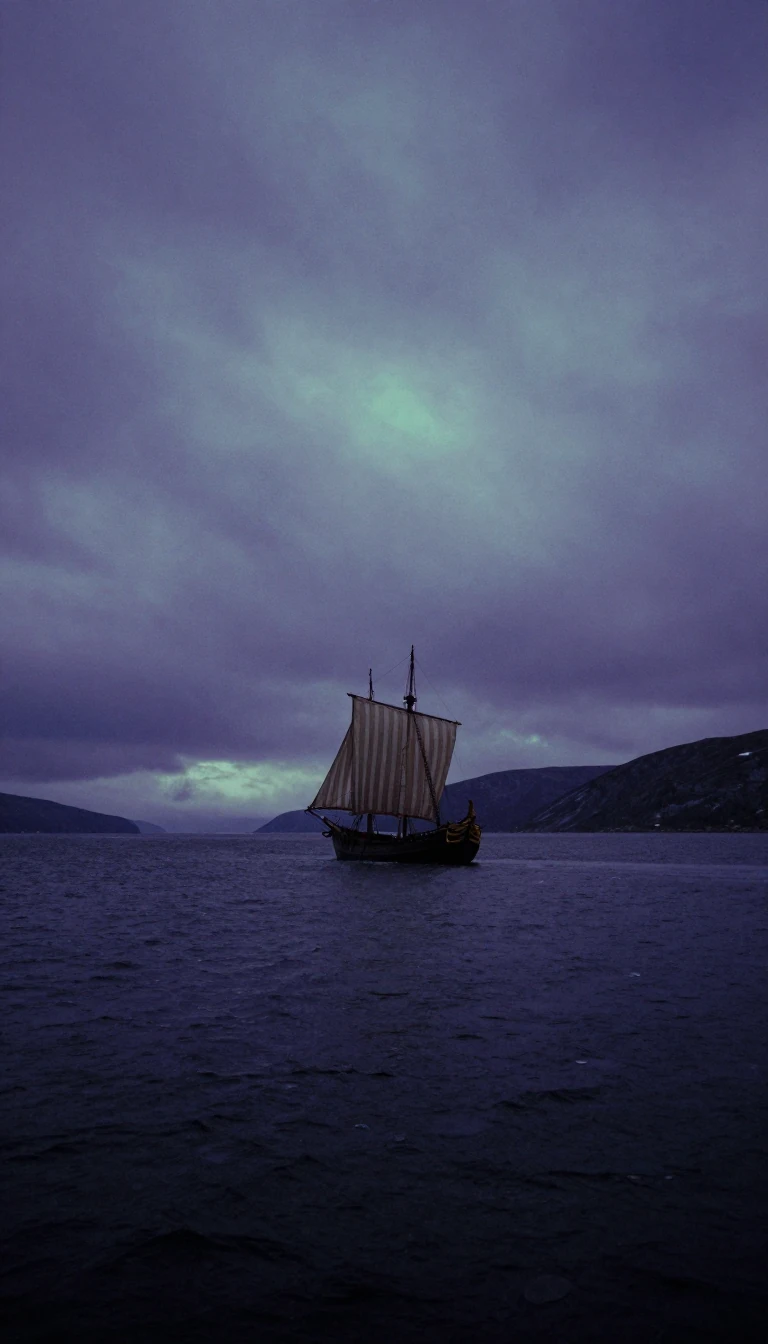
In short: Beyond the famous raids for gold and silver, the Viking Age was fueled by a massive international slave trade. Captives were trafficked from the Baltic to the Abbasid Caliphate, exchanging human lives for silver dirhams and silk in a complex, multi-continental network of commerce.
In the rigid social hierarchy of the Viking Age, the thrall occupied the lowest tier, below the freeman (karl) and the nobleman (jarl). These individuals were considered property rather than people, though Germanic law provided a 'weregild'—a monetary penalty—if they were unlawfully killed. While some households owned as many as thirty slaves, most families typically managed only one or two.
The acquisition of thralls was diverse. A person could become enslaved through warfare, by being sentenced for a crime, or by voluntarily entering 'Flatföring' to escape debt or poverty. Once captured in war, if not ransomed by their community, they became legitimate targets for enslavement. As the Nordic countries unified, the focus shifted from local tribal warfare to large-scale raids across Europe to secure a steady supply of captives.
This trade was a cornerstone of the Viking economy, connecting Scandinavia to the Islamic world. Through routes like the Volga trade route, slaves were exchanged for Arab silver dirhams and silk. This lucrative commerce is evidenced by massive silver hoards, such as the Spillings Hoard, found in Scandinavia. By the 11th century, this era of raiding began to fade, replaced by shifting economic models where renting land to free farmers became more profitable than maintaining a slave-based workforce.
Social mobility existed, albeit slowly. A freedman, or 'leysingi', occupied an intermediary status, remaining tied to their former master's interests for at least two generations before becoming a full freeman. In some instances, privileged thralls known as 'fostre' could marry free people, ensuring their children were born free.
Opens the Intellect+ feed with this card first. Swipe up for the next one.
Sources
- Summary by Intellect · source: Thrall
To cite this card, link to https://intellectplus.co.uk/app/culture-thrall.
How we source, check and correct cards: Editorial standards.
General information, not professional advice. Spotted an error? Flag the card or see corrections and complaints.
Intellect Plus is a visual educational discovery platform for exploring fascinating facts and ideas. Brain Food, Not Brain Rot. What is Intellect Plus?
Related
More in Traditions & customs · More in Cultures · Latest · A–Z · All topics
