Why the Roman god of fire was both a master builder and a menace
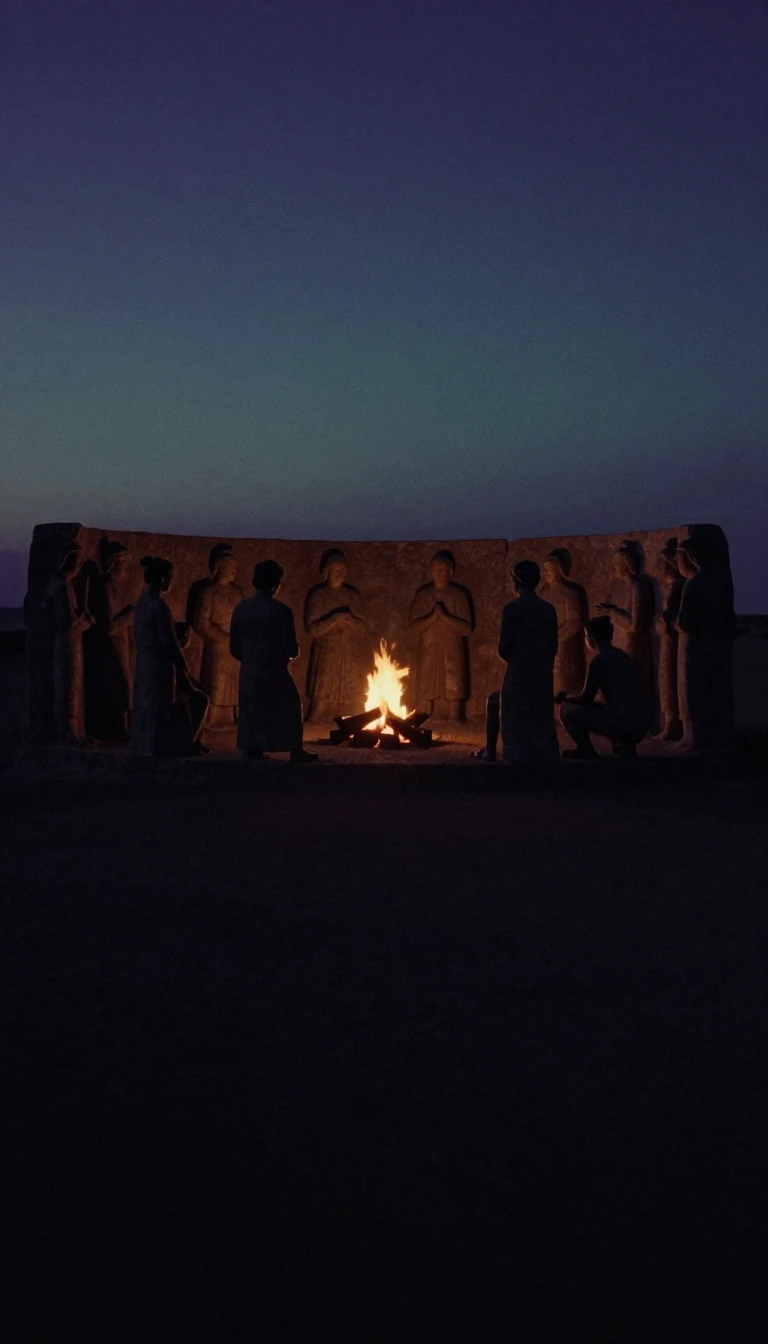
In short: Vulcan was far more than a simple blacksmith. While he forged divine armor and jewelry, he also embodied the volatile, dual nature of fire itself. Romans worshipped him to harness his creative power for metalworking, yet simultaneously feared his capacity to reduce their entire city to ash and ruin.
At the core of Roman religion, Vulcan represented the paradoxical essence of fire. He was the god of the forge and metalworking, yet he was also a destructive force that required constant appeasement. His oldest sanctuary, the Vulcanal, stood at the base of the Capitoline Hill and was traditionally linked to the 8th-century BC Sabine king Titus Tatius. Because of the constant threat of urban fires, the Romans often positioned his shrines outside the city limits, a practice that reflected a desire to keep his volatile influence at a safe distance from the heart of Rome.
The god's influence extended into the agricultural cycle, particularly during the heat of August. The annual festival of the Vulcanalia, held on August 23, occurred when crops and granaries were most vulnerable to combustion. During these rites, Romans sacrificed small animals or fish to the flames to satisfy the god's hunger, hoping to protect their harvest from accidental fires. This date sat within a broader calendar of agrarian rituals, marking a period where human labor and the raw power of nature intersected, requiring divine protection from the excessive heat and wind of the late summer.
Beyond his role as a master of fire, Vulcan was deeply connected to themes of fertility and royal lineage. Myths often portrayed him as the father of legendary figures like Caeculus and Servius Tullius, with his fertilizing power frequently linked to the hearth—the domestic center of the home. In these stories, sparks or embers from the hearth were said to impregnate mortal women, linking the god to the continuity of kingship. This domestic fire was seen as a counterpart to the destructive fire of the forge, illustrating the complex, multifaceted identity of a deity who could both create civilizations and consume them.
Opens the Intellect+ feed with this card first. Swipe up for the next one.
Sources
- Summary by Intellect · source: Vulcan (mythology)
To cite this card, link to https://intellectplus.co.uk/app/ideas-vulcan-mythology.
How we source, check and correct cards: Editorial standards.
General information, not professional advice. Spotted an error? Flag the card or see corrections and complaints.
Intellect Plus is a visual educational discovery platform for exploring fascinating facts and ideas. Brain Food, Not Brain Rot. What is Intellect Plus?
Related
More in Mythology · More in Ideas & Philosophy · Latest · A–Z · All topics
