The Renaissance polymath who bridged the gap between medieval medicine and modern science
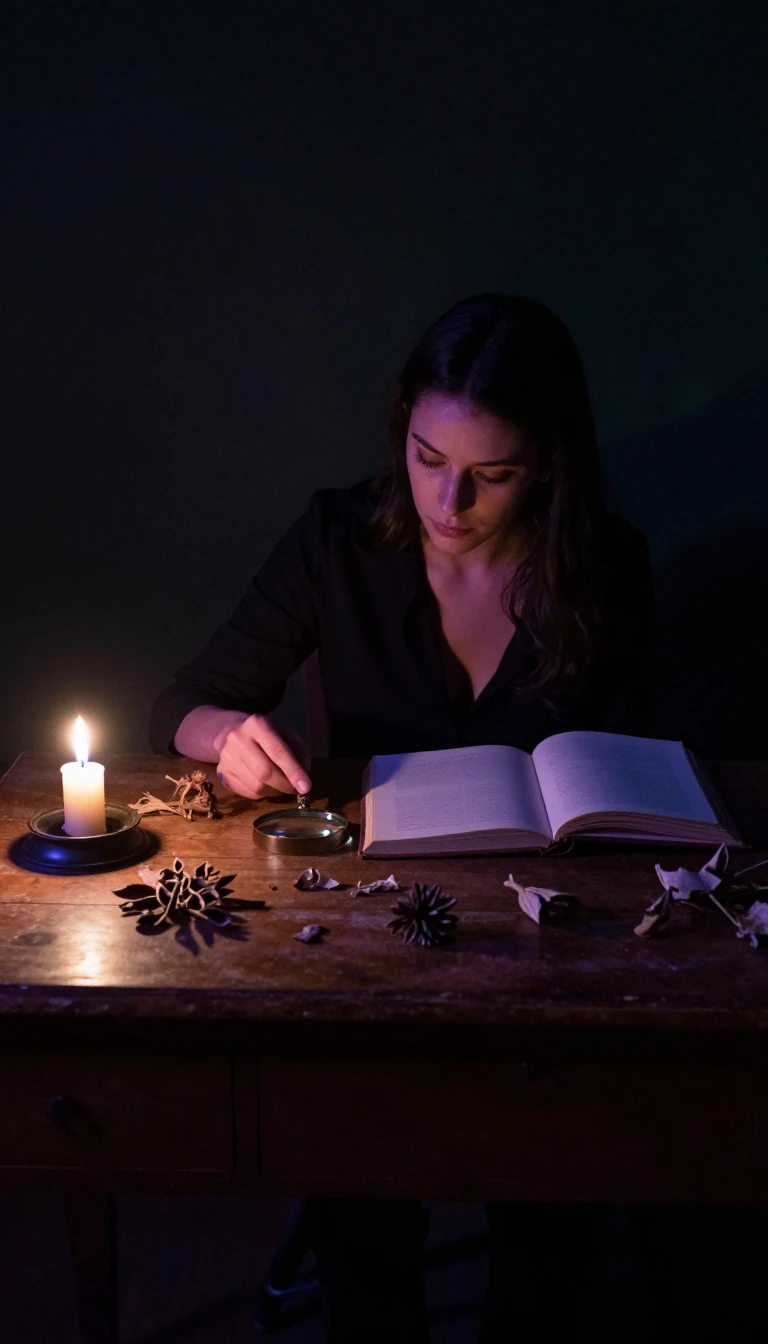
In short: Yuriy Drohobych was a 15th-century intellectual who mastered astronomy, medicine, and philosophy. As rector of Bologna University and physician to the Polish king, he helped shape the European Renaissance. His work in predicting eclipses and publishing early printed texts laid the essential foundations for a burgeoning Ukrainian cultural identity.
Born in the Kingdom of Poland around 1450, Yuriy Drohobych—also known as Kotermak—emerged as a towering figure of the 15th century. After earning his master's degree at Kraków's Jagiellonian University in 1473, he traveled to Italy to study at Bologna University. There, he immersed himself in natural philosophy, medicine, and astronomy under the tutelage of Girolamo Manfredi. By 1481, at age thirty, he was elected rector of the school of Medicine and Free Arts, a position that granted him significant administrative and legal authority over the university's faculty and students.
Drohobych’s intellectual output was defined by the era's fluid boundaries between disciplines. He viewed medicine not merely as the administration of drugs, but as 'physic'—a practice rooted in natural philosophy aimed at preserving health and prolonging life through harmony with nature. His 1483 publication, 'Iudicium Pronosticon Anni 1483 Currentis,' showcased his mathematical prowess. It included accurate lunar eclipse predictions and lunar phase charts, while also serving as a pioneer in mapping geographic coordinates for various European cities. Though his longitude calculations were imperfect, his work demonstrated a profound belief that the human mind could decode the patterns and laws of the natural world.
Returning to Kraków in 1486, Drohobych became a professor of medicine and eventually the personal physician to King Casimir IV Jagiellon. Beyond his scientific contributions, he was a pivotal cultural figure, publishing early texts in Church Slavonic and Ukrainian, such as the 'Horologion' and 'Triodion.' These works provided a vital intellectual anchor for Ukrainian identity during a period of systemic educational decay. By the time of his death in 1494, Drohobych had successfully introduced humanistic ideals to his homeland, creating a legacy that sustained philosophical and cultural development for centuries to come.
Opens the Intellect+ feed with this card first. Swipe up for the next one.
Sources
- Summary by Intellect · source: Yuriy Drohobych
To cite this card, link to https://intellectplus.co.uk/app/ideas-yuriy-drohobych.
How we source, check and correct cards: Editorial standards.
General information, not professional advice. Spotted an error? Flag the card or see corrections and complaints.
Intellect Plus is a visual educational discovery platform for exploring fascinating facts and ideas. Brain Food, Not Brain Rot. What is Intellect Plus?
Related
More in Philosophers · More in Ideas & Philosophy · Latest · A–Z · All topics
