The zither is not just one instrument, but a vast family of stringed wonders.
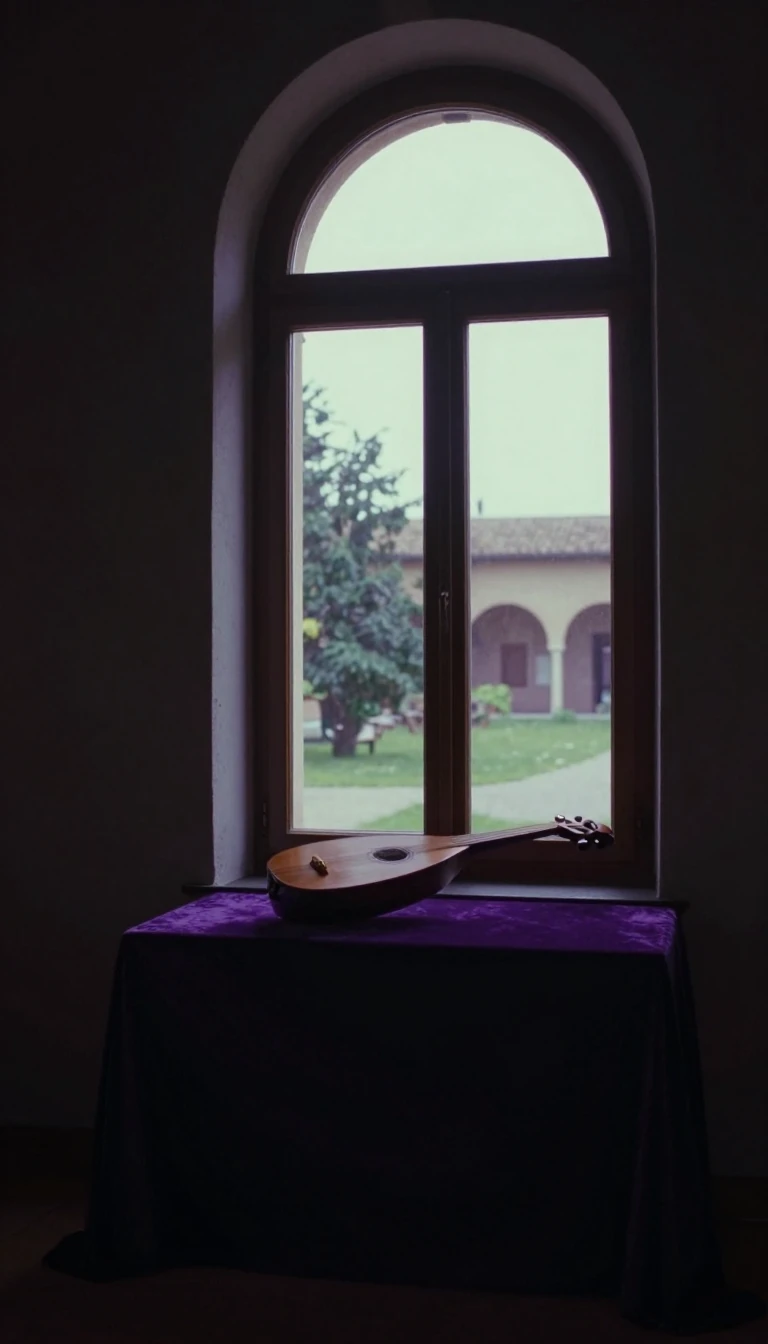
In short: Often mistaken for a simple folk relic, the zither is a diverse class of instruments ranging from the ancient Chinese guqin to the modern concert zither. Whether played flat on a table or across the lap, these resonating chambers lack a neck, defying the standard anatomy of guitars and lutes.
The term zither encompasses any stringed instrument where the strings do not extend beyond the sounding box. This broad classification, defined by the Hornbostel–Sachs system, includes diverse instruments like the hammered dulcimer, koto, and even the piano. While the earliest surviving member is the fretless Chinese guqin from 433 BC, the European concert zither evolved from older, simpler folk instruments like the scheitholt. By the 19th century, innovations by Nikolaus Weigel and luthier Max Amberger transformed these crude designs into the sophisticated concert zithers we recognize today, featuring fretted fingerboards and dozens of strings.
The concert zither’s cultural footprint is surprisingly deep. It became a household staple in Alpine regions during the 19th century, championed by virtuosos like Johann Petzmayer. In the United States, the instrument enjoyed two distinct waves of popularity: first as a parlor instrument in the late 19th century, and later as a global sensation following the 1949 film The Third Man. Anton Karas, who performed the film's iconic soundtrack, used a custom instrument tuned a semi-tone lower to achieve a gritty, expressive sound that director Carol Reed famously described as 'gritty and dirty.'
Despite its historical prestige, the zither remains a challenging instrument to master. Because it requires advanced technique, many instruments sold in the past were relegated to ornamental use. This led to various attempts to simplify the experience, such as the invention of the autoharp. Today, the zither survives through a small community of dedicated musicians and the enduring influence of its playing style. Even modern guitarists like Jeff Healey have utilized zither-like techniques, placing the instrument flat on the lap to redefine how we approach stringed performance in the contemporary era.
Opens the Intellect+ feed with this card first. Swipe up for the next one.
Sources
- Summary by Intellect · source: Zither
To cite this card, link to https://intellectplus.co.uk/app/ideas-zither.
How we source, check and correct cards: Editorial standards.
General information, not professional advice. Spotted an error? Flag the card or see corrections and complaints.
Intellect Plus is a visual educational discovery platform for exploring fascinating facts and ideas. Brain Food, Not Brain Rot. What is Intellect Plus?
Related
More in Writers · More in Ideas & Philosophy · Latest · A–Z · All topics
