The Russian balalaika: A triangle of folk history and complex acoustics
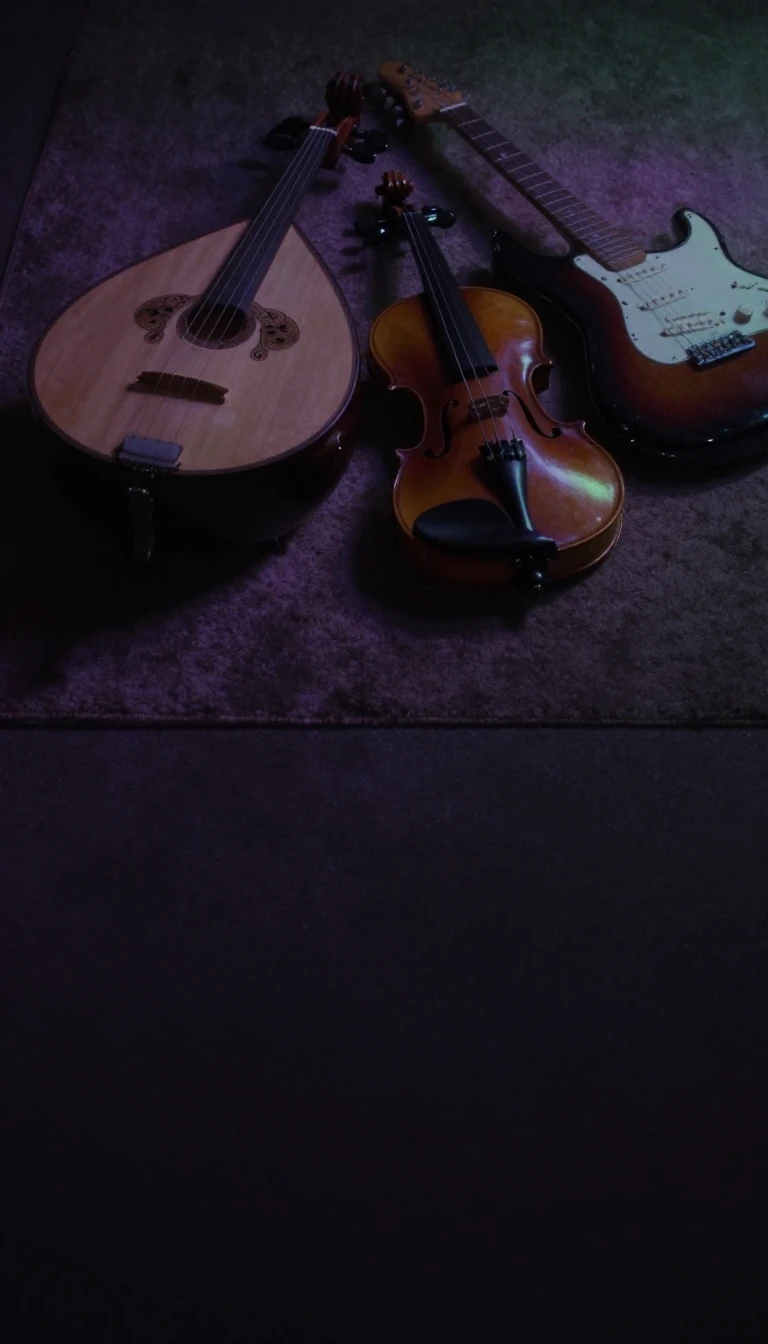
In short: While its distinctive triangular body makes the balalaika instantly recognizable, this Russian lute is a masterclass in acoustic engineering. From its 17th-century origins to its role in massive orchestras, it balances unique structural constraints with sophisticated tuning systems that challenge our standard definitions of musical perfection.
The balalaika belongs to the chordophone family, specifically categorized as a lute based on how its strings are positioned relative to its body. Its signature design features a triangular hollow body—often constructed from spruce or fir tops and maple backs—and a fretted neck. Because the instrument naturally produces a short sustain, performers must employ rapid strumming or plucking techniques to maintain melodic flow. This structural choice has led to various sizes, ranging from the rare piccolo to the floor-standing contrabass.
Historically, the balalaika's presence in Russia is documented as early as 1688, with Peter the Great even requesting performers for a Saint Petersburg wedding in 1700. While it is a staple of folk music and dance, the 20th century saw the rise of large balalaika orchestras that perform arranged classical works. These ensembles utilize different sizes to create a full symphonic range, though purists often distinguish between traditional tunings and 'guitar-style' adaptations meant for easier transition by other instrumentalists.
The physics of the balalaika involves a constant negotiation between mathematical theory and human perception. While systems like the Pythagorean or equal-tempered scales provide a framework, string players often operate in the 'spaces between notes.' This is because pressing a string against a fret stretches it, slightly sharpening the pitch. Furthermore, while some tunings are fixed, others allow for microtonal variations—similar to techniques found on the Japanese koto or Vietnamese dan bau—where the player manipulates the physical tension of the strings to produce nuanced nuances.
Opens the Intellect+ feed with this card first. Swipe up for the next one.
Sources
- Summary by Intellect · source: Balalaika | History, Characteristics, & Facts | Britannica
- Also: Balalaika
To cite this card, link to https://intellectplus.co.uk/app/music-balalaika.
How we source, check and correct cards: Editorial standards.
General information, not professional advice. Spotted an error? Flag the card or see corrections and complaints.
Intellect Plus is a visual educational discovery platform for exploring fascinating facts and ideas. Brain Food, Not Brain Rot. What is Intellect Plus?
Related
More in Music · More in Music · Latest · A–Z · All topics
