How Chopin reinvented the narrative power of the piano through his four legendary ballades
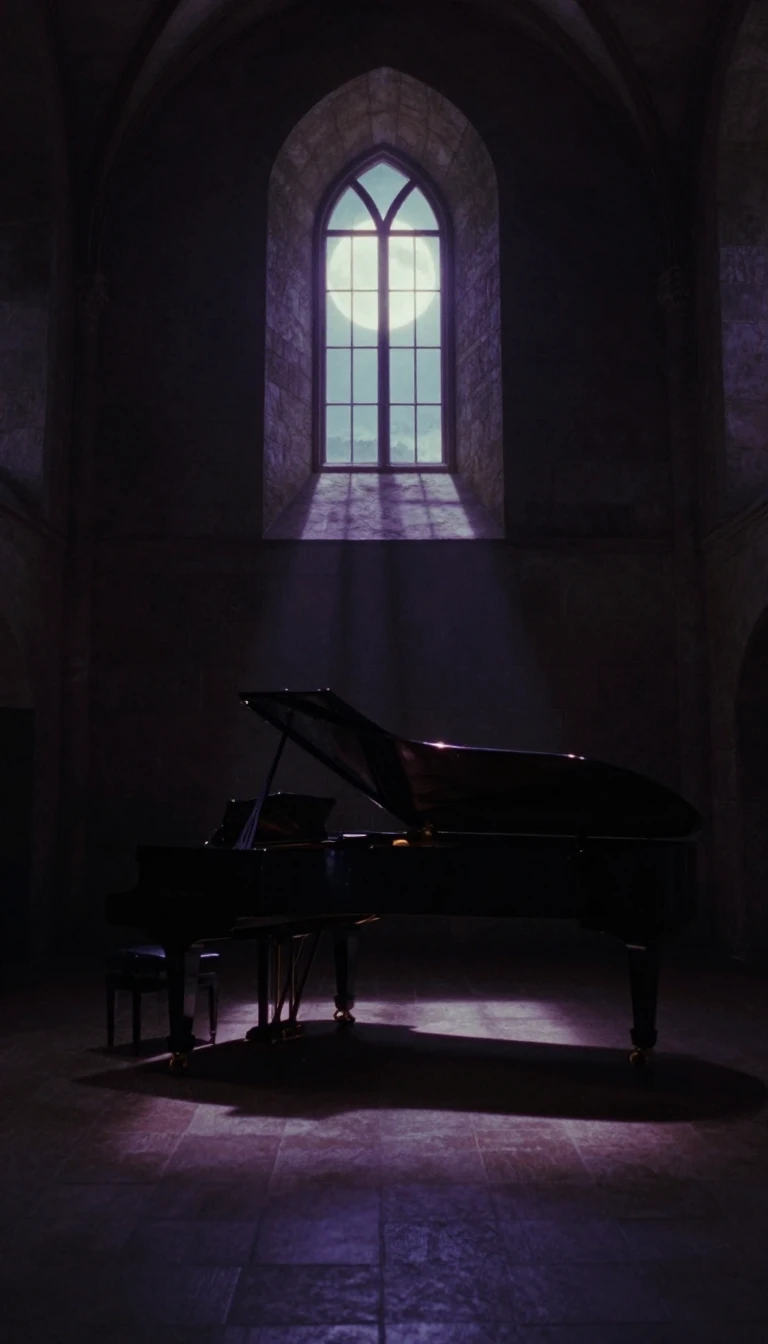
In short: Between 1831 and 1842, Frédéric Chopin transformed the solo piano repertoire with four monumental ballades. By blending dance-like elegance with the dramatic weight of heroic minstrel songs, he pioneered an abstract musical form that challenged traditional structures and influenced generations of composers, from Franz Liszt to Johannes Brahms.
Chopin’s four ballades stand as pillars of the piano repertoire, yet their origins remain shrouded in mystery. While the term ballade historically referred to dance-like interludes or medieval narrative songs, Chopin adapted the concept into a unique, abstract musical form. It is widely believed that his friend, the poet Adam Mickiewicz, provided the initial inspiration for these works, though the specific literary or narrative connections for each piece are not definitively documented. This ambiguity allows the music to speak for itself, transcending simple storytelling to achieve a profound, romantic nobility.
Structurally, these works are notable for their departure from rigid conventions. While they share a common meter—typically 6/4 or 6/8—and a tendency to delay the structural dominant, they are not strictly sonata-form compositions. Instead, Chopin employed a variant of the sonata form characterized by a mirror reprise, where the two primary themes are presented in reverse order during the recapitulation. This formal innovation creates a sense of narrative evolution that distinguishes each ballade as a distinct entity, despite their shared technical and emotional depth.
The legacy of these pieces is immense, having set a standard for technical and expressive difficulty that continues to define the careers of elite pianists. Composers like Franz Liszt and Johannes Brahms were directly inspired to create their own ballades after engaging with Chopin’s work. Today, these compositions remain essential benchmarks for performers, with recordings by artists such as Arthur Rubinstein, Martha Argerich, and Krystian Zimerman—whose interpretation for Deutsche Grammophon is frequently cited as a definitive reference—continuing to shape how we understand this pinnacle of romantic piano music.
Opens the Intellect+ feed with this card first. Swipe up for the next one.
Sources
- Summary by Intellect · source: Ballades (Chopin)
To cite this card, link to https://intellectplus.co.uk/app/music-ballades-chopin.
How we source, check and correct cards: Editorial standards.
General information, not professional advice. Spotted an error? Flag the card or see corrections and complaints.
Intellect Plus is a visual educational discovery platform for exploring fascinating facts and ideas. Brain Food, Not Brain Rot. What is Intellect Plus?
Related
More in Music · More in Music · Latest · A–Z · All topics
