Why Elgar's Cello Concerto took decades to find its place in musical history
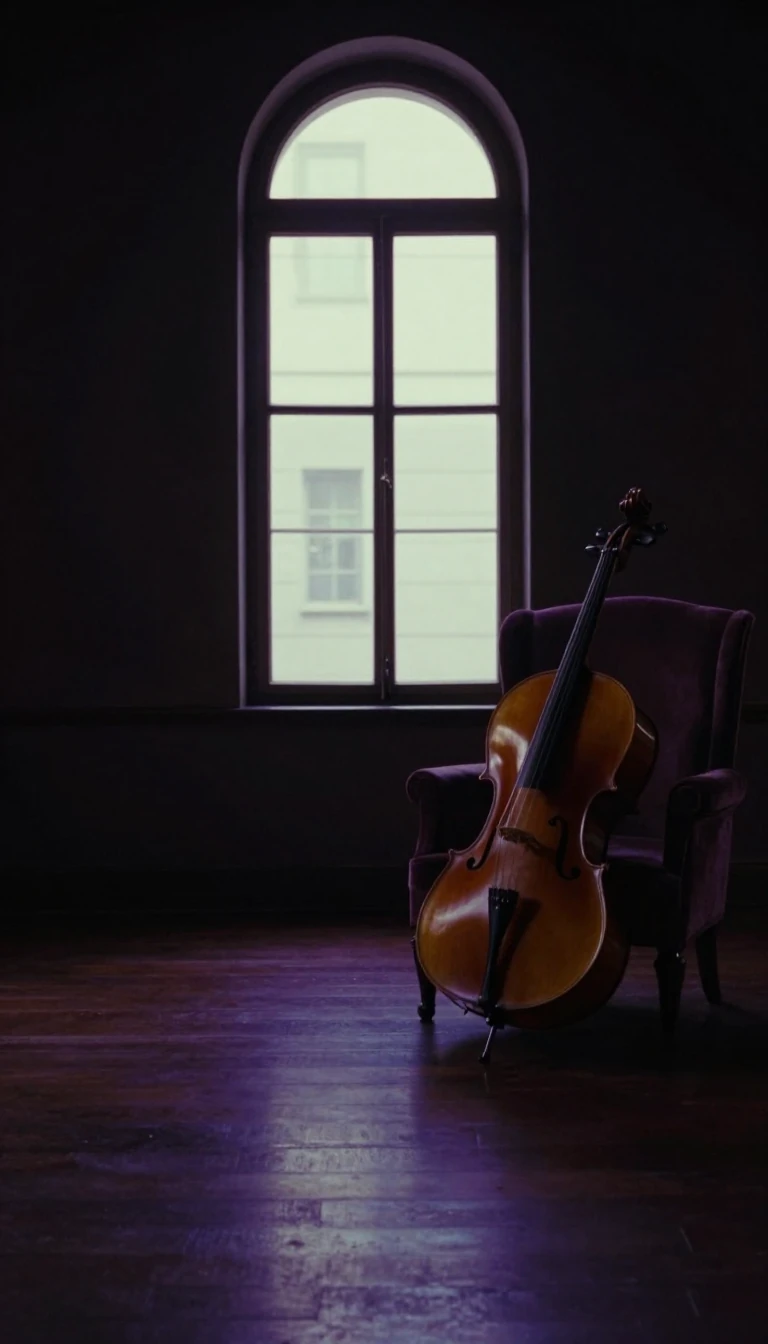
In short: Edward Elgar's Cello Concerto in E minor is now a staple of the international repertoire, yet its 1919 premiere was a notorious disaster. Initially dismissed as old-fashioned and melancholy, the work only achieved widespread acclaim decades later, largely thanks to a transformative 1965 recording by Jacqueline du Pré.
Composed in the aftermath of the First World War, the Cello Concerto reflects a shift in Elgar's style toward a profound, elegiac simplicity. The work emerged from a period of personal seclusion at the composer's cottage in Sussex, following a 1918 surgery. Despite its eventual status as a cornerstone of the solo cello repertoire, the concerto's debut at the London Symphony Orchestra's 1919–20 season opening was marred by inadequate rehearsal time. The conductor Albert Coates reportedly overran his allotted time, leaving Elgar's work under-prepared and resulting in a performance that critics described as a lamentable exhibition.
For years, the concerto struggled to gain traction. Early international performances, including a 1922 premiere in New York, were met with little enthusiasm, with critics labeling the work depressing or thin. By the mid-20th century, however, perception began to shift. In 1955, The Record Guide noted the work's irresistible appeal, though it cautioned that the solo part required a reserved dignity that was uniquely English. The turning point arrived in 1965 with the EMI recording featuring Jacqueline du Pré and conductor Sir John Barbirolli, which captivated global audiences and solidified the concerto's reputation.
Today, the concerto is frequently performed alongside Dvořák's Op. 104. Its structure is marked by a distinctive recitative opening and a complex interplay between the solo cello and the orchestra. The work concludes by revisiting themes from earlier movements, building tension until the final three chords. While early recordings were infrequent, the LP era sparked a surge in interest, leading to more than seventy issued recordings by renowned cellists, including Mstislav Rostropovich, Yo-Yo Ma, and Sheku Kanneh-Mason. Modern critical consensus, including recommendations from the BBC and The Penguin Guide, continues to highlight the enduring power of the 1965 du Pré interpretation.
Opens the Intellect+ feed with this card first. Swipe up for the next one.
Sources
- Summary by Intellect · source: Cello Concerto (Elgar)
To cite this card, link to https://intellectplus.co.uk/app/music-cello-concerto-elgar.
How we source, check and correct cards: Editorial standards.
General information, not professional advice. Spotted an error? Flag the card or see corrections and complaints.
Intellect Plus is a visual educational discovery platform for exploring fascinating facts and ideas. Brain Food, Not Brain Rot. What is Intellect Plus?
Related
More in Music · More in Music · Latest · A–Z · All topics
