From Medieval Courtly Love to Parisian Cabarets: The Evolution of the French Chanson
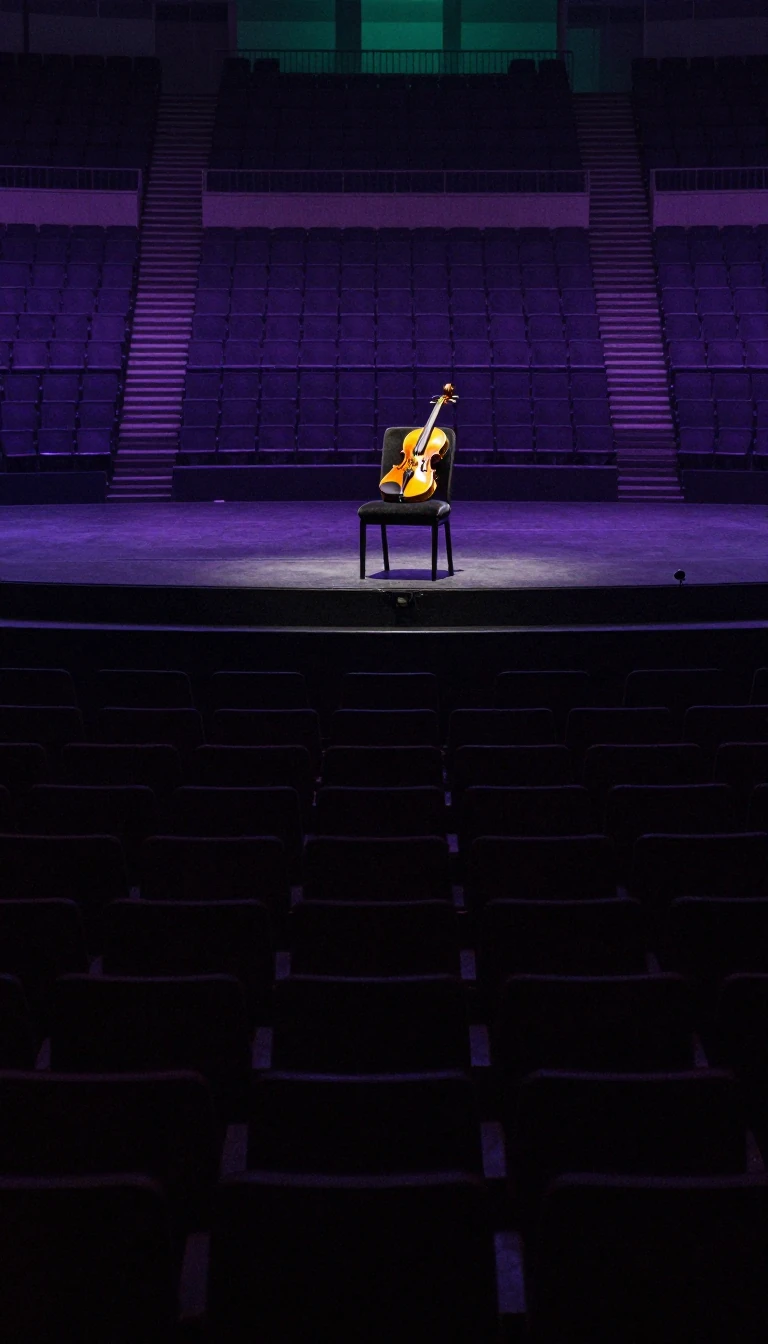
In short: The French chanson is far more than a simple song. Spanning from the 12th-century monophonic melodies of troubadours to the gritty, realist cabaret performances of the 20th century, this enduring musical tradition has constantly reinvented itself, shifting from rigid courtly structures to the expressive, polyphonic masterpieces of the Renaissance.
The term chanson, literally meaning song in French, encompasses a vast history of vocal music. Its origins trace back to the 12th century, where monophonic melodies were performed by trouvères and troubadours. These early works, often centered on the themes of courtly love, were preserved in manuscript collections known as chansonniers. By the 14th century, the composer Guillaume de Machaut elevated the form, introducing polyphonic complexity that would define the genre for generations.
During the late Middle Ages and early Renaissance, the chanson was dominated by the formes fixes—the ballade, rondeau, and virelai. These structured compositions were designed for a sophisticated court audience. However, by the late 15th century, composers like Josquin des Prez began moving away from these strict patterns. This transition favored a more fluid, polyphonic style where multiple voices shared melodic material, eventually leading to the four-voice textures that became standard by the 16th century.
The genre continued to evolve through the Parisian chanson, which favored simpler, homophonic styles, and later, the air de cour of the 17th century. By the 19th century, the chanson experienced a renaissance through salon melodies influenced by German Lieder. This eventually paved the way for the chanson réaliste, a genre emerging in the 1880s from the cabarets of Montmartre. Performers like Édith Piaf used this medium to depict the lives of the working class, marking a dramatic shift from the aristocratic origins of the medieval court.
Why this matters is found in the chanson's ability to mirror the cultural shifts of France. Whether through the formal control of the Renaissance or the naturalist movements of the 20th century, the chanson has remained a vital vessel for French identity. It bridges the gap between high art and popular expression, proving that a simple song can carry the weight of centuries of social and artistic change.
Opens the Intellect+ feed with this card first. Swipe up for the next one.
Sources
- Summary by Intellect · source: Chanson | French Vocal Music, Medieval Ballads & Troubadours | Britannica
- Also: Chanson
To cite this card, link to https://intellectplus.co.uk/app/music-chanson.
How we source, check and correct cards: Editorial standards.
General information, not professional advice. Spotted an error? Flag the card or see corrections and complaints.
Intellect Plus is a visual educational discovery platform for exploring fascinating facts and ideas. Brain Food, Not Brain Rot. What is Intellect Plus?
Related
More in Music · More in Music · Latest · A–Z · All topics
