Bach's Cello Suites: A masterpiece of dance and silence shrouded in historical mystery
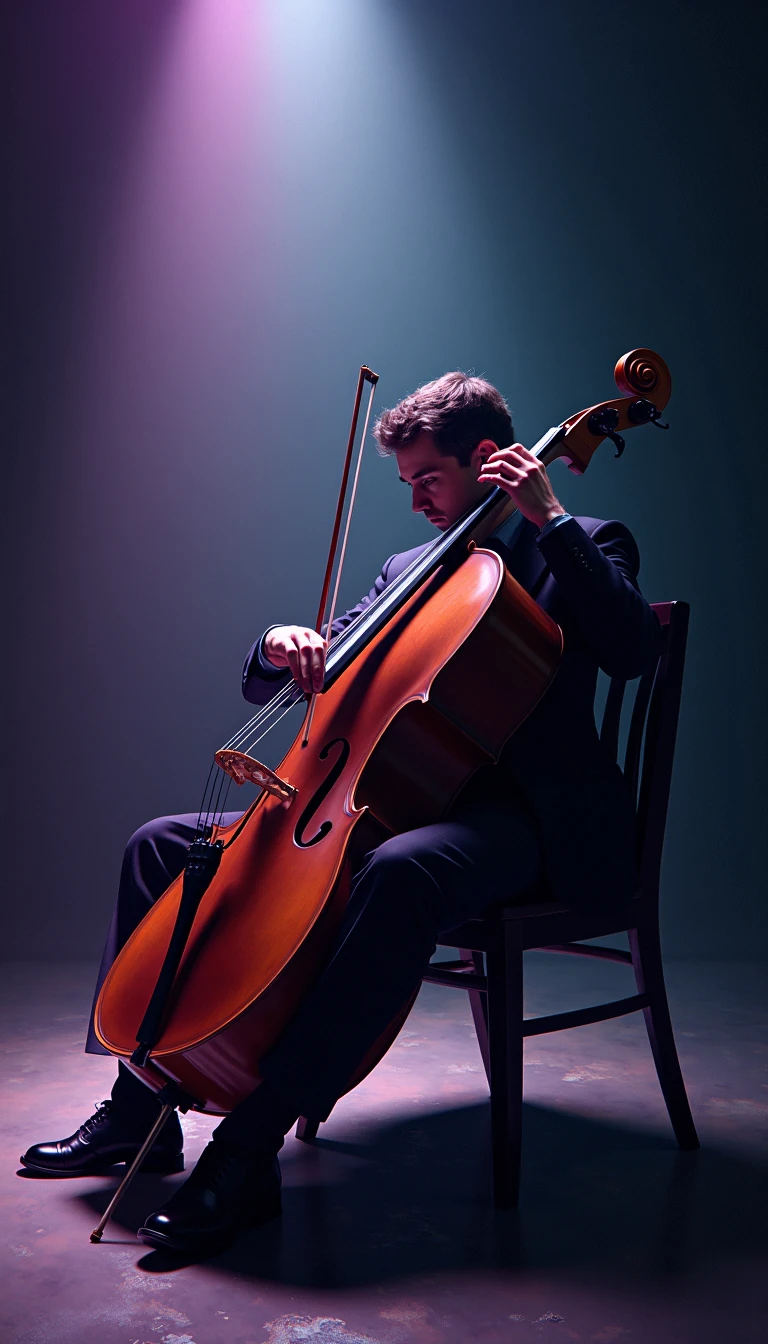
In short: For centuries, Johann Sebastian Bach's six cello suites remained largely forgotten, their origins and intended instruments debated by scholars. Today, they are considered pinnacle achievements of classical music, yet they survive only through ambiguous manuscripts that leave performers guessing about the composer's true intentions for dynamics, bowing, and even instrumentation.
Composed between 1717 and 1723 while Bach served as Kapellmeister in Köthen, the six suites were not widely known until the early 20th century. Their modern revival is largely credited to Pablo Casals, who discovered an edition by Friedrich Grützmacher in a Barcelona thrift shop in 1889. Casals eventually became the first to record all six suites, a project he completed between 1936 and 1939 at Abbey Road Studios and in Paris.
The suites present a unique interpretive challenge because no autograph manuscript survives. Performers rely on copies, most notably by Bach's second wife, Anna Magdalena. These documents lack essential performance markings like dynamics and bowings, leading to intense scholarly debate. Some researchers suggest the suites were not written for the modern cello played between the legs, but for a shoulder-held instrument known as the violoncello da spalla. Others have even speculated, though with little evidence, that Anna Magdalena herself may have composed the works, a theory widely dismissed by musicologists.
Structurally, the suites are highly consistent, each following a six-movement pattern: prelude, allemande, courante, sarabande, a pair of dances, and a final gigue. While the prelude of Suite No. 1 is globally recognizable, other movements offer profound emotional depth, such as the sarabande of Suite No. 5. Mstislav Rostropovich famously described this movement as the essence of Bach's genius, sometimes performing it with extreme slowness to emphasize its silence. Suite No. 6, meanwhile, is uniquely virtuosic, often requiring a five-stringed instrument to navigate its expansive range.
The legacy of the suites extends far beyond the cello. They have been transcribed for instruments ranging from the marimba to the electric bass. Despite the lack of an original manuscript, these works remain a cornerstone of the repertoire, continuously analyzed for their harmonic development and their status as a systematically conceived cycle rather than a simple collection of dances.
Opens the Intellect+ feed with this card first. Swipe up for the next one.
Sources
- Summary by Intellect · source: Cello Suites (Bach)
To cite this card, link to https://intellectplus.co.uk/app/music-cello-suites-bach.
How we source, check and correct cards: Editorial standards.
General information, not professional advice. Spotted an error? Flag the card or see corrections and complaints.
Intellect Plus is a visual educational discovery platform for exploring fascinating facts and ideas. Brain Food, Not Brain Rot. What is Intellect Plus?
Related
More in Music · More in Music · Latest · A–Z · All topics
