How Bohemian composers turned a centuries-long struggle for identity into a national musical voice.
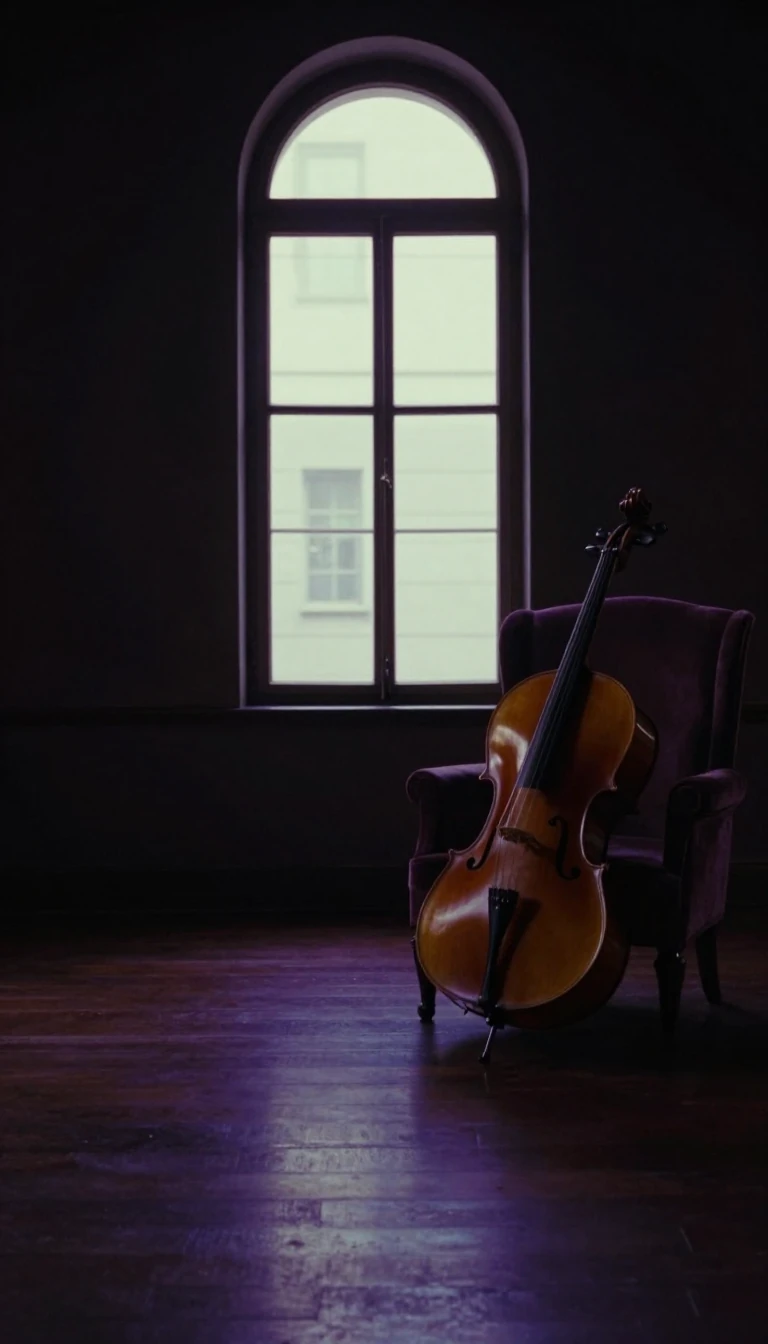
In short: For centuries, Bohemia was a battleground of empires, languages, and religious upheaval. Yet, amidst the shifting borders of the Holy Roman Empire and the dominance of German culture, Czech nationalism found its most potent expression not in politics, but in the soaring, defiant symphonies of its greatest nineteenth-century composers.
The history of Bohemia is defined by its position at the crossroads of Central Europe. As a kingdom within the Holy Roman Empire and later the Austrian Empire, it became a site of intense cultural friction. By the 19th century, German language and influence had dominated the region for nearly two hundred years following the Catholic Habsburg victory in the Thirty Years’ War. This long period of suppression created a profound sense of alienation among the Czech population, who found themselves as a disadvantaged majority within their own historic lands.
The turning point arrived with the revolutions of 1848, which sparked an extraordinary linguistic and cultural revival. This movement sought to reclaim a distinct Czech identity from the shadow of the Austro-German dynasty. Central to this resurgence were figures like the historian František Palacký and, crucially, composers Bedřich Smetana and Antonín Dvořák. Through their music, these artists provided a voice for Czech nationalism, transforming the abstract concept of national pride into a tangible, auditory experience that resonated deeply with the public.
This musical movement was not merely artistic; it was a reclamation of history. As the country navigated the complexities of industrialization and the eventual collapse of the Austro-Hungarian Empire, these composers helped solidify a sense of nationhood that would eventually lead to the formation of Czechoslovakia in 1918. By embedding the spirit of the Czech people into their compositions, Smetana and Dvořák ensured that the Bohemian identity would survive the political upheavals of the 20th century, serving as a cultural anchor during the subsequent decades of Nazi occupation and Soviet-bloc rule.
Opens the Intellect+ feed with this card first. Swipe up for the next one.
Sources
- Summary by Intellect · source: Bohemia | History, Location, & Facts | Britannica
- Also: Duchy of Bohemia
To cite this card, link to https://intellectplus.co.uk/app/music-duchy-of-bohemia.
How we source, check and correct cards: Editorial standards.
General information, not professional advice. Spotted an error? Flag the card or see corrections and complaints.
Intellect Plus is a visual educational discovery platform for exploring fascinating facts and ideas. Brain Food, Not Brain Rot. What is Intellect Plus?
Related
More in Musicians and composers · More in Music · Latest · A–Z · All topics
