How a Czech composer turned the rhythms of everyday speech into revolutionary modern music.
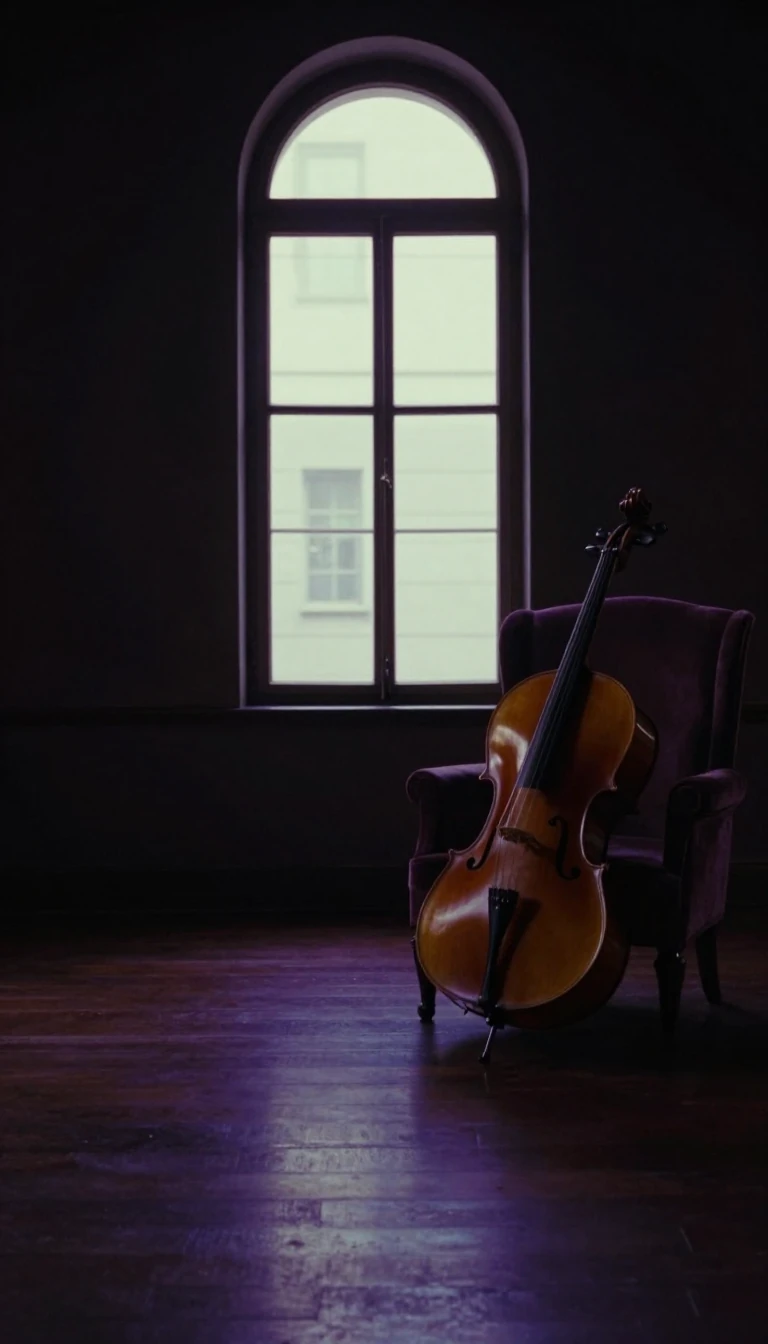
In short: Leoš Janáček spent his life capturing the hidden music in human conversation and folk melodies. By transcribing the pitch and rhythm of spoken language, he created a unique, dramatic style that broke from traditional romanticism. His late-life breakthrough transformed him from an obscure teacher into a world-renowned operatic visionary.
Born in 1854 in Moravia, Leoš Janáček was a lifelong individualist whose path to fame was marked by decades of professional frustration and personal tragedy. While he initially followed the traditional romantic style of contemporaries like Antonín Dvořák, he eventually developed a radical aesthetic based on the scientific study of Moravian folk music and the natural cadence of human speech. He called these rhythmic speech patterns 'nápěvky mluvy', using them to build dramatic, truthful roles that stood apart from the Wagnerian methods dominant at the time.
His career was defined by a late-life explosion of creativity. Despite early successes in Brno, he struggled for years to gain recognition from the influential Prague opera scene. It was not until the 1916 performance of his opera Jenůfa that he finally achieved national acclaim. This breakthrough opened the world's great stages to him, leading to a decade of masterworks including the Sinfonietta, the Glagolitic Mass, and the opera The Cunning Little Vixen. Much of this late output was fueled by his intense, obsessive correspondence with Kamila Stösslová, a woman 38 years his junior who became his primary muse.
Janáček's technical approach was equally unconventional. He utilized 'sčasovky'—small, repeating musical capsules or motifs—to create a sense of cumulative momentum, a technique that has led some to label him an early minimalist. He rejected atonality, insisting that music must maintain a key, yet he expanded tonality through unorthodox chord structures and modal progressions. Even after his death in 1928, his influence persisted, as his works were championed by conductors like Charles Mackerras, who worked to restore his compositions to their original, unrevised forms, cementing his status as one of the most important Czech composers in history.
Opens the Intellect+ feed with this card first. Swipe up for the next one.
Sources
- Summary by Intellect · source: Leoš Janáček
To cite this card, link to https://intellectplus.co.uk/app/music-leo-jan-ek.
How we source, check and correct cards: Editorial standards.
General information, not professional advice. Spotted an error? Flag the card or see corrections and complaints.
Intellect Plus is a visual educational discovery platform for exploring fascinating facts and ideas. Brain Food, Not Brain Rot. What is Intellect Plus?
Related
More in Musicians and composers · More in Music · Latest · A–Z · All topics
