Mozart’s most famous serenade was never intended to be a masterpiece for the ages.
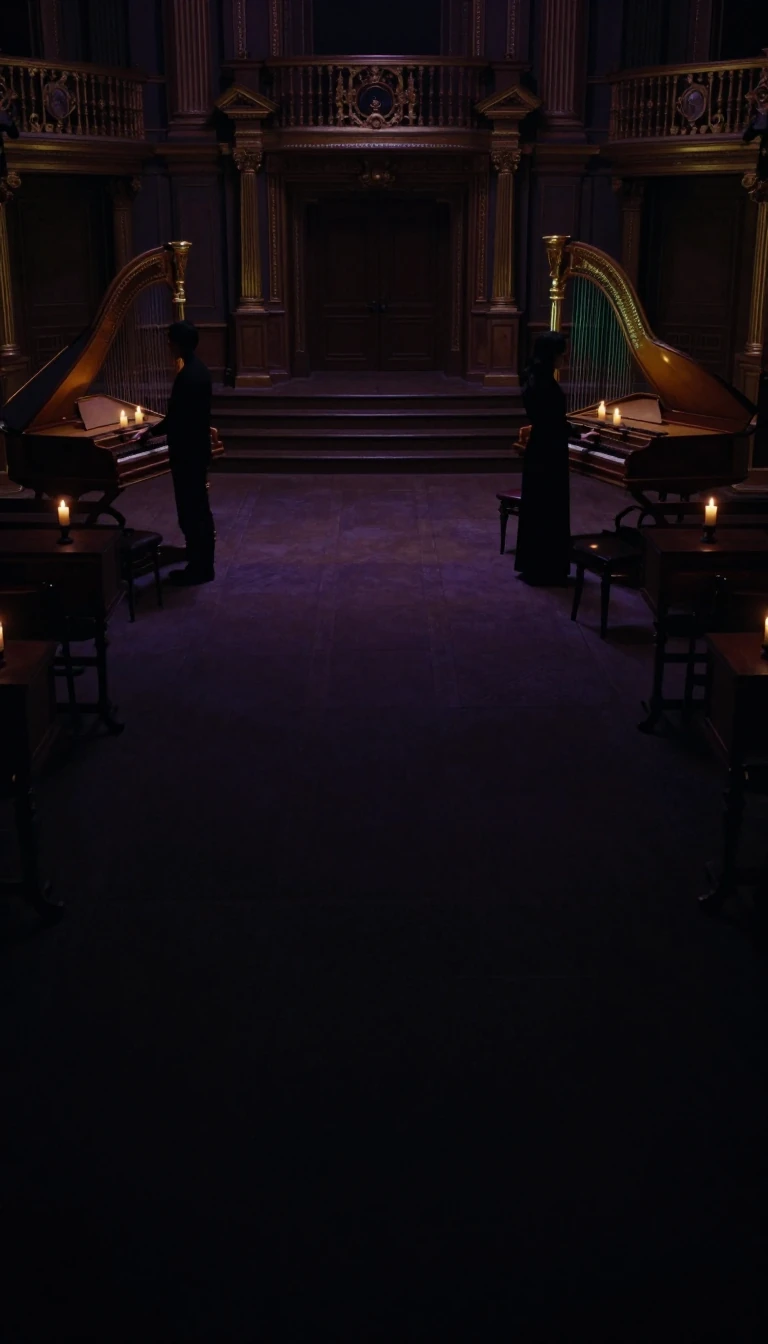
In short: Completed in 1787, Eine kleine Nachtmusik was likely just a routine commission for a social occasion. Despite its humble origins and a missing movement, this lighthearted chamber piece became one of the most iconic works in classical music, even influencing how we perceive the steepness of physical hills.
Wolfgang Amadeus Mozart completed Serenade No. 13 in G Major, K 525, on August 10, 1787, while living in Vienna. At the time, serenades were popular, lucrative works designed for light entertainment in parks and gardens. Mozart’s own catalogue entry for the piece simply described it as a 'little night music,' suggesting he viewed it as a minor, functional composition rather than a magnum opus. The work was not published until about 1827, long after his death, when his widow Constanze sold it to a publisher.
The composition originally featured five movements, but one minuet and trio is now lost. Musicologist Alfred Einstein speculated that a minuet found in a piano sonata by August Eberhard Müller might be the missing piece, though evidence remains limited. Today, the work is typically performed in an orchestral arrangement for string ensembles, despite being written for two violins, viola, cello, and double bass. Its structure includes a bright opening allegro, a lyrical second movement, a minuet, and a brisk rondo finale.
The piece’s enduring fame is bolstered by its ubiquity in modern culture, including its prominent use in the 1984 film Amadeus. Beyond the concert hall, it has appeared in unusual scientific contexts. Researchers have found that listening to the serenade can affect human perception, with participants rating hills as less steep compared to those listening to Mahler. It has even been studied for its impact on farmed fish, where it was associated with greater weight gain than other sounds.
Opens the Intellect+ feed with this card first. Swipe up for the next one.
Sources
- Summary by Intellect · source: Eine kleine Nachtmusik | Mozart, Meaning, Overview, & Facts | Britannica
- Also: Eine kleine Nachtmusik
To cite this card, link to https://intellectplus.co.uk/app/music-eine-kleine-nachtmusik.
How we source, check and correct cards: Editorial standards.
General information, not professional advice. Spotted an error? Flag the card or see corrections and complaints.
Intellect Plus is a visual educational discovery platform for exploring fascinating facts and ideas. Brain Food, Not Brain Rot. What is Intellect Plus?
Related
More in Music · More in Music · Latest · A–Z · All topics
