Mozart’s final masterpiece was left unfinished, sparking centuries of mystery and musical debate.
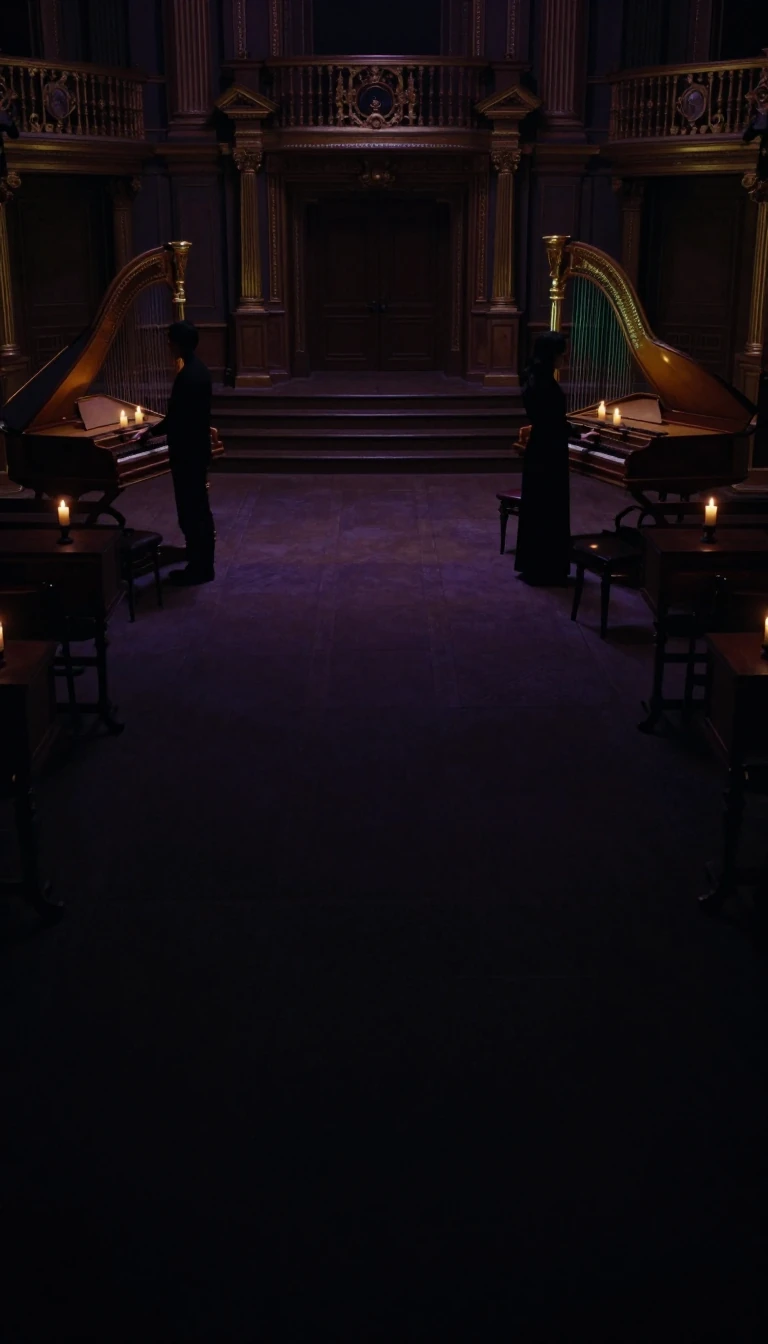
In short: Wolfgang Amadeus Mozart died on December 5, 1791, leaving his Requiem in D Minor incomplete. While his student Franz Xaver Sussmayr finished the work to fulfill a commission, the circumstances surrounding its creation—and the extent of Mozart’s original intent—have fueled intense historical speculation and modern musical reconstruction.
The Requiem in D Minor, cataloged as K 626, stands as one of the most famous compositions in Western music. Mozart, an Austrian composer born in 1756, was a central figure of the Viennese Classical school alongside Haydn and Beethoven. By the time he began the Requiem in late 1791, he had already mastered every musical genre of his era. However, his sudden death in Vienna left the mass unfinished, creating a void that his student, Franz Xaver Sussmayr, eventually filled.
The origins of the commission remain shrouded in legend. Count Franz von Walsegg requested the piece to commemorate his late wife, Anna, who had died at age 20. Walsegg reportedly intended to pass the work off as his own, a common practice for him. Following Mozart’s death, his widow, Constanze, helped propagate stories about a mysterious messenger who commissioned the work, leading to myths that Mozart believed he was composing his own funeral music.
Musically, the work is a complex tapestry. Mozart’s autograph manuscript contains the complete Introit and detailed drafts for the Kyrie, Sequence, and Offertorium. Sussmayr’s completion, which became the standard version for much of the 20th century, relied on these fragments and his own additions. Modern musicologists have since developed at least 19 alternative completions, reflecting ongoing efforts to interpret what Mozart might have intended. The work’s structure, including its use of fugues and specific instrumental scoring, demonstrates the sophisticated command of form that defined Mozart’s career from his early childhood performances in Paris and London to his final days in Vienna.
Opens the Intellect+ feed with this card first. Swipe up for the next one.
Sources
- Summary by Intellect · source: Requiem in D Minor, K 626 | Summary, Mozart, Analysis, & Facts | Britannica
- Also: Requiem (Mozart)
To cite this card, link to https://intellectplus.co.uk/app/music-requiem-mozart.
How we source, check and correct cards: Editorial standards.
General information, not professional advice. Spotted an error? Flag the card or see corrections and complaints.
Intellect Plus is a visual educational discovery platform for exploring fascinating facts and ideas. Brain Food, Not Brain Rot. What is Intellect Plus?
Related
More in Music · More in Music · Latest · A–Z · All topics
