What counts as early music? The answer depends on who you ask
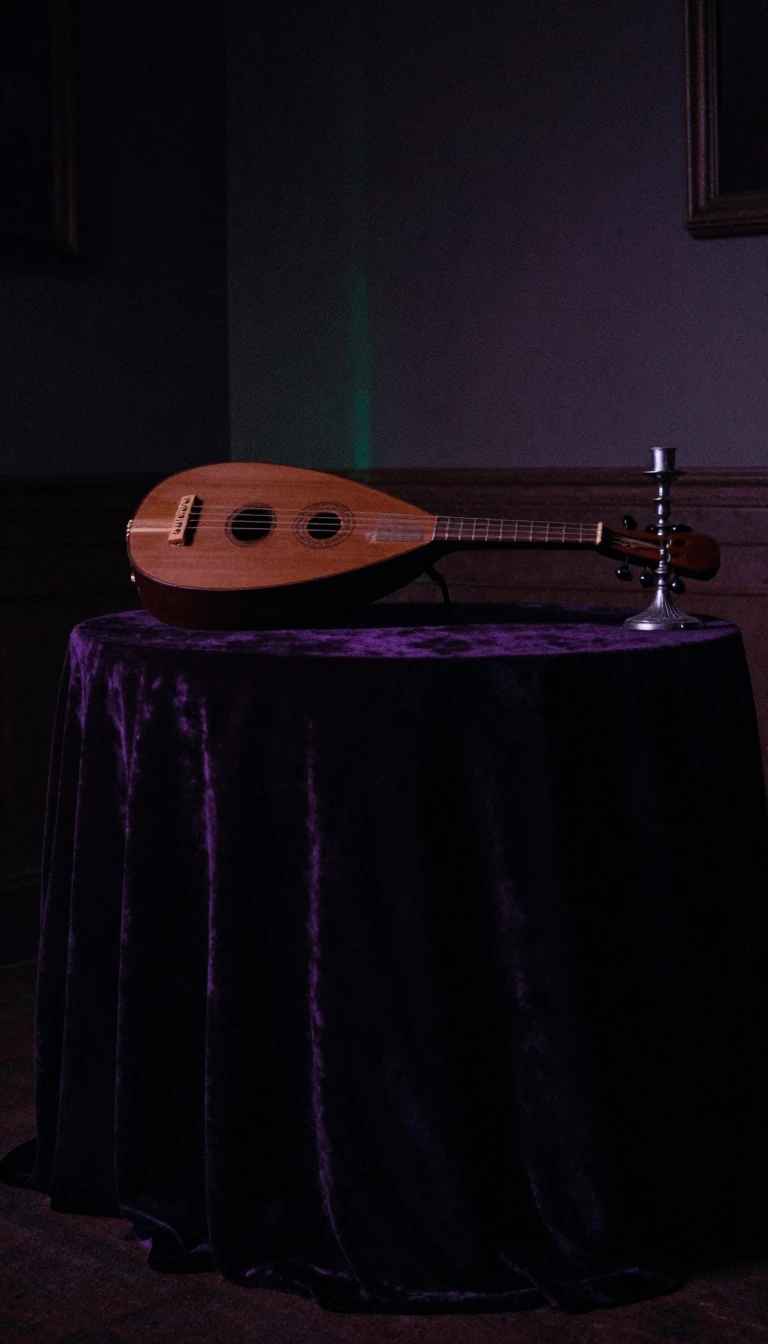
In short: Early music is not just a time period; it is a philosophy of performance. While definitions range from ancient Greece to the Baroque era, the movement is defined by the quest to reconstruct forgotten sounds using historical evidence, period instruments, and a deep, scholarly commitment to original performance styles.
The term early music is notoriously slippery. While it generally encompasses Medieval music from 500 to 1400 and Renaissance music from 1400 to 1600, its boundaries remain a subject of debate. Some definitions, like those from the 1726 Academy of Ancient Music, focus on composers active before the end of the 16th century. Others, including the National Centre for Early Music, extend the range to 1750 to include the Baroque era. Even the starting point is contested, with some scholars arguing it should reach back to the music of ancient Greece and Rome.
Beyond a mere timeline, early music represents a specific approach to performance. Musicologist Thomas Forrest Kelly suggests the movement is fundamentally about the revival of forgotten repertoires. This requires performers to act as researchers, reconstructing styles based on surviving scores, treatises, and contemporary accounts. Because Renaissance notation was often under-prescriptive—relying on a singer's inherent knowledge of counterpoint rather than modern, rigid instructions—performers must use stylistic inference to avoid distorting the music's original openness.
The late 20th century saw a surge in this historically informed performance, fueled by ensembles like the Tallis Scholars and the Early Music Consort. This revival has brought period instruments back to the stage, including the harpsichord, lute, and viol. By moving away from modern interpretations and toward academic musicological research, these performers aim to be faithful to the era in which a piece was conceived. Ultimately, early music is a bridge between modern audiences and a lost world of sound, reconstructed through the careful study of historical evidence.
Opens the Intellect+ feed with this card first. Swipe up for the next one.
Sources
- Summary by Intellect · source: Early music
To cite this card, link to https://intellectplus.co.uk/app/music-early-music.
How we source, check and correct cards: Editorial standards.
General information, not professional advice. Spotted an error? Flag the card or see corrections and complaints.
Intellect Plus is a visual educational discovery platform for exploring fascinating facts and ideas. Brain Food, Not Brain Rot. What is Intellect Plus?
Related
More in Music · More in Music · Latest · A–Z · All topics
