The world's most famous circus theme was originally a serious military march
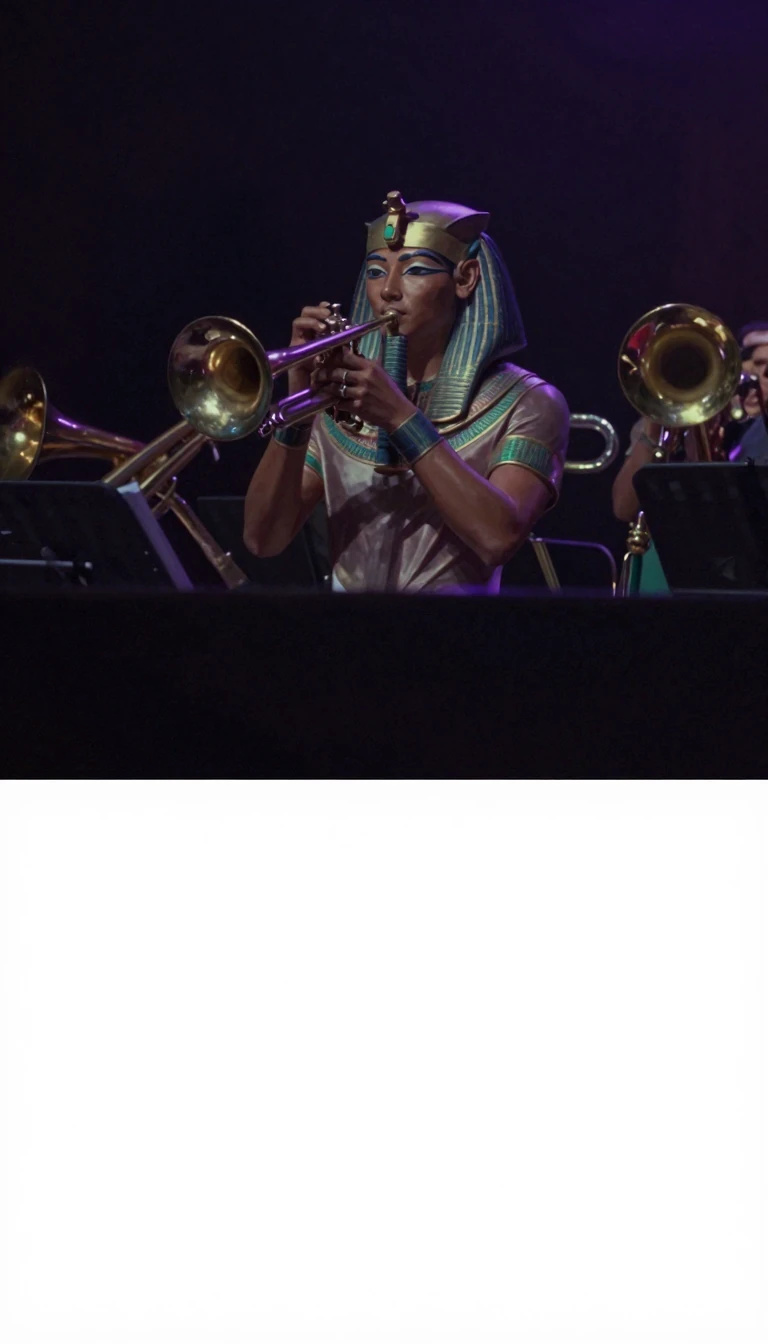
In short: You know the frantic, brassy melody as the soundtrack to clowns and carnivals. Yet, when Julius Fučík composed this piece in 1897, he intended it as a grand, chromatic display of military precision. How did a tribute to Roman gladiators become the universal anthem for circus performers and slapstick comedy?
In October 1897, Julius Fučík, a bandmaster for the Austro-Hungarian Army stationed in Sarajevo, penned a composition he titled Grande Marche Chromatique. Inspired by the vivid depiction of ancient Roman amphitheaters in Henryk Sienkiewicz’s 1895 novel Quo Vadis, Fučík soon rebranded the work as Entrance of the Gladiators. The piece was designed to showcase the technical capabilities of modern brass instruments, which allowed for rapid, fluid chromatic scales across all sections of the band.
The march is structured in three parts: a trumpet-led melody, a low-brass section defined by chromatic runs, and a softer trio featuring woodwinds. While it was intended for standard military tempos, its character shifted dramatically when it reached North America. In 1901, publisher Carl Fischer released an arrangement by Louis-Philippe Laurendeau titled Thunder and Blazes. This version, often played at a frantic pace as a 'screamer' march, became a staple for circuses and carnivals to introduce clowns.
The march’s cultural footprint is vast and often jarring. Beyond the big top, it has been repurposed in dark and disparate contexts. During the 1930s, the SS forced concentration camp prisoners to play the march as they accompanied work details. Decades later, it appeared in films like La Dolce Vita and Killer Klowns from Outer Space, and has been quoted in dozens of songs, from R.E.M. to Gwen Stefani. Despite its grim history and comedic reputation, the piece occasionally returns to its roots, such as during the 2007 Last Night of the Proms.
Today, the melody is so deeply embedded in global culture that it functions as a shorthand for the absurd. Whether it is Judas humming the tune in the film version of Godspell or Marty the Zebra singing 'Afro Circus' in Madagascar 3, the march has transcended its original military purpose. It remains a masterclass in how a musical composition can be stripped of its initial intent and entirely redefined by the environments in which it is performed.
Opens the Intellect+ feed with this card first. Swipe up for the next one.
Sources
- Summary by Intellect · source: Entrance of the Gladiators
To cite this card, link to https://intellectplus.co.uk/app/music-entrance-of-the-gladiators.
How we source, check and correct cards: Editorial standards.
General information, not professional advice. Spotted an error? Flag the card or see corrections and complaints.
Intellect Plus is a visual educational discovery platform for exploring fascinating facts and ideas. Brain Food, Not Brain Rot. What is Intellect Plus?
Related
More in Music · More in Music · Latest · A–Z · All topics
