How Girolamo Frescobaldi transformed keyboard music from rigid imitation into expressive, dramatic art.
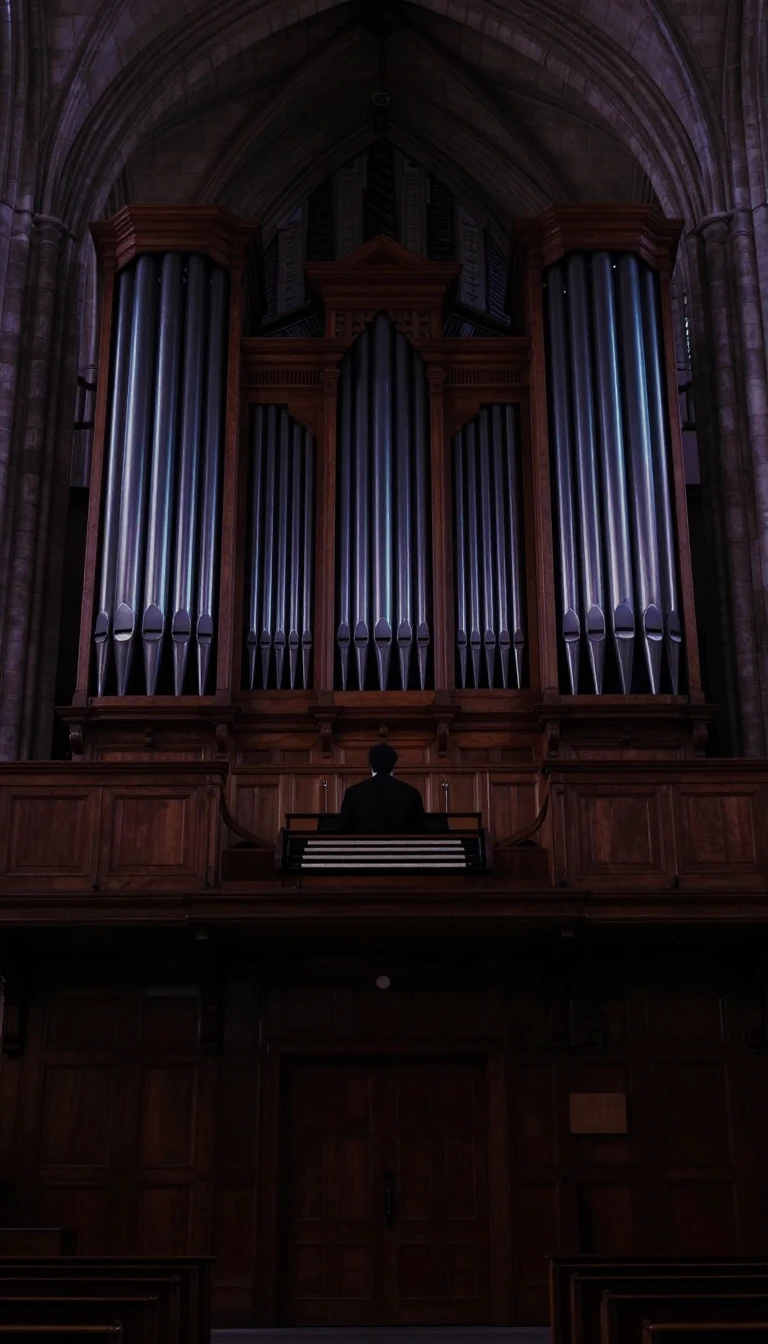
In short: Before the Baroque era fully bloomed, one Italian organist redefined how keyboard instruments were played. By championing idiomatic textures over vocal transcriptions and providing radical performance instructions, Girolamo Frescobaldi bridged the gap between Renaissance counterpoint and the emotive, monothematic structures that would eventually influence masters like Johann Sebastian Bach.
Born in Ferrara in 1583, Girolamo Frescobaldi emerged as a child prodigy who would become one of the most influential figures in keyboard history. His career was anchored in Rome, where he served as the organist at St. Peter’s Basilica for most of his life, beginning in 1608. Beyond his liturgical duties, his instrumental output—ranging from toccatas and ricercari to canzoni—marked a pivotal shift in musical composition. He moved away from the common practice of transcribing vocal music, instead developing a distinct keyboard style characterized by bold chromaticism and free, inventive figuration.
Frescobaldi’s legacy is preserved not just in his notes, but in his detailed prefaces, which offer a rare window into 17th-century performance practice. He encouraged players to treat his scores with flexibility, suggesting they could select specific sections of a piece rather than playing them in their entirety. He also provided precise technical guidance, such as advising performers to play opening passages slowly to build animation and to execute trills rapidly while keeping other melodic lines expressive. These instructions signaled a departure from the rigid, note-against-note playing styles of the past.
His influence extended far beyond Italy, notably shaping the German Baroque school through his pupil J.J. Froberger. Frescobaldi’s work, particularly his 1635 collection Fiori musicali, served as a model for strict counterpoint for centuries. By pioneering monothematic writing—where a single theme is developed throughout a piece—he replaced the disjointed, multi-thematic structures of earlier ricercars. This logical, effective construction, combined with his dramatic flair, helped transition chamber music toward the trio sonata, cementing his status as a foundational architect of the Western musical tradition.
Opens the Intellect+ feed with this card first. Swipe up for the next one.
Sources
- Summary by Intellect · source: Girolamo Frescobaldi | Baroque Composer, Organist, Harpsichordist | Britannica
- Also: Girolamo Frescobaldi
To cite this card, link to https://intellectplus.co.uk/app/music-girolamo-frescobaldi.
How we source, check and correct cards: Editorial standards.
General information, not professional advice. Spotted an error? Flag the card or see corrections and complaints.
Intellect Plus is a visual educational discovery platform for exploring fascinating facts and ideas. Brain Food, Not Brain Rot. What is Intellect Plus?
Related
More in Musicians and composers · More in Music · Latest · A–Z · All topics
