Did a deal with the devil inspire the most famous violin sonata in history?
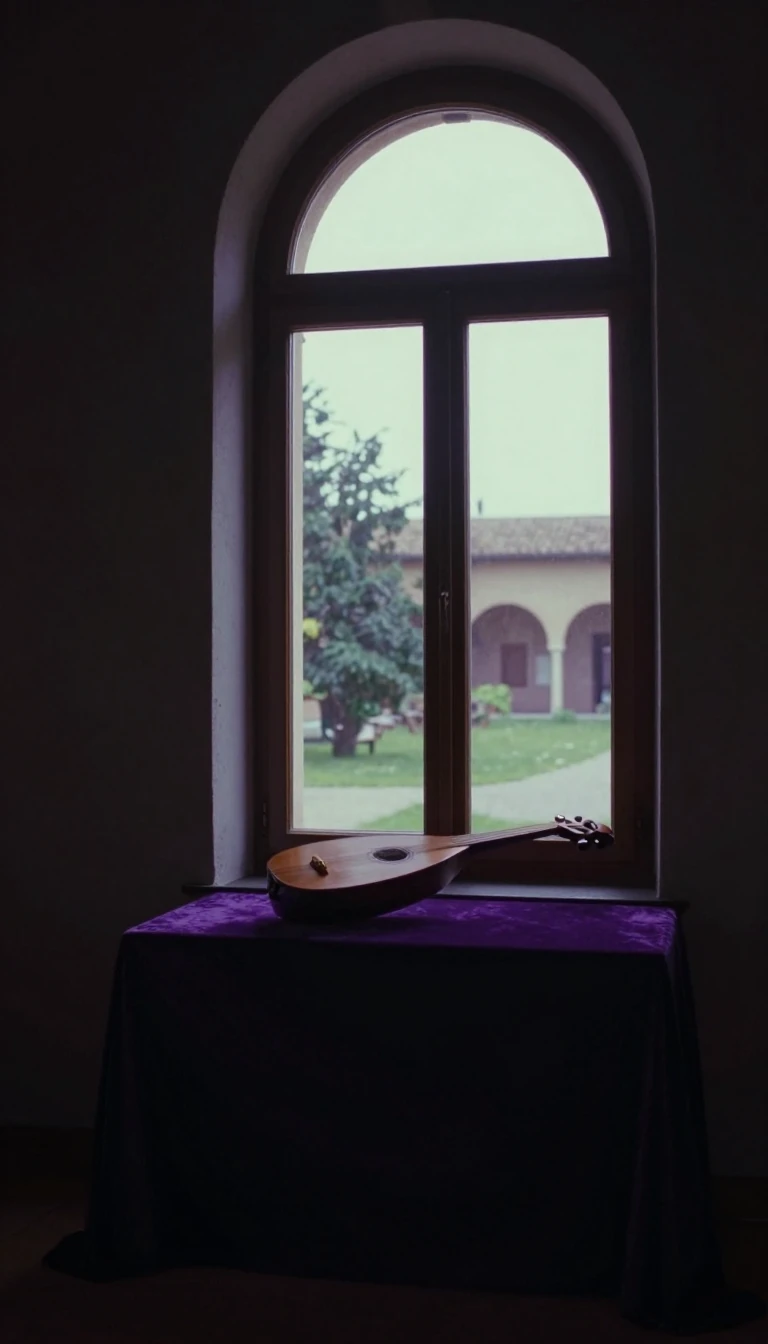
In short: Giuseppe Tartini, an 18th-century virtuoso, claimed his masterpiece, the Devil's Trill Sonata, was born from a dream where Satan played the violin at his bedside. While the legend fueled his fame, Tartini was also a rigorous scientist who discovered acoustical phenomena that remain essential to modern string performance today.
Born in 1692 in the Republic of Venice, Giuseppe Tartini was originally destined for the clergy before pursuing law and fencing. His life took a dramatic turn in 1710 when he eloped with Elisabetta Premazore, a woman of lower social standing. Facing legal charges for abduction, he sought sanctuary in a monastery in Assisi. It was there, hidden away from his pursuers, that he refined his violin technique, eventually becoming a celebrated performer and the director of music at the Basilica di Sant'Antonio in Padua by 1721.
Tartini’s most enduring legacy is the Devil's Trill Sonata, a work renowned for its technical difficulty, particularly its demanding double-stop trills. The narrative of its infernal origin—which Tartini himself helped propagate—became a staple of musical folklore. This myth of a diabolical pact, later mirrored in stories about Niccolò Paganini, cemented Tartini's reputation as a performer of almost supernatural ability, earning him the title of Master of Nations in his home country.
Beyond the legends, Tartini was a dedicated theorist who sought to ground music in mathematics. He famously discovered sum and difference tones, known as the terzo suono, which allowed violinists to judge the accuracy of their intonation by listening for these acoustic phenomena. He published his findings in his 1754 treatise, Trattato di musica secondo la vera scienza dell'armonia. While his manuscripts were notoriously difficult to date due to his habit of revising works throughout his life, his contributions to ornamentation and bowing technique have provided invaluable insights for historically informed performances in the modern era.
Opens the Intellect+ feed with this card first. Swipe up for the next one.
Sources
- Summary by Intellect · source: Giuseppe Tartini
To cite this card, link to https://intellectplus.co.uk/app/music-giuseppe-tartini.
How we source, check and correct cards: Editorial standards.
General information, not professional advice. Spotted an error? Flag the card or see corrections and complaints.
Intellect Plus is a visual educational discovery platform for exploring fascinating facts and ideas. Brain Food, Not Brain Rot. What is Intellect Plus?
Related
More in Musicians and composers · More in Music · Latest · A–Z · All topics
