How a makeshift cello and a cattle train escape shaped a musical legend
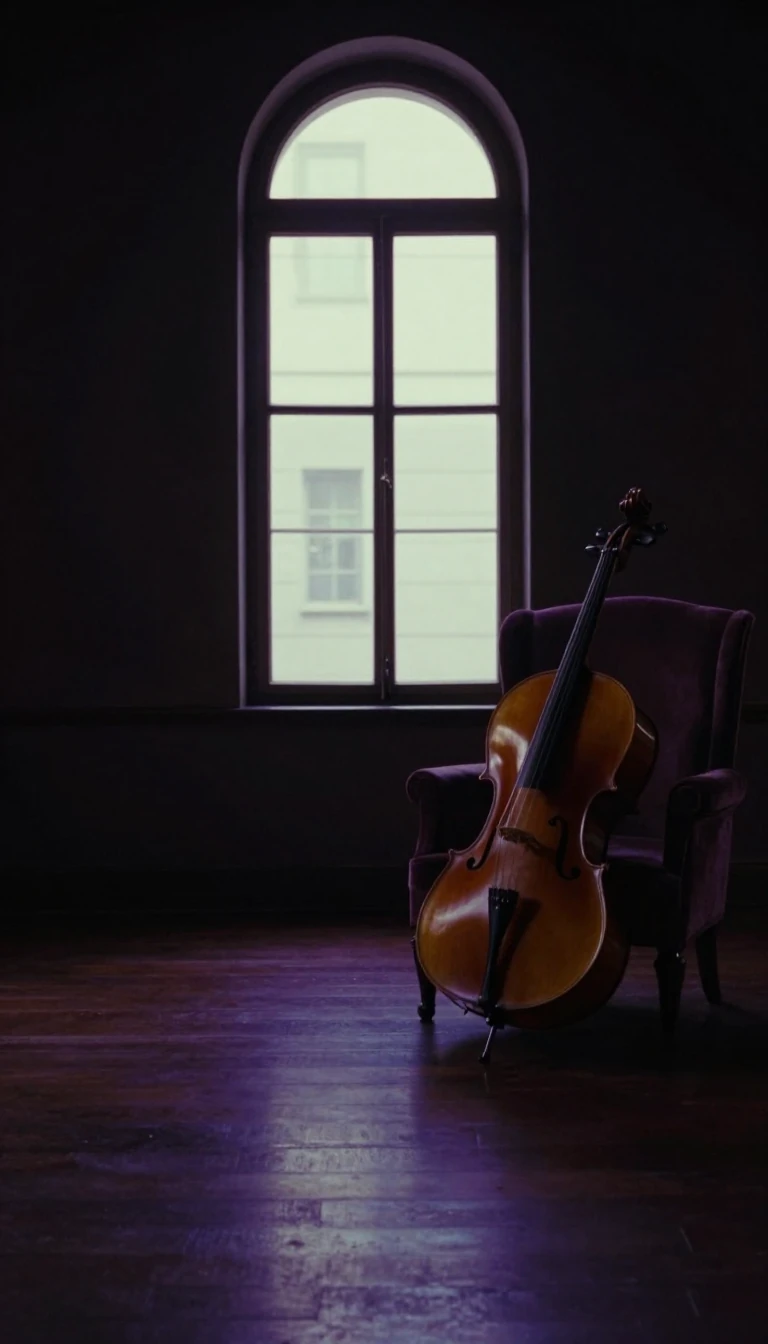
In short: Before he was a world-renowned virtuoso, Gregor Piatigorsky was a child playing a homemade instrument made of sticks. His journey from the Soviet Union to the heights of American classical music was marked by daring escapes, high-stakes artistry, and a dramatic musical style inspired by opera.
Born in Ukraine in 1903, Piatigorsky’s early life was defined by both immense talent and survival. As a young student in Moscow, he supported his family by performing in diverse settings, ranging from silent film accompaniment to local cafes. His path to international stardom was nearly blocked by Soviet restrictions on travel, forcing him to smuggle himself and his cello across the border into Poland via a cattle train alongside a group of fellow artists.
This period of upheaval helped forge his unique artistic identity. Piatigorsky developed a signature sound characterized by an intense, rapid vibrato and precise articulation. He famously sought to infuse his playing with the theatricality of the Russian bass Feodor Chaliapin, after a sharp exchange with the singer inspired him to bridge the gap between singing and dramatic declamation. This expressive power earned him the respect of legends like Richard Strauss, who once remarked that Piatigorsky’s performance perfectly realized his vision for Don Quixote.
In the United States, Piatigorsky became a central figure in the 20th-century musical landscape. He was a member of the celebrated 'Million Dollar Trio' alongside Jascha Heifetz and Arthur Rubinstein, and his influence extended to composition, notably through his 1946 Variations on a Paganini Theme. Beyond the concert hall, he was a patron of the arts, helping to fund international chess tournaments in Los Angeles. His legacy lives on through the Piatigorsky Chair of Violoncello at the University of Southern California and the preservation of his archives at the Colburn School.
Opens the Intellect+ feed with this card first. Swipe up for the next one.
Sources
- Summary by Intellect · source: Gregor Piatigorsky
To cite this card, link to https://intellectplus.co.uk/app/music-gregor-piatigorsky.
How we source, check and correct cards: Editorial standards.
General information, not professional advice. Spotted an error? Flag the card or see corrections and complaints.
Intellect Plus is a visual educational discovery platform for exploring fascinating facts and ideas. Brain Food, Not Brain Rot. What is Intellect Plus?
Related
More in Musicians and composers · More in Music · Latest · A–Z · All topics
