From forced labor to global stages: the extraordinary life of pianist György Cziffra
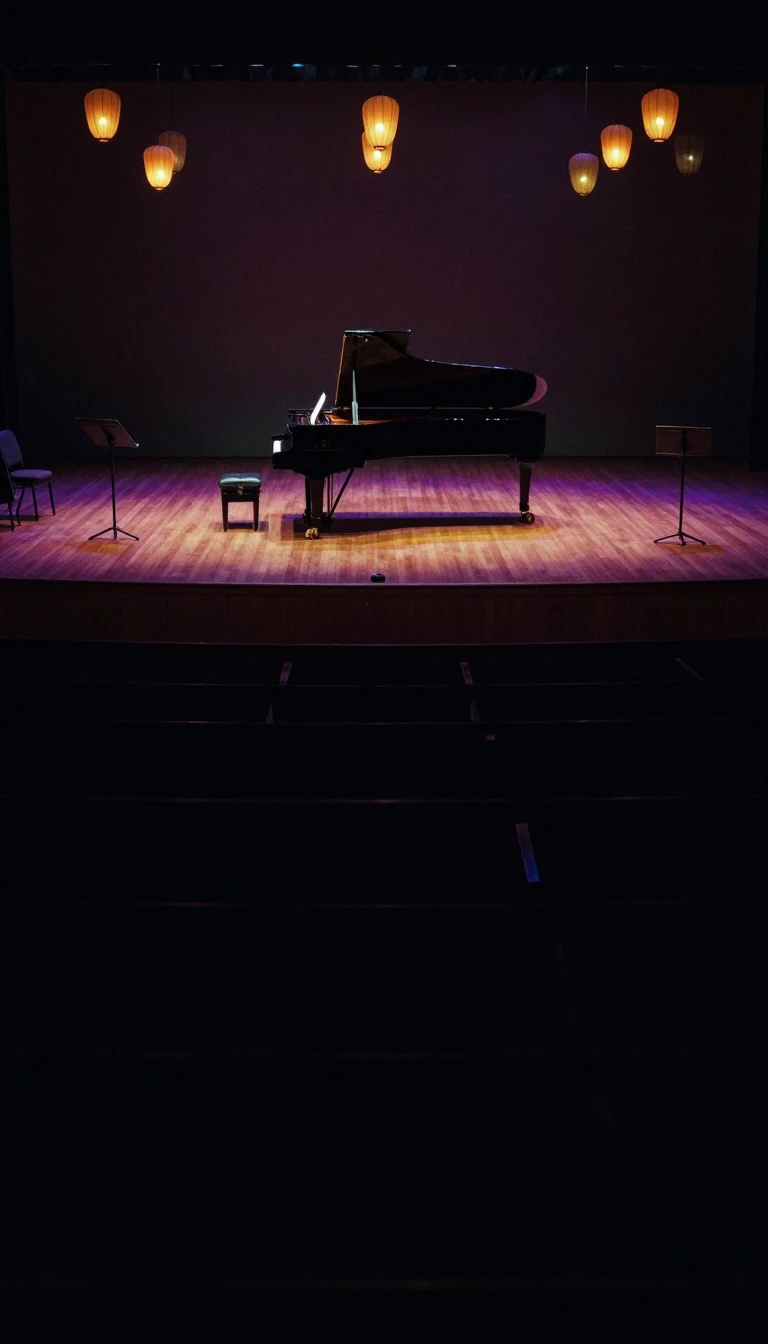
In short: Born into poverty, György Cziffra survived war, imprisonment, and brutal hard labor to become one of the twentieth century's most formidable virtuosos. His life was defined by both immense musical genius and profound personal tragedy, leaving behind a legacy of technically demanding arrangements and a foundation dedicated to young artists.
Born in Budapest in 1921 to a Romani family, György Cziffra’s early musical education was unconventional. He learned to play by mimicking his sister and improvising on tunes sung by his parents, eventually performing in circuses as a child. While he later claimed to have studied under masters like Ernő Dohnányi at the Franz Liszt Academy, modern research by Máté Cselényi has questioned the extent of these associations. His early career was interrupted by the Second World War, during which he was conscripted into the Hungarian Army and captured as a prisoner of war on the Russian front.
The post-war years brought further hardship. After attempting to flee Hungary in 1950, Cziffra was imprisoned and subjected to three years of hard labor. During this time, he was forced to carry 130-pound loads of concrete up six flights of stairs, an ordeal that permanently damaged his wrist ligaments. For the remainder of his performing career, he frequently wore a large leather wristband to support his arm. Despite these physical scars, he successfully escaped to Vienna in 1956, launching an international career that included debuts at London's Royal Festival Hall and New York's Carnegie Hall.
Cziffra became renowned for his transcriptions of works by composers like Johann Strauss II and Nikolai Rimsky-Korsakov, as well as his interpretations of Liszt and Chopin. In 1968, he became a French citizen and later established a foundation in Senlis to support young musicians. However, his life was marked by the 1981 death of his son, a professional conductor with whom he frequently performed. Following this tragedy, Cziffra ceased orchestral performances and recordings. He died in 1994 at age 72, leaving behind a complex autobiography, Cannons and Flowers, which chronicles his journey through poverty, acclaim, and personal loss.
Opens the Intellect+ feed with this card first. Swipe up for the next one.
Sources
- Summary by Intellect · source: György Cziffra
To cite this card, link to https://intellectplus.co.uk/app/music-gy-rgy-cziffra.
How we source, check and correct cards: Editorial standards.
General information, not professional advice. Spotted an error? Flag the card or see corrections and complaints.
Intellect Plus is a visual educational discovery platform for exploring fascinating facts and ideas. Brain Food, Not Brain Rot. What is Intellect Plus?
Related
More in Musicians and composers · More in Music · Latest · A–Z · All topics
