The bridge between Mozart and the Romantics was a child prodigy named Hummel
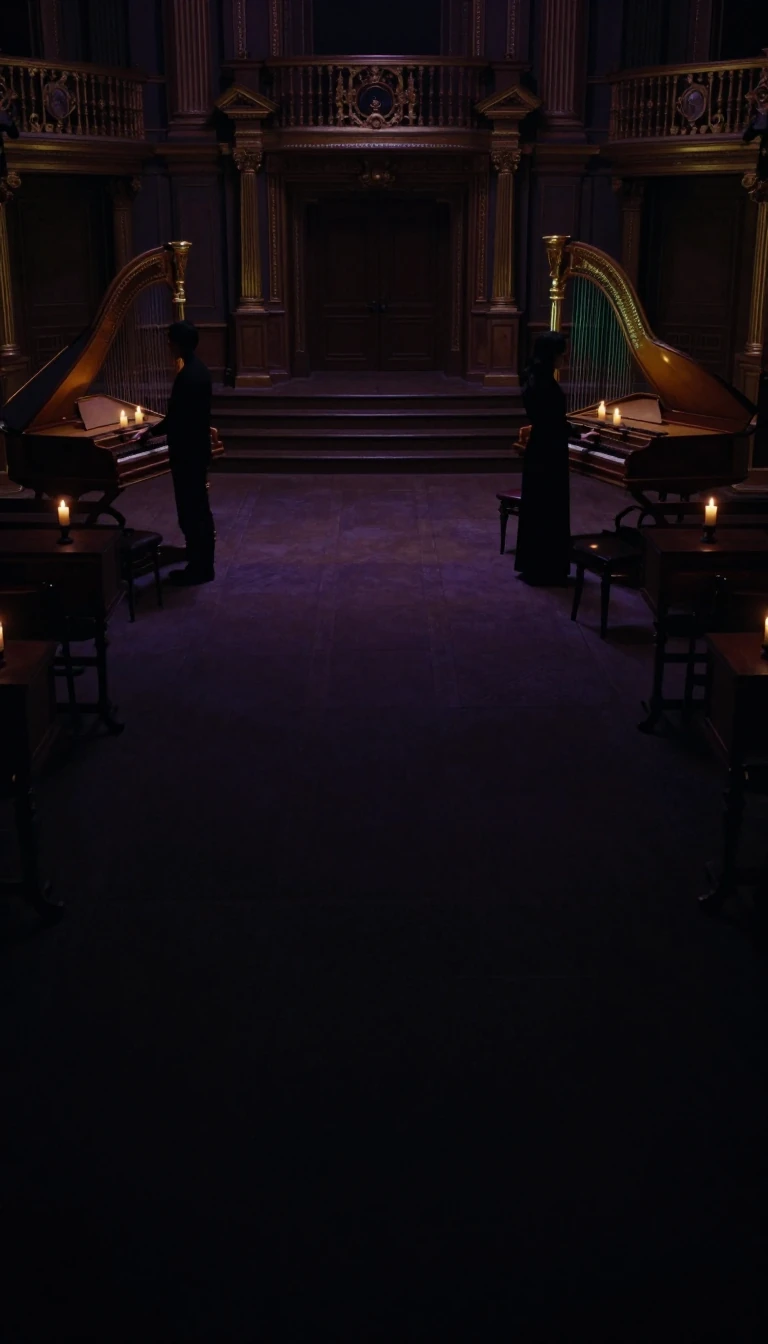
In short: Johann Nepomuk Hummel was the ultimate musical insider, living with Mozart and succeeding Haydn. A virtuoso pianist who defined the transition from Classical elegance to Romantic expression, he was a giant of his era. Yet, history often remembers him as the man who stood in Beethoven's shadow.
Born in 1778, Hummel was a true child prodigy. His talent was so evident that at age eight, he was invited to live in the Vienna home of Wolfgang Amadeus Mozart, who taught him for two years free of charge. This early immersion in the Classical tradition was followed by a rigorous education under the era's greatest masters, including Joseph Haydn, Antonio Salieri, and J.G. Albrechtsberger. By the time he reached adulthood, Hummel had toured Europe extensively, cementing his reputation as an outstanding virtuoso pianist.
Hummel’s career was defined by high-profile appointments, most notably as chapelmaster to the Esterházy family—a post previously held by Haydn—and later as chapelmaster at Weimar. His own compositions, particularly his piano trios, sonatas, and six concerti, were celebrated for their clarity, fluent texture, and innovative ornamentation. In 1828, he codified his technical expertise in his influential Klavierschule, which introduced new methods of fingering that shaped the playing styles of his contemporaries.
Despite his immense success, Hummel occupied an uneasy space in musical history. His work was often contrasted with that of his great rival, Ludwig van Beethoven. While Hummel’s music remained elegant and perfectly suited to the lighter Viennese piano action of the day, it lacked the raw emotional depth and structural coherence that defined Beethoven’s revolutionary output. The two maintained a complex, often tense friendship; Hummel even served as a pallbearer at Beethoven’s funeral.
By the end of his life in 1837, Hummel found his balanced, disciplined classicism increasingly out of step with the rising generation of tempestuous Romantic virtuosi. While his influence on the piano music of the nineteenth century remained profound, his own star began to fade. Today, he is remembered not just as a composer, but as a vital link in the evolution of Western music, bridging the gap between the structured perfection of the eighteenth century and the expressive intensity of the nineteenth.
Opens the Intellect+ feed with this card first. Swipe up for the next one.
Sources
- Summary by Intellect · source: Johann Nepomuk Hummel | Romantic, Piano, Concertos | Britannica
- Also: Johann Nepomuk Hummel
To cite this card, link to https://intellectplus.co.uk/app/music-johann-nepomuk-hummel.
How we source, check and correct cards: Editorial standards.
General information, not professional advice. Spotted an error? Flag the card or see corrections and complaints.
Intellect Plus is a visual educational discovery platform for exploring fascinating facts and ideas. Brain Food, Not Brain Rot. What is Intellect Plus?
Related
More in Musicians and composers · More in Music · Latest · A–Z · All topics
