How a classical piano prodigy became the world's highest-paid, rhinestone-encrusted pop culture superstar.
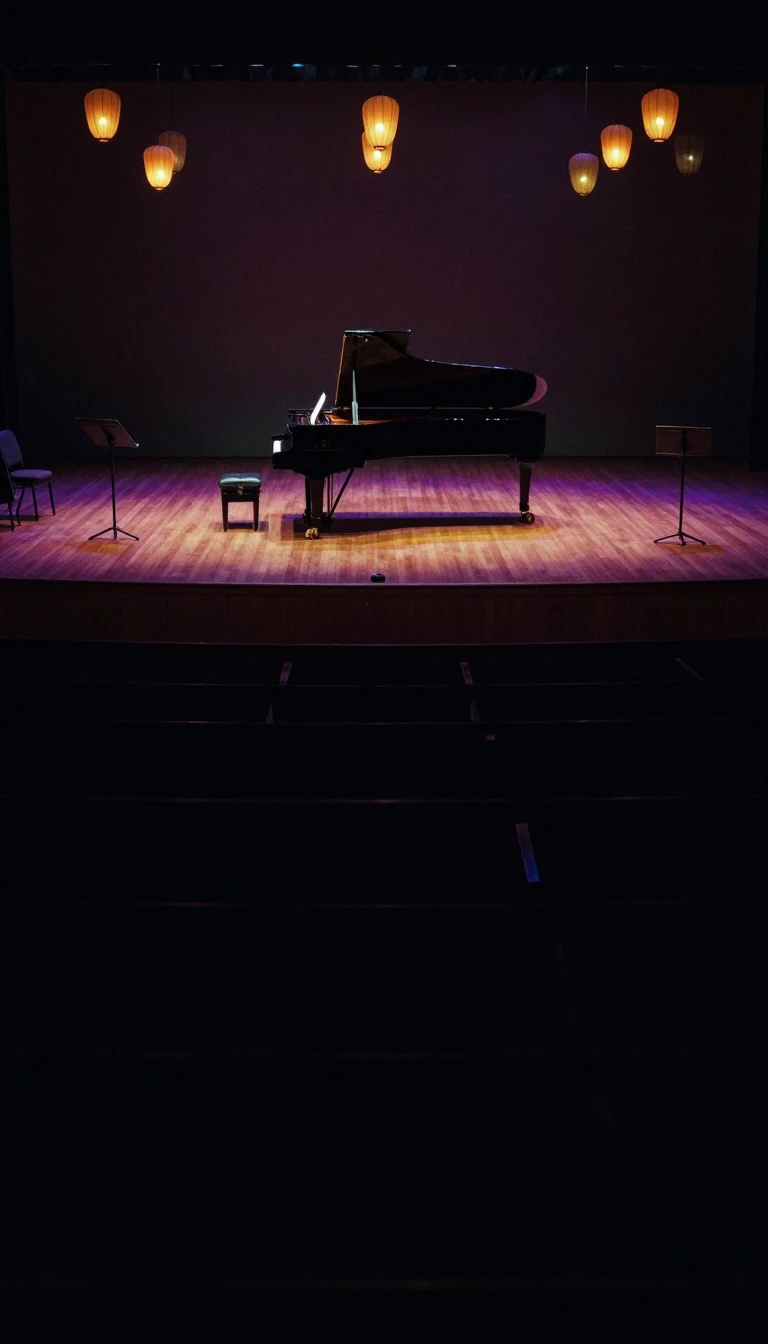
In short: Born Władziu Valentino Liberace, this Wisconsin-born pianist transformed from a serious classical musician into a global spectacle. By blending virtuosity with kitsch, he pioneered a new form of entertainment that captivated millions, redefined the Las Vegas residency, and turned his own persona into a one-man Disneyland of glitz and glamour.
Liberace’s journey began in West Allis, Wisconsin, where he was born in 1919 to Italian and Polish immigrant parents. A child prodigy, he memorized complex pieces by age seven and was mentored by the renowned Ignacy Jan Paderewski. By 1940, at age 19, he performed Liszt’s Second Piano Concerto with the Chicago Symphony Orchestra. However, finding the classical world’s competition fierce and rigid, he pivoted to a style he called 'classical music with the boring parts left out,' mixing Chopin with popular tunes to connect directly with audiences.
The 1950s marked his ascent to global superstardom. Through his syndicated television program, The Liberace Show, he pioneered 'ritualistic domesticity,' chatting with viewers as if they were in his living room. He became the highest-paid entertainer in the world, earning $50,000 per week at the Riviera in Las Vegas by 1955. His act was a masterclass in branding: he adopted a trademark candelabrum, wore extravagant costumes, and played custom-decorated pianos. While critics dismissed his technique as flashy and lacking depth, his fans adored the warmth and showmanship he exuded.
Despite his immense wealth—at one point earning $1 million annually from public appearances—his career faced turbulence. He survived a near-fatal kidney failure in 1963 and navigated constant scrutiny regarding his private life, including a 1959 libel suit against the Daily Mirror. He reinvented himself repeatedly, embracing the moniker 'Mr. Showmanship' and turning his stage presence into a spectacle involving Rolls-Royces and chorus girls. Even as he became a frequent target for comedians, his connection to his audience remained profound, with his final years defined by the same flamboyant, love-filled performances that made him a cultural icon until his death in 1987.
Opens the Intellect+ feed with this card first. Swipe up for the next one.
Sources
- Summary by Intellect · source: Liberace
To cite this card, link to https://intellectplus.co.uk/app/music-liberace.
How we source, check and correct cards: Editorial standards.
General information, not professional advice. Spotted an error? Flag the card or see corrections and complaints.
Intellect Plus is a visual educational discovery platform for exploring fascinating facts and ideas. Brain Food, Not Brain Rot. What is Intellect Plus?
Related
More in Musicians and composers · More in Music · Latest · A–Z · All topics
