The first time a single human mind unified the Mass
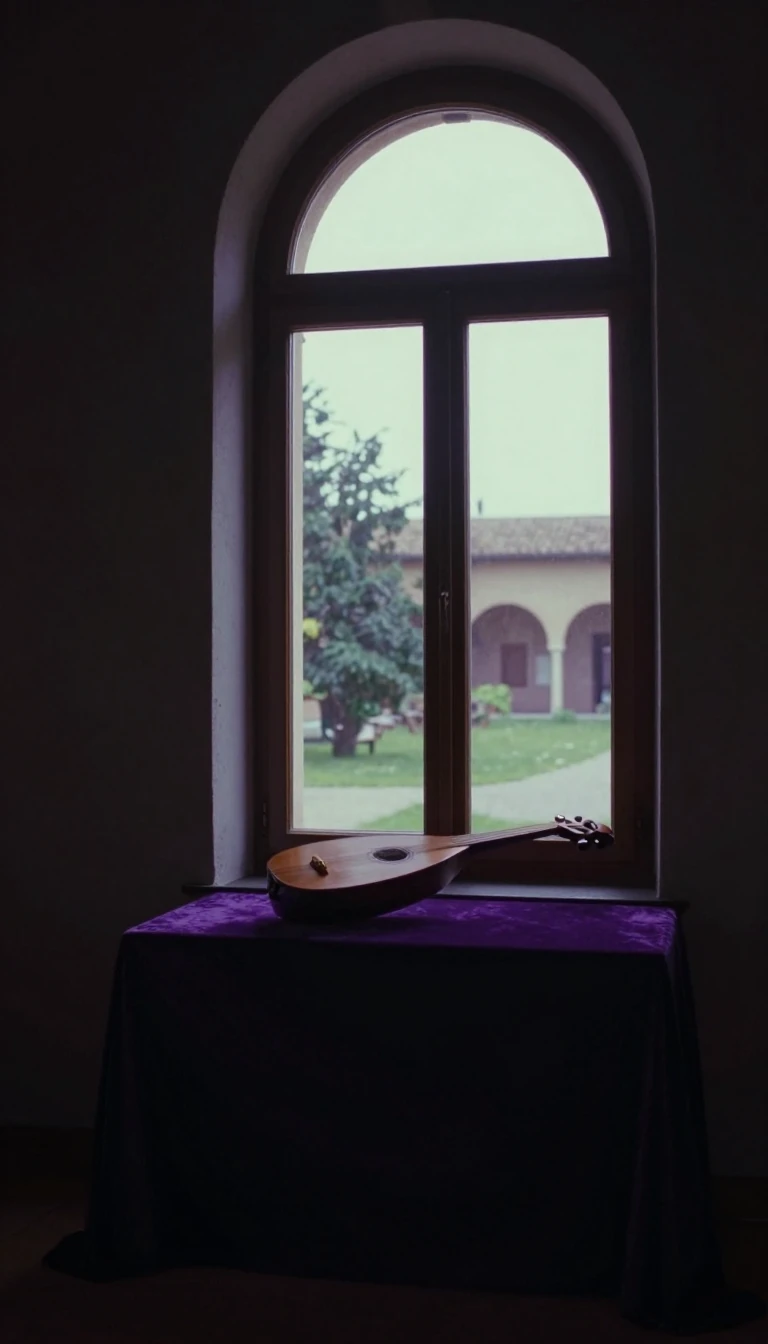
In short: Before the 14th century, religious music was often a patchwork of different composers' works stitched together. Then came Guillaume de Machaut. By composing the Messe de Nostre Dame before 1365, he achieved a radical artistic feat: creating a stylistically unified musical journey from start to finish.
The Messe de Nostre Dame represents a pivotal shift in Western music history. Prior to this work, polyphonic masses like the Tournai Mass were typically compilations where various composers contributed individual movements independently. Machaut broke this tradition by composing all six movements—the Kyrie, Gloria, Credo, Sanctus, Agnus Dei, and Ite—as a single, coherent artistic unit. This was an abstract conceptual leap that allowed for a unified musical style across the entire liturgy, influencing centuries of subsequent composition.
Technically, Machaut pushed boundaries by utilizing four voices instead of the standard three. He introduced a countertenor voice to move in the same low register as the tenor, occasionally taking over as the foundation of the piece. While some movements like the Kyrie and Sanctus are rooted in specific Vatican chants (IV and XVII respectively), others like the Gloria and Credo lack an apparent chant basis, relying instead on stylistic relationships to maintain the work's integrity.
The origins of the mass are tied to the Cathedral at Reims, where Machaut served as a canon. While tradition suggests it was written for the Saturday Lady Mass, some scholars believe he composed it in the late 1350s as a personal act of devotion upon joining the cathedral's clergy. Following his and his brother Jean's deaths, the work was intended to serve as their memorial service. Though its exact performance history remains unconfirmed, its status as a masterpiece of medieval polyphony is undisputed.
The piece has seen various interpretations since it was first recorded in 1936 by Les Paraphonistes de Saint-Jean-des-Matines. Modern listeners can experience Machaut's vision through diverse recordings from the 1950s to 2016, ranging from the Deutsche Grammophon Archiv series to contemporary interpretations by groups like Graindelavoix and Diabolus in Musica.
Opens the Intellect+ feed with this card first. Swipe up for the next one.
Sources
- Summary by Intellect · source: Messe de Nostre Dame
To cite this card, link to https://intellectplus.co.uk/app/music-messe-de-nostre-dame.
How we source, check and correct cards: Editorial standards.
General information, not professional advice. Spotted an error? Flag the card or see corrections and complaints.
Intellect Plus is a visual educational discovery platform for exploring fascinating facts and ideas. Brain Food, Not Brain Rot. What is Intellect Plus?
Related
More in Music · More in Music · Latest · A–Z · All topics
