How a French composer turned a Bach piano exercise into a global religious anthem
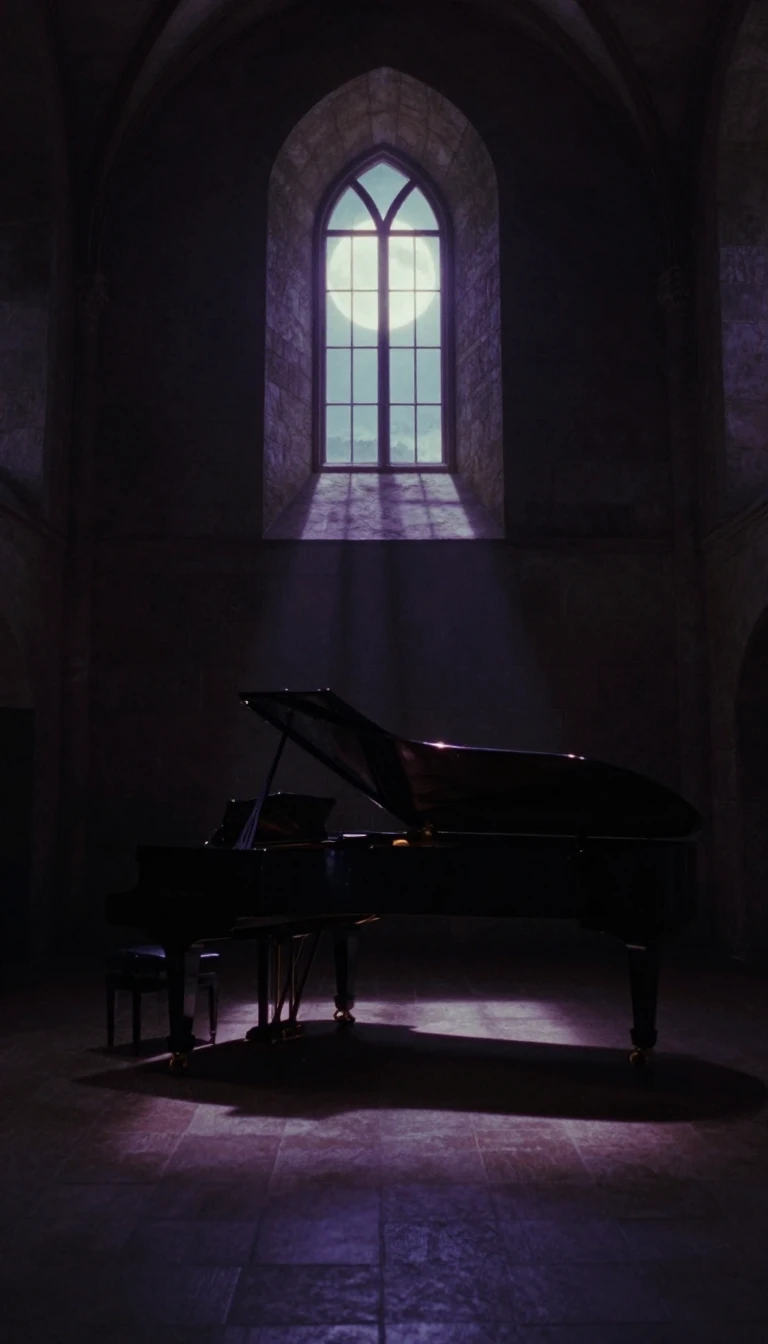
In short: The famous Bach/Gounod Ave Maria is not a traditional collaboration. In 1853, Charles Gounod improvised a melody over a Baroque piano prelude. While it began as an instrumental piece, the addition of Latin lyrics in 1859 transformed it into one of the most recognizable and enduring sacred works in history.
The composition originated from Gounod’s fascination with Johann Sebastian Bach’s Prelude No. 1 in C major, written in 1722. Gounod took this study of broken chords and layered his own melody atop it. The initial 1853 publication, titled as a meditation on the prelude, featured the melody for solo violin. Interestingly, the version of the Bach score Gounod utilized contained the so-called Schwencke measure, an extra bar inserted after the 22nd measure by Christian Friedrich Gottlieb Schwencke. This addition was intended to fix a progression that Schwencke deemed faulty, though modern musicology recognizes such progressions as standard for Bach.
The evolution of the piece from a secular instrumental work to a liturgical staple was gradual. Pierre-Joseph-Guillaume Zimmerman, Gounod’s father-in-law, transcribed the original improvisation and arranged it for violin or cello with piano and harmonium. In its first year, it was paired with the text of a poem by Alphonse de Lamartine. It was not until 1859 that Jacques-Léopold Heugel published the version featuring the Latin prayer that solidified its place in religious and ceremonial settings, including funerals, weddings, and quinceañeras.
Throughout the 20th century, the piece became a canvas for diverse interpretations. It has been recorded by opera legends like Luciano Pavarotti and Franco Corelli, and even by Alessandro Moreschi, one of the final castrato singers, in the early 1900s. Its reach extends far beyond classical music, appearing in the 2017 film The Square, the 2009 Disney film A Christmas Carol, and even as a synthpop cover by Erasure in 2003. Whether performed by a choir or as a solo instrumental, the work remains a testament to the enduring power of Gounod’s melodic overlay on Bach’s foundational harmonic structure.
Opens the Intellect+ feed with this card first. Swipe up for the next one.
Sources
- Summary by Intellect · source: Ave Maria (Bach/Gounod)
To cite this card, link to https://intellectplus.co.uk/app/music-ave-maria-bach-gounod.
How we source, check and correct cards: Editorial standards.
General information, not professional advice. Spotted an error? Flag the card or see corrections and complaints.
Intellect Plus is a visual educational discovery platform for exploring fascinating facts and ideas. Brain Food, Not Brain Rot. What is Intellect Plus?
Related
More in Music · More in Music · Latest · A–Z · All topics
