How a pampered, hypochondriac aristocrat became the father of Russian classical music
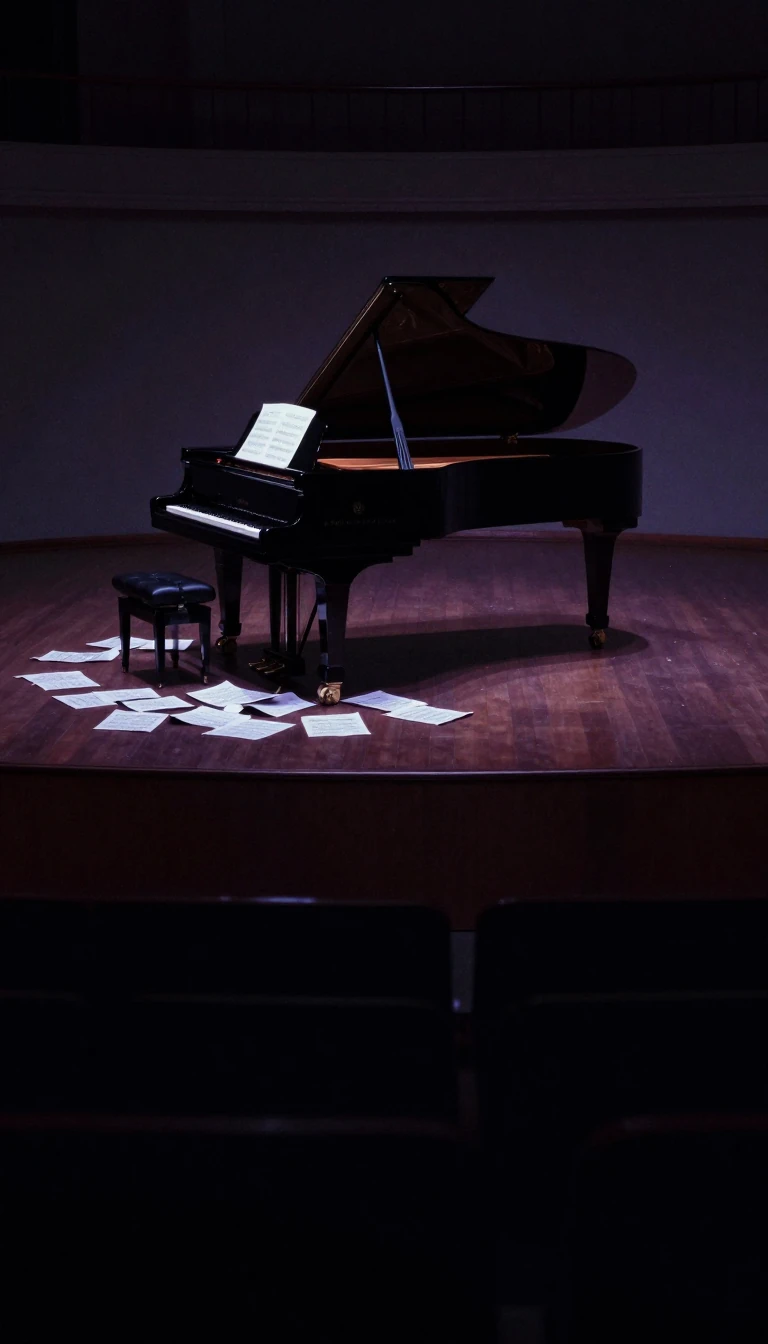
In short: Raised in a room kept at a constant 25 degrees Celsius, Mikhail Glinka grew into a sheltered, sickly man. Yet, this unlikely figure broke from Western musical traditions to forge a distinct Russian sound, influencing generations of composers and even providing the theme for a modern American television comedy.
Born in 1804 to a wealthy family in the Smolensk Governorate, Glinka spent his youth in near-total isolation. His grandmother, who raised him, kept him in a sweltering room, shielding him from the outside world. His only exposure to music came from the dissonant ringing of village church bells and the improvised, 'under the voice' harmonies of peasant choirs. These early experiences, far removed from the structured progressions of Western classical music, would later define his unique approach to composition.
Glinka’s formal musical education was sporadic, including brief lessons from Irish composer John Field in Saint Petersburg. However, his true artistic awakening occurred during a trip to Italy in 1830. Disenchanted by the Italian style, he resolved to return to Russia and create music that reflected his own national identity. This mission culminated in his first major opera, 'A Life for the Tsar' (1836), which depicted a peasant hero sacrificing himself for the monarch. The work was a triumph, earning him favor with Tsar Nicholas I.
His second opera, 'Ruslan and Lyudmila' (1842), was more musically sophisticated but initially received a cool reception. Despite its chaotic plot, the work showcased Glinka’s mastery of integrating folk melodies into complex orchestral textures. Pyotr Ilyich Tchaikovsky later famously described Glinka’s symphonic poem 'Kamarinskaya' (1848) as the 'acorn' from which all subsequent Russian symphonic music grew. Glinka’s legacy remains profound, though complex; while his music is celebrated globally, his reputation has faced modern scrutiny, leading to the cancellation of street renamings in Berlin due to allegations of antisemitism.
Today, Glinka is remembered as the fountainhead of a new, realistic direction in Russian music. His influence extended through 'The Five' and beyond, shaping the development of a national artistic style. Beyond the concert hall, his work has permeated modern culture, from the overture of 'Ruslan and Lyudmila' serving as the theme for the U.S. sitcom 'Mom' to the naming of a minor planet in his honor.
Opens the Intellect+ feed with this card first. Swipe up for the next one.
Sources
- Summary by Intellect · source: Mikhail Glinka
To cite this card, link to https://intellectplus.co.uk/app/music-mikhail-glinka.
How we source, check and correct cards: Editorial standards.
General information, not professional advice. Spotted an error? Flag the card or see corrections and complaints.
Intellect Plus is a visual educational discovery platform for exploring fascinating facts and ideas. Brain Food, Not Brain Rot. What is Intellect Plus?
Related
More in Musicians and composers · More in Music · Latest · A–Z · All topics
