Milton Babbitt and the pursuit of music as a rigorous, specialized research discipline
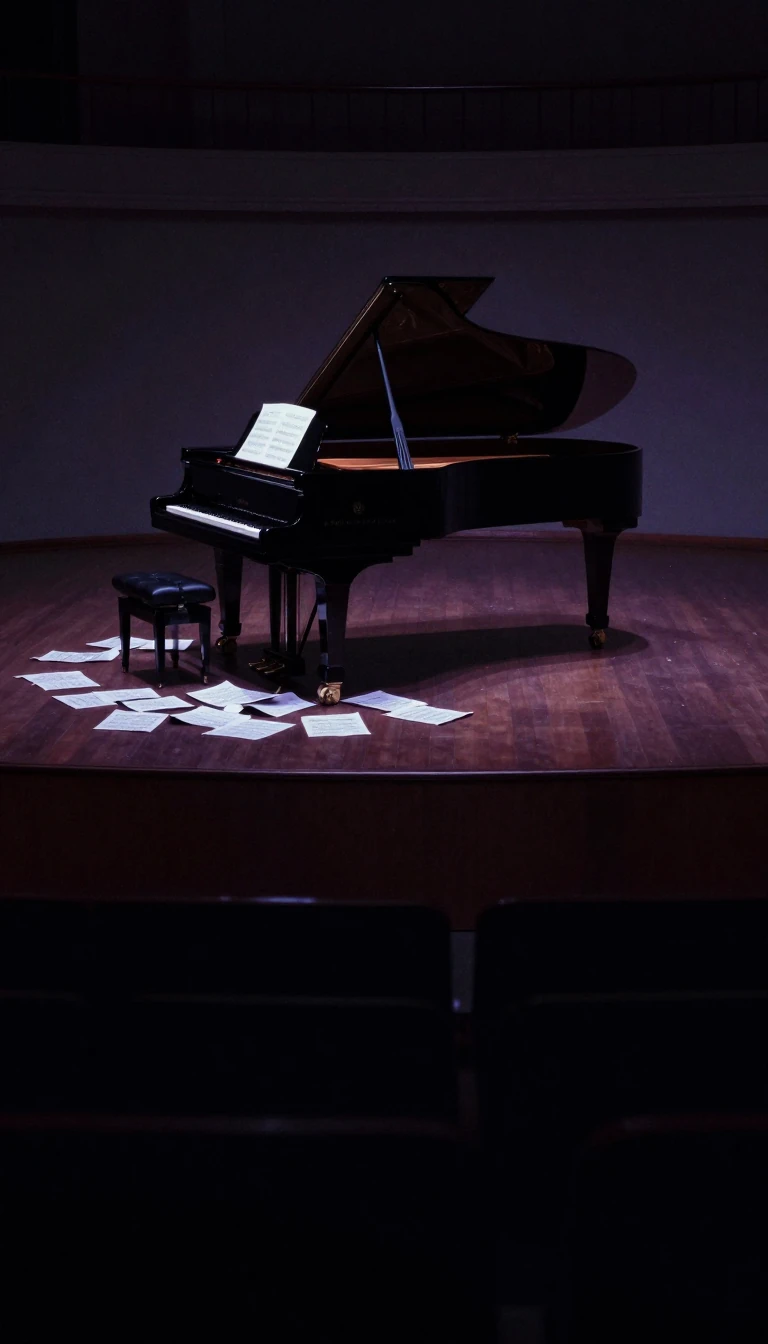
In short: Milton Babbitt was a pioneer of total serialism, a method that applied mathematical precision to every element of a composition, including rhythm and timbre. Though often misunderstood as an elitist, Babbitt viewed his complex, atonal works as a serious intellectual tradition, demanding the same rigor as physics or philosophy.
Born in 1916, Milton Babbitt was a polymath who balanced a deep love for jazz with an academic career in mathematics and music theory. His compositional philosophy was rooted in the Second Viennese School, particularly the twelve-tone techniques of Arnold Schoenberg. Babbitt expanded these ideas into 'total serialism,' a system where not just pitch, but duration, dynamics, and register were strictly organized through prior arrangements. This approach allowed him to achieve a level of control that he felt was essential for the evolution of the art form.
Babbitt’s work with electronic music, particularly at the Columbia-Princeton Electronic Music Center, was driven by this same desire for precision. Using the RCA Mark II Synthesizer, he sought to master rhythmic exactitude rather than merely generate novel sounds. Pieces like 'Composition for Synthesizer' (1961) and 'Philomel' (1964) exemplify his ability to integrate technology with acoustic performance. Despite the technical density of his output, critics like Alex Ross noted that his music could 'shuffle and shimmy' with an energy reminiscent of jazz, suggesting a hidden, kinetic life beneath the complex structures.
The composer’s public reputation was famously complicated by a 1958 magazine article titled 'Who Cares if You Listen?'—a provocative headline added by an editor without Babbitt’s consent. The title haunted him for decades, cementing a perception of him as indifferent to his audience. In reality, Babbitt argued that advanced music required specialized background and effort, much like advanced mathematics. He remained unapologetic about the difficulty of his work, maintaining that composition should be treated as a form of research, yet he later clarified that he did indeed care deeply if people listened, as music requires an audience to persist.
Opens the Intellect+ feed with this card first. Swipe up for the next one.
Sources
- Summary by Intellect · source: Milton Babbitt | American Composer & Serialism Pioneer | Britannica
- Also: Milton Babbitt
To cite this card, link to https://intellectplus.co.uk/app/music-milton-babbitt.
How we source, check and correct cards: Editorial standards.
General information, not professional advice. Spotted an error? Flag the card or see corrections and complaints.
Intellect Plus is a visual educational discovery platform for exploring fascinating facts and ideas. Brain Food, Not Brain Rot. What is Intellect Plus?
Related
More in Musicians and composers · More in Music · Latest · A–Z · All topics
