Can a simple sequence of letters actually train your intelligence?
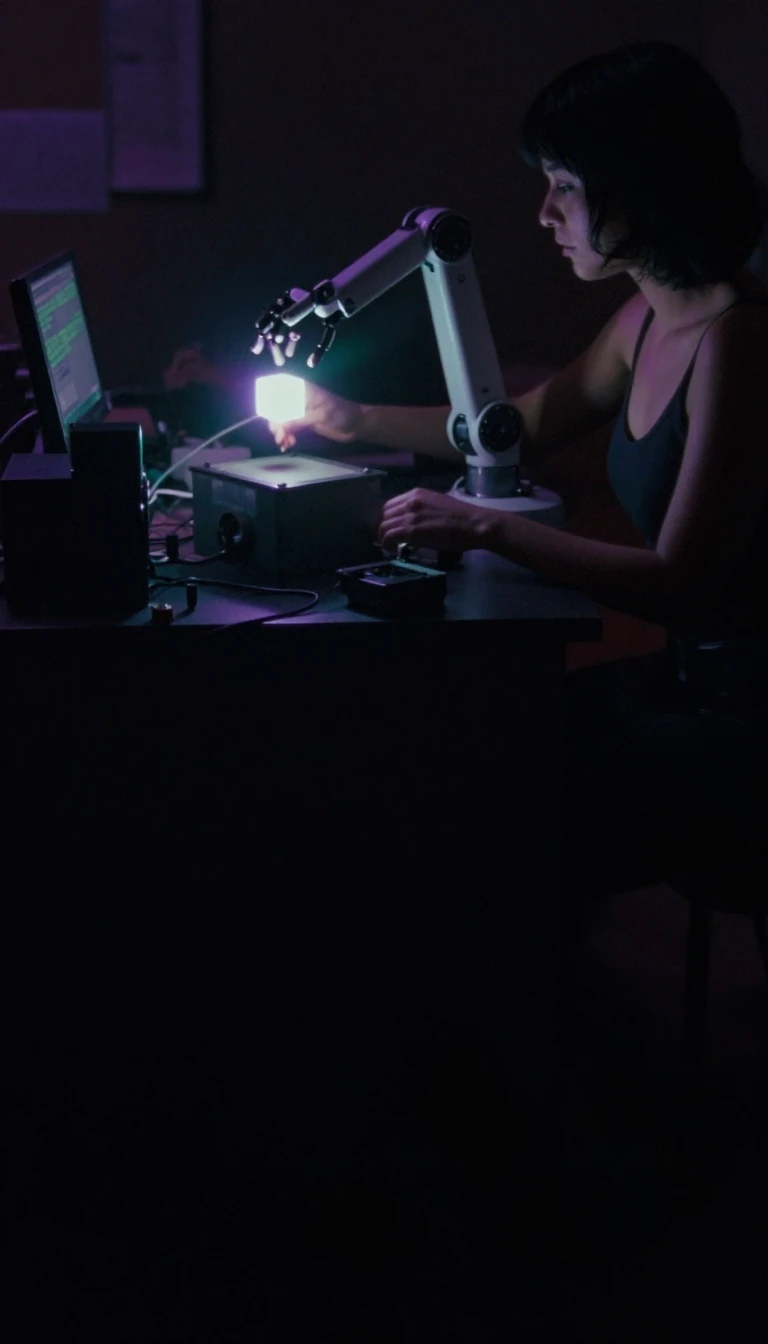
In short: The n-back task asks you to spot a pattern from exactly n steps ago. While many use it as a mental gym to boost fluid intelligence, the scientific reality is far more nuanced, involving complex brain networks and significant debate over what is actually being measured.
Introduced by Wayne Kirchner in 1958, the n-back task is a cornerstone of cognitive neuroscience used to study working memory. The mechanism is deceptively simple: participants monitor a stream of stimuli—such as letters or positions—and must signal when the current item matches the one presented n trials earlier. As the 'n' increases, the task shifts from simple maintenance to a complex process of updating, maintaining, and exercising attentional control. The dual-task variation, introduced by Susanne Jaeggi in 2003, further complicates this by presenting two independent sequences, such as auditory and visual, simultaneously.
Neuroimaging shows that this process activates specific networks, including the dorsolateral prefrontal cortex (dlPFC), the parietal cortex, and the supplementary motor area. Interestingly, the brain's response varies by stimulus type; verbal tasks engage the left ventrolateral prefrontal and posterior parietal lobes, while nonverbal tasks rely more on the right dlPFC. In children, the pattern shifts toward more posterior cortex activation and less prefrontal reliance compared to adults. In clinical populations, such as those with major depressive disorder, researchers have observed significant decreases in accuracy during higher complexity levels like the 2-back or 3-back tasks. Additionally, patients with depression often exhibit prolonged reaction times across all task complexities, a phenomenon indicative of widespread psychomotor retardation.
The task's utility as a 'brain trainer' remains a subject of intense scrutiny. While some meta-analyses suggest medium transfer effects to untrained n-back versions and small effects on fluid intelligence, others highlight significant inconsistencies. Critics point to 'construct validity' issues, suggesting that performance might rely more on recognition-based discrimination rather than the active recall required by other memory assessments. Furthermore, researchers note that factors like mental fatigue and the difficulty of focus switching—rather than just memory load—can significantly impact performance, particularly in older adults. The debate extends to how the task compares to other metrics; studies show that n-back tasks and complex span tasks cannot be used interchangeably. Some researchers even suggest that the task's effectiveness is limited by task heterogeneity and multi-process interference.
Opens the Intellect+ feed with this card first. Swipe up for the next one.
Sources
- Summary by Intellect · source: Exploring the n-back task: insights, applications, and future directions
- Also: N-back
To cite this card, link to https://intellectplus.co.uk/app/music-n-back.
How we source, check and correct cards: Editorial standards.
General information, not professional advice. Spotted an error? Flag the card or see corrections and complaints.
Intellect Plus is a visual educational discovery platform for exploring fascinating facts and ideas. Brain Food, Not Brain Rot. What is Intellect Plus?
Related
More in Memory · More in Music · Latest · A–Z · All topics
