Before gravity was math, it was the highest power of natural science
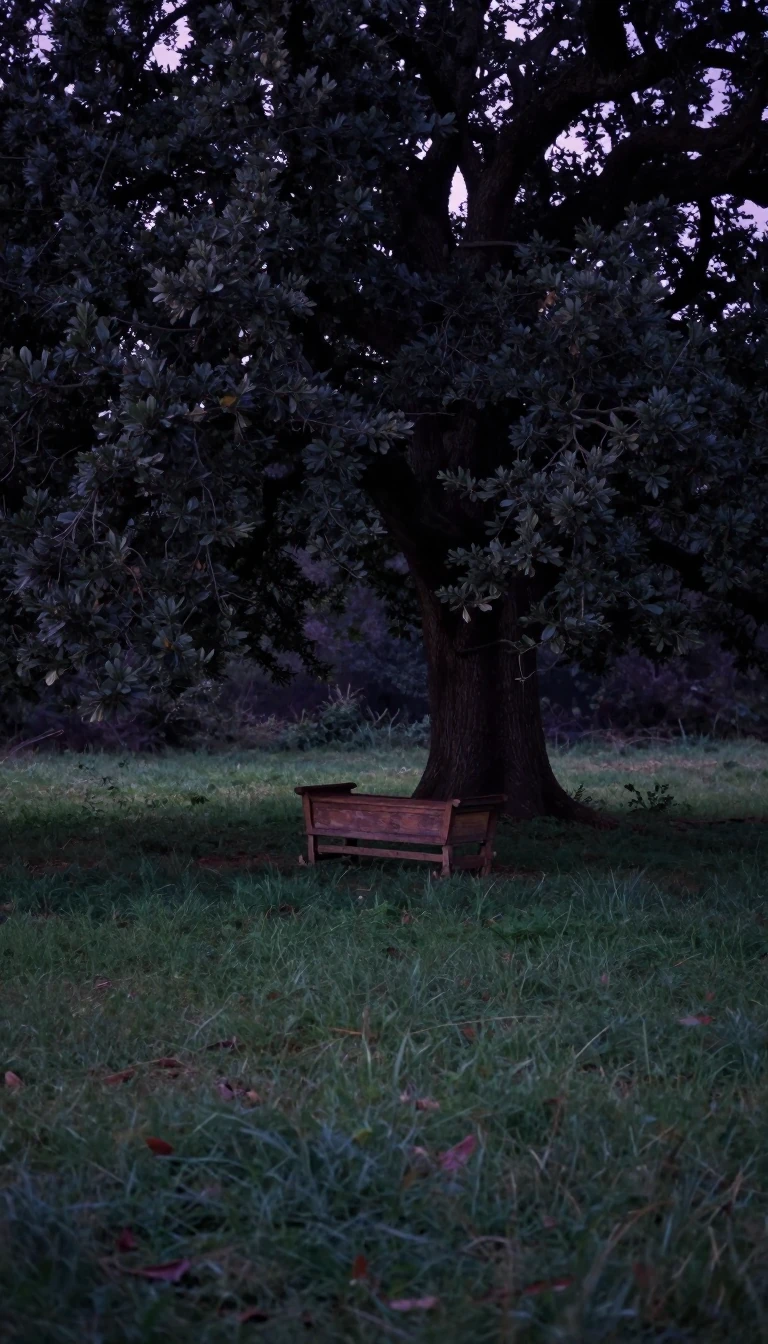
In short: In the Renaissance, the line between a laboratory and a ritual circle didn't exist. Scholars believed nature possessed 'occult properties'—hidden mechanisms that could be mastered by those with enough wisdom. This wasn't just superstition; it was the precursor to modern physics.
Natural magic is defined as the manipulation of hidden, or "occult," mechanisms within the natural world. Unlike ceremonial magic, which focuses on summoning spirits, natural magic relies on physical substances like herbs and stones. During the Medieval era, theologians viewed these properties as operating within the realm of divinity. Because these forces could not be explained through rational knowledge at the time, they were categorized as occult properties—the unseen rules governing reality.
By the Renaissance, thinkers like Giovanni Pico della Mirandola argued that natural magic was actually the "practical part of natural science" and was entirely lawful. This tradition integrated astrology, alchemy, botany, and chemistry. Figures such as John Dee used alchemy to attempt to transition base metals into gold while using horoscopes to guide political and scientific decisions. For these thinkers, nature wasn't a collection of dead objects but a spiritual system that could be perfected through the understanding of names, symbols, and celestial influences.
This worldview eventually paved the way for the Scientific Revolution. As science modernized in the 17th century, "occult properties" were rebranded as mathematical forces. Phenomena like light and gravity, once seen as mysterious magical forces, became quantifiable rays and interactions. The notion of a "force at a distance" underpinned Isaac Newton's gravity theory, reflecting previous ideas concerning natural magic. While the mysticism faded, the underlying pursuit of hidden interactions remains a cornerstone of modern physics.
The tradition highlights a profound shift in human thought: the transition from seeing nature as an enchanted mystery to a mechanical certainty. It suggests that our current scientific framework didn't emerge from a vacuum but was built upon a foundation of "natural magic"—the persistent human desire to uncover and utilize the invisible principles governing our world.
Opens the Intellect+ feed with this card first. Swipe up for the next one.
Sources
- Summary by Intellect · source: Natural magic
- Also: press.princeton.edu — Natural Magic
- Also: magic.defra.gov.uk — MAGIC
To cite this card, link to https://intellectplus.co.uk/app/music-natural-magic.
How we source, check and correct cards: Editorial standards.
General information, not professional advice. Spotted an error? Flag the card or see corrections and complaints.
Intellect Plus is a visual educational discovery platform for exploring fascinating facts and ideas. Brain Food, Not Brain Rot. What is Intellect Plus?
Related
More in Renaissance · More in Music · Latest · A–Z · All topics
