How a self-taught pianist became the master of 20th-century orchestral color
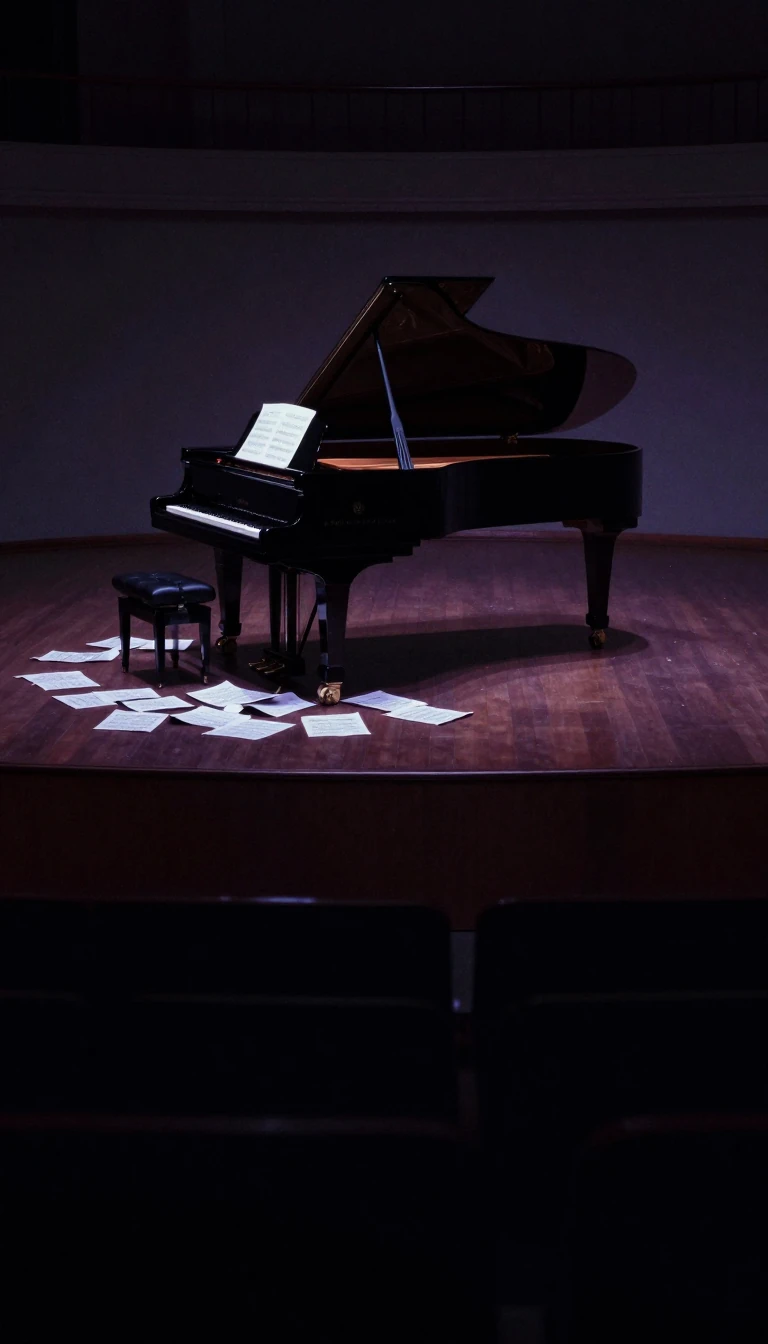
In short: Ottorino Respighi was an unlikely giant of Italian music. Despite struggling with piano scales and suffering from chronic health issues, he mastered orchestration under Nikolai Rimsky-Korsakov and defined the Roman soundscape. His journey from a reclusive student to an international icon reveals a life of intense, often hidden, creative struggle.
Born in Bologna in 1879, Respighi was a polymath who read in eleven languages and impressed Albert Einstein with his grasp of physics. Yet, his musical path was unconventional. He was a self-taught pianist who avoided scales in his own writing because he could not play them correctly, though he could teach himself the harp in mere days. His formal training at the Liceo Musicale di Bologna and later under Rimsky-Korsakov in Saint Petersburg forged a technical mastery that led his teacher, Giuseppe Martucci, to declare him a master rather than a pupil.
Respighi’s career was defined by his Roman tone poems—Fountains of Rome, Pines of Rome, and Roman Festivals—which brought him global fame. These works showcased his ability to extract the maximum sonority from an orchestra. However, his life was marked by physical and political complexity. He likely suffered from narcolepsy and maintained a neutral stance toward Mussolini’s regime, even as the government sought to exploit his music for nationalist propaganda. He used his influence to protect outspoken critics like Arturo Toscanini, demonstrating a quiet resilience amidst the era's turbulence.
His final years were shadowed by subacute bacterial endocarditis, an untreatable heart infection that claimed his life in 1936 at age 56. His wife, Elsa, became the primary guardian of his legacy, spending nearly 60 years championing his works against political shifts and critical opposition. While post-war governments distanced themselves from his association with the Fascist era, Elsa’s tireless efforts—including the establishment of the Fondo Ottorino Respighi—ensured his music survived. Today, his contributions to orchestration and his rediscovery of older Italian masters remain a cornerstone of the orchestral repertoire.
Opens the Intellect+ feed with this card first. Swipe up for the next one.
Sources
- Summary by Intellect · source: Ottorino Respighi
To cite this card, link to https://intellectplus.co.uk/app/music-ottorino-respighi.
How we source, check and correct cards: Editorial standards.
General information, not professional advice. Spotted an error? Flag the card or see corrections and complaints.
Intellect Plus is a visual educational discovery platform for exploring fascinating facts and ideas. Brain Food, Not Brain Rot. What is Intellect Plus?
Related
More in Musicians and composers · More in Music · Latest · A–Z · All topics
